
Company News
 Longxin Intelligent Lists Successfully on Beijing Stock Exchange! Dual-Driven New Development Cycle Powered by Technology Foundation & Capital EmpowermentWarm Congratulations
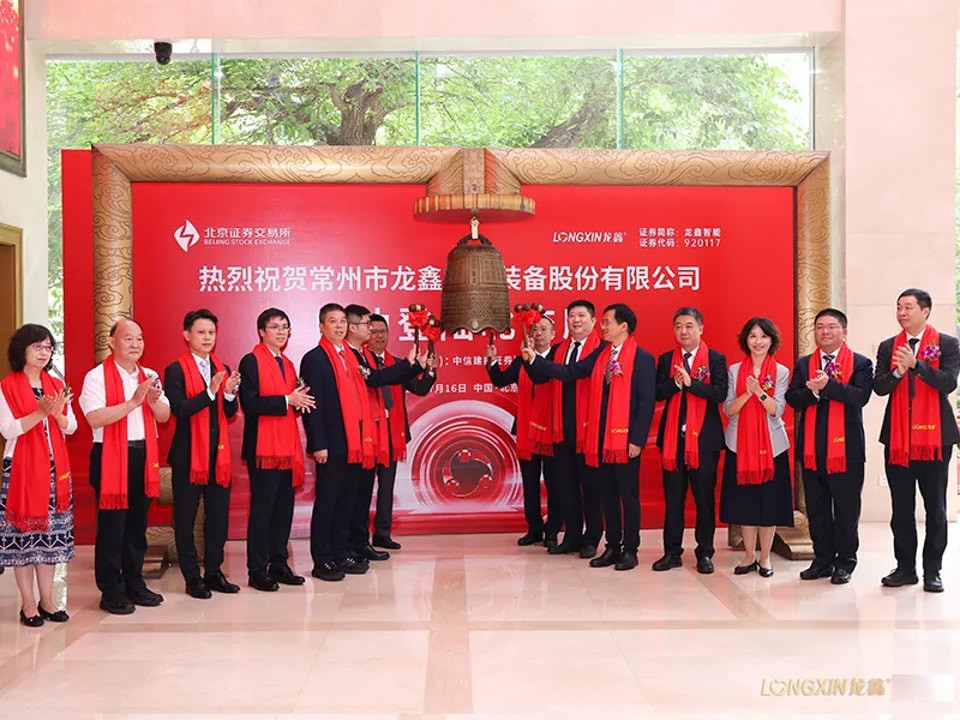
On the morning of July 16, 2026, Changzhou Longxin Intelligent Equipment Co., Ltd. (Stock Short Name: Longxin Intelligent, Stock Code: 920117) was officially listed on the Beijing Stock Exchange (BSE). This marks another major milestone on the capital market for Longxin Intelligent, following its successful NEEQ listing in 2024. The listing bell-ringing ceremony was grandly held at the Beijing Stock Exchange.
Ringing the Listing Bell to Embark on a New Capital Journey
On July 16, 2026, inside the trading hall of the Beijing Stock Exchange, the loud, solemn bell rang, officially launching Longxin Intelligent’s trading on the capital market.
Government officials at all levels of Changzhou, representatives of the sponsoring institution, strategic partners, and the company’s core management team gathered at the venue to witness this historic moment etched into Longxin’s development chronicle. Longxin Intelligent has officially embarked on a new high-quality development journey dual-driven by "technological innovation and capital empowerment".
Years of Accumulation Pave the Way for Capital Market Debut
Longxin Intelligent’s listing did not happen overnight. Founded in 2001, the company initially manufactured grinding equipment for traditional ink and coating materials. Amid industrial upgrades, it seized the historic opportunity of booming new energy materials and successfully transformed into a pioneer in equipment and automated production lines for preparing micro-nano high-performance composite materials.
In June 2025, Longxin Intelligent formally submitted its IPO application to the BSE, planning to raise funds for production capacity expansion and technological R&D. Despite challenges during the review process including industrial cyclical adjustments and gross margin fluctuations, the company maintained abundant pending orders and saw steady recovery in overall performance thanks to solid technical strength and a strong market reputation. It smoothly passed the review by the BSE Listing Committee on February 11, 2026.
After five months of registration and issuance preparation, Longxin Intelligent embraced its highlight moment in midsummer, completing a remarkable transformation from an NEEQ-listed enterprise to a publicly traded company on the Beijing Stock Exchange.
Innovation-Driven Development Builds Core Competitiveness
Scientific and technological innovation serves as the core engine of Longxin Intelligent’s high-quality growth and the fundamental support behind its successful listing. As a national "Specialized, Refined, Unique & Innovative Little Giant" enterprise, Longxin Group has long focused on R&D of core technologies for sand mills, three-roll mills, drying equipment and nano-material preparation, holding more than 100 invention and utility model patents in total.
Backed by robust technical capabilities, Longxin Intelligent goes beyond R&D and manufacturing of standalone equipment, extending its business to full-line integration and smart factory solutions. It delivers highly automated, digital intelligent production lines for clients, drastically boosting production efficiency and product quality. This innovation-led growth model has earned the trust of world-leading new energy enterprises including CATL and CALB, establishing Longxin as a stable and reliable core equipment supplier within the new energy industrial chain.
Capital Empowerment Draws a New Blueprint for Growth
Listing is not a destination, but a brand-new starting point for Longxin to seize opportunities in the advanced materials industry and reach new heights of development. Currently, the global new energy industry is in a critical phase of structural adjustment and technological iteration, with emerging technical routes such as solid-state batteries and sodium-ion batteries raising higher standards for upstream manufacturing equipment.
Leveraging capital market resources, Longxin Intelligent will accelerate construction of fund-raised projects and build digital factories to achieve leapfrog growth in production capacity and resolve delivery bottlenecks. Meanwhile, supported by its upgraded R&D center, the company will proactively lay out cutting-edge fields including next-generation ultrafine powder processing technologies. More importantly, the brand influence and expanded financing channels brought by the listing will help the company optimize its capital structure, lower financial costs and strengthen risk resistance. Going forward, Longxin Intelligent will adopt a more open attitude to accelerate its international layout. It will not only consolidate domestic market share, but also boldly go global to allocate resources and expand markets worldwide, enabling intelligent "Made in China" equipment to fuel the global transition to green energy.
Deep Industrial Collaboration to Forge a Shared Brighter Future
We are not merely participants in the capital market, but co-builders of the industrial chain. Longxin will continue to deepen collaborative innovation with upstream and downstream partners across the supply chain. Taking this listing as a turning point, the company will further promote the clustered development of China’s intelligent equipment manufacturing sector and polish Changzhou’s business card as the "Capital of New Energy".
Faced with broad opportunities brought by the global dual carbon goals, Longxin Intelligent will unswervingly pursue specialized, refined and differentiated development, and expand the application scope of micro-nano material preparation technologies across wider industries.
Read More
Longxin Intelligent Lists Successfully on Beijing Stock Exchange! Dual-Driven New Development Cycle Powered by Technology Foundation & Capital EmpowermentWarm Congratulations
On the morning of July 16, 2026, Changzhou Longxin Intelligent Equipment Co., Ltd. (Stock Short Name: Longxin Intelligent, Stock Code: 920117) was officially listed on the Beijing Stock Exchange (BSE). This marks another major milestone on the capital market for Longxin Intelligent, following its successful NEEQ listing in 2024. The listing bell-ringing ceremony was grandly held at the Beijing Stock Exchange.
Ringing the Listing Bell to Embark on a New Capital Journey
On July 16, 2026, inside the trading hall of the Beijing Stock Exchange, the loud, solemn bell rang, officially launching Longxin Intelligent’s trading on the capital market.
Government officials at all levels of Changzhou, representatives of the sponsoring institution, strategic partners, and the company’s core management team gathered at the venue to witness this historic moment etched into Longxin’s development chronicle. Longxin Intelligent has officially embarked on a new high-quality development journey dual-driven by "technological innovation and capital empowerment".
Years of Accumulation Pave the Way for Capital Market Debut
Longxin Intelligent’s listing did not happen overnight. Founded in 2001, the company initially manufactured grinding equipment for traditional ink and coating materials. Amid industrial upgrades, it seized the historic opportunity of booming new energy materials and successfully transformed into a pioneer in equipment and automated production lines for preparing micro-nano high-performance composite materials.
In June 2025, Longxin Intelligent formally submitted its IPO application to the BSE, planning to raise funds for production capacity expansion and technological R&D. Despite challenges during the review process including industrial cyclical adjustments and gross margin fluctuations, the company maintained abundant pending orders and saw steady recovery in overall performance thanks to solid technical strength and a strong market reputation. It smoothly passed the review by the BSE Listing Committee on February 11, 2026.
After five months of registration and issuance preparation, Longxin Intelligent embraced its highlight moment in midsummer, completing a remarkable transformation from an NEEQ-listed enterprise to a publicly traded company on the Beijing Stock Exchange.
Innovation-Driven Development Builds Core Competitiveness
Scientific and technological innovation serves as the core engine of Longxin Intelligent’s high-quality growth and the fundamental support behind its successful listing. As a national "Specialized, Refined, Unique & Innovative Little Giant" enterprise, Longxin Group has long focused on R&D of core technologies for sand mills, three-roll mills, drying equipment and nano-material preparation, holding more than 100 invention and utility model patents in total.
Backed by robust technical capabilities, Longxin Intelligent goes beyond R&D and manufacturing of standalone equipment, extending its business to full-line integration and smart factory solutions. It delivers highly automated, digital intelligent production lines for clients, drastically boosting production efficiency and product quality. This innovation-led growth model has earned the trust of world-leading new energy enterprises including CATL and CALB, establishing Longxin as a stable and reliable core equipment supplier within the new energy industrial chain.
Capital Empowerment Draws a New Blueprint for Growth
Listing is not a destination, but a brand-new starting point for Longxin to seize opportunities in the advanced materials industry and reach new heights of development. Currently, the global new energy industry is in a critical phase of structural adjustment and technological iteration, with emerging technical routes such as solid-state batteries and sodium-ion batteries raising higher standards for upstream manufacturing equipment.
Leveraging capital market resources, Longxin Intelligent will accelerate construction of fund-raised projects and build digital factories to achieve leapfrog growth in production capacity and resolve delivery bottlenecks. Meanwhile, supported by its upgraded R&D center, the company will proactively lay out cutting-edge fields including next-generation ultrafine powder processing technologies. More importantly, the brand influence and expanded financing channels brought by the listing will help the company optimize its capital structure, lower financial costs and strengthen risk resistance. Going forward, Longxin Intelligent will adopt a more open attitude to accelerate its international layout. It will not only consolidate domestic market share, but also boldly go global to allocate resources and expand markets worldwide, enabling intelligent "Made in China" equipment to fuel the global transition to green energy.
Deep Industrial Collaboration to Forge a Shared Brighter Future
We are not merely participants in the capital market, but co-builders of the industrial chain. Longxin will continue to deepen collaborative innovation with upstream and downstream partners across the supply chain. Taking this listing as a turning point, the company will further promote the clustered development of China’s intelligent equipment manufacturing sector and polish Changzhou’s business card as the "Capital of New Energy".
Faced with broad opportunities brought by the global dual carbon goals, Longxin Intelligent will unswervingly pursue specialized, refined and differentiated development, and expand the application scope of micro-nano material preparation technologies across wider industries.
Read More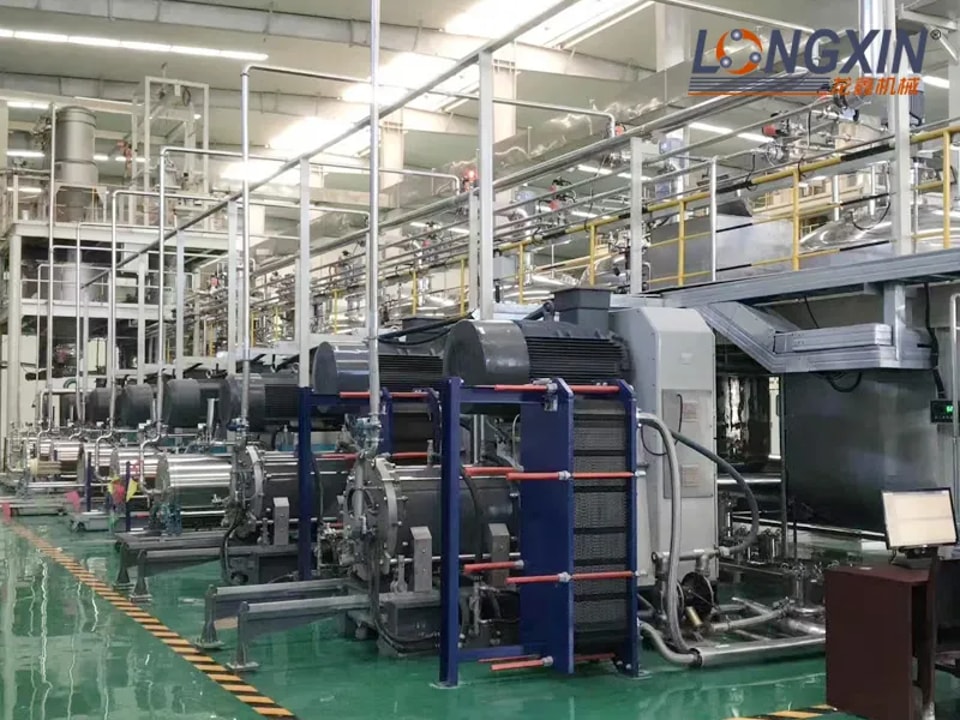 Longxin Drying Delivers Higher-Efficiency Post-Treatment for Fluoropolymer MaterialsAs spring unfolds and enterprises build momentum for growth, Longxin Intelligent’s Pilot & Industrialization Base for Micro-Nano Material Preparation recently completed a successful spray drying test on ultrafine PVDF powder for lithium battery binders, developed to meet the demands of a leading fluoropolymer manufacturer. Precise particle size control, outstanding batch consistency and ultra-low impurity levels once again demonstrate Longxin Drying’s profound technical expertise in fluoropolymer post-processing.
From process R&D to full production line commissioning, Longxin Drying has consistently provided global customers with comprehensive fluoropolymer post-treatment solutions covering core processes including drying and purification, jointly charting a new course for fluorine material industrial applications.
Market Expansion Creates Dual Pressures: Higher Quality & Greater Efficiency for Fluoropolymer Post-Treatment
Driven by rapid growth of strategic emerging industries including new energy, semiconductors, 5G communications and aerospace, fluoropolymers—critical advanced chemical materials—are experiencing unprecedented market opportunities:
As one of the most widely used fluororesins, PTFE faces urgent demand for domestic substitution in high-end semiconductor and medical sectors;
Fueled by explosive growth in lithium batteries, PVDF has become the core cathode binder material, with its market scale projected to exceed RMB 10 billion;
Rising investment in hydrogen energy has drawn widespread attention to the localized production of perfluorosulfonic acid (PFSA) resins, the core material for proton exchange membranes;
High-performance fluoropolymers such as FEP, PFA and ETFE see expanding applications in premium cables, semiconductor clean systems and photovoltaic encapsulation.
Market requirements for material performance keep rising: finer particle sizes, superior purity, stable molecular structures and consistent batch quality. Nevertheless, traditional post-treatment workflows, especially drying and purification, have become major bottlenecks restricting industrial upgrading:
Difficult quality control
Temperature-sensitive materials like PVDF suffer thermal decomposition and crystal form transformation under unstable temperatures in conventional dryers, impairing binder performance. PTFE suspension resin tends to agglomerate and stick to equipment walls during drying, with risks of metallic contamination, failing to meet strict cleanliness standards for high-end applications.
Severe safety and environmental burdens
Fluoropolymer production commonly uses organic solvents such as NMP and ethanol. Conventional open drying leads to massive solvent loss, elevated production costs and fire & explosion hazards. Meanwhile, fluorinated substances may release corrosive gases under high temperatures, damaging equipment and polluting the environment.
Low production efficiency & limited automation
Traditional batch operations rely heavily on manual labor with low throughput. End-to-end precise process control remains difficult, failing to satisfy stability and uniformity requirements for large-scale industrial manufacturing.
Longxin’s Solutions: Innovative Drying Technologies Balance High Throughput & Superior Product Quality
Drawing on in-depth research into fluorine material properties and decades of process experience, Longxin Drying has launched a full lineup of innovative post-treatment solutions for diverse fluoropolymers, raising industry benchmarks with cutting-edge equipment technologies.
1. PVDF Slurry Gas Flow Spray Dryer: Revolutionizing Intelligent Production Lines for Battery-Grade Binders
To meet the trend toward ultrafine PVDF binder powder, Longxin developed its new-generation gas flow spray dryer:
Equipped with high-pressure two-fluid atomization technology, high-speed shear from compressed air atomizes high-viscosity slurry into uniform droplets of 5–20 μm;
PID intelligent regulation precisely matches the thermal stability of PVDF molecular chains, preserving β crystal forms to guarantee high pole piece peel strength;
The fully closed system features 200-mesh precision filtration and 316L mirror-polished inner surfaces, limiting finished product impurities to ppm levels. An intelligent PLC system enables fully automatic closed-loop operation from feeding to powder output, delivering stable, high-quality production line equipment for the billion-yuan binder market.
2. PTFE Suspension Gas Flow Drying System: Full-Link Optimization Solves Contamination & Agglomeration Issues
Tailored to PTFE suspension resin’s high adhesion, agglomeration tendency and strict cleanliness requirements, Longxin’s fully optimized gas flow drying system features:
Adjustable Venturi feeding technology to eliminate pipeline blockages;
Main dryer with large-radius curved piping (no right-angle elbows) and mirror-polished inner walls (Ra ≤ 0.4 μm) to remove dead zones and prevent material buildup and wall adhesion;
Custom automatic flip plate valves replacing conventional rotary discharge valves, eliminating contamination from lubricants and friction debris at the source;
Integrated multi-stage air purification (Class 100,000 clean standard) and cooling sections. Materials are instantly dehydrated to moisture content below 0.1% within 2–3 seconds and rapidly cooled to under 40 °C for easy packaging, clearing key hurdles for domestic high-quality PTFE production.
3. PVDF & ETFE Flash Dryers: Intelligent Upgrades Cut Costs & Boost Output for Fluororubber Manufacturing
Longxin flash dryers are ideal for filter cake, paste-like PVDF, ETFE intermediates and fluororubber materials:
Integrated crushing and drying units: high-speed disintegrators instantly break up wet materials, which fully contact tangentially fed hot air for fluidized drying;
Intelligent temperature control and frequency conversion precisely adjust outlet moisture and fineness, slashing energy consumption vs. conventional equipment and lifting throughput, offering an energy-efficient, high-yield route for mass production of fluororubbers and modified fluoromaterials.
4. Closed-Loop Spray Dryer for PFSA Resins: Scaling Up Hydrogen Fuel Cell Proton Exchange Membrane Materials from Lab to Mass Production
Addressing core bottlenecks for hydrogen energy materials, Longxin’s closed-loop spray dryer serves as pivotal equipment for industrialized PFSA manufacturing:
Inert nitrogen circulation paired with online oxygen analyzers maintains oxygen content below 1%, fundamentally eliminating explosion risks from organic solvents and oxidative degradation of sulfonic acid side chains;
Low-temperature drying (<150 °C) safeguards the integrity of fluorocarbon backbones;
High-efficiency multi-stage condensation recovers over 95% of solvents to drastically reduce production costs.
This equipment enables domestic proton exchange membrane manufacturers to cross the final threshold from laboratory R&D to large-scale mass production.
5. High-Purity PFA Filter-Wash-Dry Integrated Machine: Breakthrough Post-Treatment Technology for Premium Fluoropolymer Refining
Semiconductor-grade PFA demands near-zero metallic impurities and particulate contaminants. Longxin’s all-in-one filter-wash-dry machine completes enclosed filtration, precision washing, vacuum drying and automatic discharging within a single vessel:
All product-contact surfaces feature high-precision mirror polishing and passivation to prevent metal ion leaching;
Fully enclosed material transfer avoids external contamination. Combined with advanced washing and vacuum drying technologies, the system delivers semiconductor-grade PFA with ultra-high cleanliness and low extractables, setting new industry standards for high-end fluoropolymer refining.
Looking Ahead: Full-Process Expertise Drives Industrial Upgrading of Fluoropolymers
Beyond standalone equipment, years of specialization in advanced material purification and drying have equipped Longxin Drying with comprehensive process know-how covering full production workflows. Clients gain access not only to high-performance single machines, but also customized production lines and EPC turnkey solutions.
Our integrated system solutions cover process package development, equipment selection, system integration and automatic control, customized to unique client requirements for high-efficiency, consistent full-process manufacturing from raw materials to finished goods. The solutions maximize raw material utilization, while thermal cycle recovery, solvent recycling and intelligent controls minimize water and energy consumption. This delivers substantial economic benefits for clients and supports sustainable resource utilization.
“Forging a New Era for Fluorine Materials” — Longxin Drying strives to be a trusted partner for fluoropolymer manufacturers through continuous technological innovation and complete solution portfolios. Together, we break technical barriers and embrace a promising new age of new energy and advanced materials.Read More
Longxin Drying Delivers Higher-Efficiency Post-Treatment for Fluoropolymer MaterialsAs spring unfolds and enterprises build momentum for growth, Longxin Intelligent’s Pilot & Industrialization Base for Micro-Nano Material Preparation recently completed a successful spray drying test on ultrafine PVDF powder for lithium battery binders, developed to meet the demands of a leading fluoropolymer manufacturer. Precise particle size control, outstanding batch consistency and ultra-low impurity levels once again demonstrate Longxin Drying’s profound technical expertise in fluoropolymer post-processing.
From process R&D to full production line commissioning, Longxin Drying has consistently provided global customers with comprehensive fluoropolymer post-treatment solutions covering core processes including drying and purification, jointly charting a new course for fluorine material industrial applications.
Market Expansion Creates Dual Pressures: Higher Quality & Greater Efficiency for Fluoropolymer Post-Treatment
Driven by rapid growth of strategic emerging industries including new energy, semiconductors, 5G communications and aerospace, fluoropolymers—critical advanced chemical materials—are experiencing unprecedented market opportunities:
As one of the most widely used fluororesins, PTFE faces urgent demand for domestic substitution in high-end semiconductor and medical sectors;
Fueled by explosive growth in lithium batteries, PVDF has become the core cathode binder material, with its market scale projected to exceed RMB 10 billion;
Rising investment in hydrogen energy has drawn widespread attention to the localized production of perfluorosulfonic acid (PFSA) resins, the core material for proton exchange membranes;
High-performance fluoropolymers such as FEP, PFA and ETFE see expanding applications in premium cables, semiconductor clean systems and photovoltaic encapsulation.
Market requirements for material performance keep rising: finer particle sizes, superior purity, stable molecular structures and consistent batch quality. Nevertheless, traditional post-treatment workflows, especially drying and purification, have become major bottlenecks restricting industrial upgrading:
Difficult quality control
Temperature-sensitive materials like PVDF suffer thermal decomposition and crystal form transformation under unstable temperatures in conventional dryers, impairing binder performance. PTFE suspension resin tends to agglomerate and stick to equipment walls during drying, with risks of metallic contamination, failing to meet strict cleanliness standards for high-end applications.
Severe safety and environmental burdens
Fluoropolymer production commonly uses organic solvents such as NMP and ethanol. Conventional open drying leads to massive solvent loss, elevated production costs and fire & explosion hazards. Meanwhile, fluorinated substances may release corrosive gases under high temperatures, damaging equipment and polluting the environment.
Low production efficiency & limited automation
Traditional batch operations rely heavily on manual labor with low throughput. End-to-end precise process control remains difficult, failing to satisfy stability and uniformity requirements for large-scale industrial manufacturing.
Longxin’s Solutions: Innovative Drying Technologies Balance High Throughput & Superior Product Quality
Drawing on in-depth research into fluorine material properties and decades of process experience, Longxin Drying has launched a full lineup of innovative post-treatment solutions for diverse fluoropolymers, raising industry benchmarks with cutting-edge equipment technologies.
1. PVDF Slurry Gas Flow Spray Dryer: Revolutionizing Intelligent Production Lines for Battery-Grade Binders
To meet the trend toward ultrafine PVDF binder powder, Longxin developed its new-generation gas flow spray dryer:
Equipped with high-pressure two-fluid atomization technology, high-speed shear from compressed air atomizes high-viscosity slurry into uniform droplets of 5–20 μm;
PID intelligent regulation precisely matches the thermal stability of PVDF molecular chains, preserving β crystal forms to guarantee high pole piece peel strength;
The fully closed system features 200-mesh precision filtration and 316L mirror-polished inner surfaces, limiting finished product impurities to ppm levels. An intelligent PLC system enables fully automatic closed-loop operation from feeding to powder output, delivering stable, high-quality production line equipment for the billion-yuan binder market.
2. PTFE Suspension Gas Flow Drying System: Full-Link Optimization Solves Contamination & Agglomeration Issues
Tailored to PTFE suspension resin’s high adhesion, agglomeration tendency and strict cleanliness requirements, Longxin’s fully optimized gas flow drying system features:
Adjustable Venturi feeding technology to eliminate pipeline blockages;
Main dryer with large-radius curved piping (no right-angle elbows) and mirror-polished inner walls (Ra ≤ 0.4 μm) to remove dead zones and prevent material buildup and wall adhesion;
Custom automatic flip plate valves replacing conventional rotary discharge valves, eliminating contamination from lubricants and friction debris at the source;
Integrated multi-stage air purification (Class 100,000 clean standard) and cooling sections. Materials are instantly dehydrated to moisture content below 0.1% within 2–3 seconds and rapidly cooled to under 40 °C for easy packaging, clearing key hurdles for domestic high-quality PTFE production.
3. PVDF & ETFE Flash Dryers: Intelligent Upgrades Cut Costs & Boost Output for Fluororubber Manufacturing
Longxin flash dryers are ideal for filter cake, paste-like PVDF, ETFE intermediates and fluororubber materials:
Integrated crushing and drying units: high-speed disintegrators instantly break up wet materials, which fully contact tangentially fed hot air for fluidized drying;
Intelligent temperature control and frequency conversion precisely adjust outlet moisture and fineness, slashing energy consumption vs. conventional equipment and lifting throughput, offering an energy-efficient, high-yield route for mass production of fluororubbers and modified fluoromaterials.
4. Closed-Loop Spray Dryer for PFSA Resins: Scaling Up Hydrogen Fuel Cell Proton Exchange Membrane Materials from Lab to Mass Production
Addressing core bottlenecks for hydrogen energy materials, Longxin’s closed-loop spray dryer serves as pivotal equipment for industrialized PFSA manufacturing:
Inert nitrogen circulation paired with online oxygen analyzers maintains oxygen content below 1%, fundamentally eliminating explosion risks from organic solvents and oxidative degradation of sulfonic acid side chains;
Low-temperature drying (<150 °C) safeguards the integrity of fluorocarbon backbones;
High-efficiency multi-stage condensation recovers over 95% of solvents to drastically reduce production costs.
This equipment enables domestic proton exchange membrane manufacturers to cross the final threshold from laboratory R&D to large-scale mass production.
5. High-Purity PFA Filter-Wash-Dry Integrated Machine: Breakthrough Post-Treatment Technology for Premium Fluoropolymer Refining
Semiconductor-grade PFA demands near-zero metallic impurities and particulate contaminants. Longxin’s all-in-one filter-wash-dry machine completes enclosed filtration, precision washing, vacuum drying and automatic discharging within a single vessel:
All product-contact surfaces feature high-precision mirror polishing and passivation to prevent metal ion leaching;
Fully enclosed material transfer avoids external contamination. Combined with advanced washing and vacuum drying technologies, the system delivers semiconductor-grade PFA with ultra-high cleanliness and low extractables, setting new industry standards for high-end fluoropolymer refining.
Looking Ahead: Full-Process Expertise Drives Industrial Upgrading of Fluoropolymers
Beyond standalone equipment, years of specialization in advanced material purification and drying have equipped Longxin Drying with comprehensive process know-how covering full production workflows. Clients gain access not only to high-performance single machines, but also customized production lines and EPC turnkey solutions.
Our integrated system solutions cover process package development, equipment selection, system integration and automatic control, customized to unique client requirements for high-efficiency, consistent full-process manufacturing from raw materials to finished goods. The solutions maximize raw material utilization, while thermal cycle recovery, solvent recycling and intelligent controls minimize water and energy consumption. This delivers substantial economic benefits for clients and supports sustainable resource utilization.
“Forging a New Era for Fluorine Materials” — Longxin Drying strives to be a trusted partner for fluoropolymer manufacturers through continuous technological innovation and complete solution portfolios. Together, we break technical barriers and embrace a promising new age of new energy and advanced materials.Read More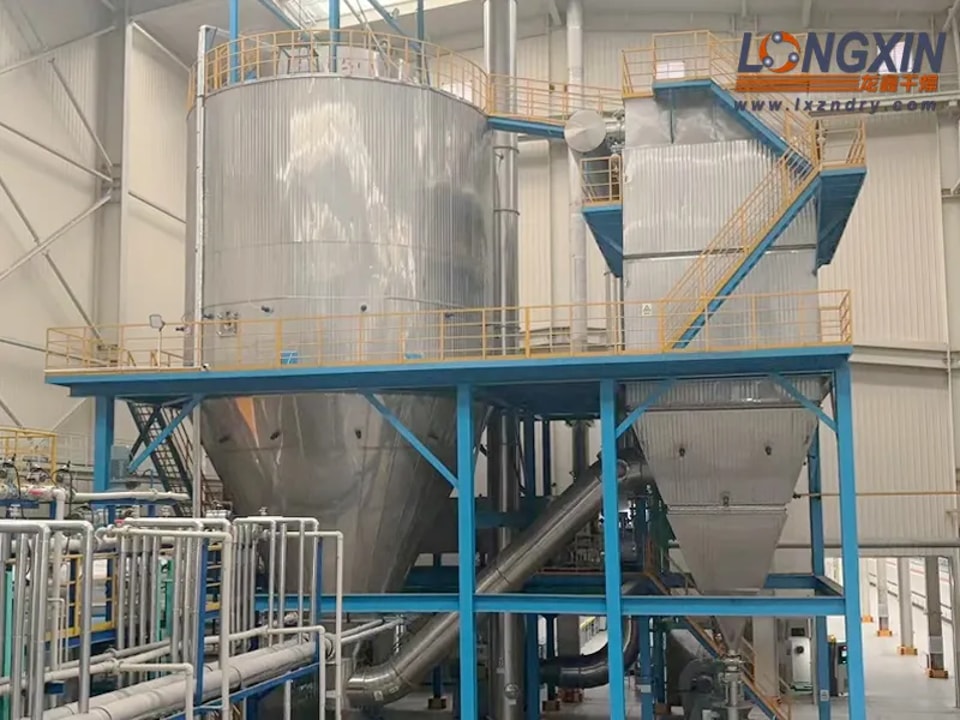 A New Journey for Fluorochemicals: Longxin Drying Boosts Efficiency in Post-Processing of Fluoropolymer MaterialsAs spring brings thriving vitality and a season of fruitful breakthroughs, Longxin Intelligent’s engineering and industrialization pilot base for micro & nano material manufacturing recently achieved full success in spray drying tests on ultra-fine PVDF lithium battery binder powder, developed to meet the demands of a leading fluoropolymer enterprise. Precise particle size control, outstanding batch consistency and ultra-low impurity content once again demonstrate Longxin Drying’s profound technical expertise in fluoropolymer post-processing.
From process route development to smooth commissioning of complete production lines, Longxin Drying has consistently delivered all-round post-processing solutions for fluoropolymer materials covering core procedures such as drying and purification to global clients, embarking on a brand-new chapter in fluoromaterial application alongside the industry.
Surging Market Demand: Dual Challenges of Quality Improvement & Efficiency Boost for Fluoropolymer Post-Processing
Driven by rapid growth of strategic emerging industries including new energy, semiconductors, 5G communications and aerospace, fluoropolymers, as critical new chemical materials, are embracing unprecedented development opportunities:
As a widely adopted fluororesin, PTFE faces urgent demand for domestic substitution in high-end semiconductor and medical sectors.
Fueled by explosive expansion of lithium battery industry, PVDF has become a core cathode binder, with its market scale projected to exceed 10 billion RMB.
Amid the booming hydrogen energy sector, perfluorosulfonic acid resin (PFSA), the core material for proton exchange membranes, draws widespread attention for its domestic industrialization progress.
High-performance fluoromaterials including FEP, PFA and ETFE see expanding applications in high-end cables, semiconductor clean systems, photovoltaic encapsulation and other fields.
Market requirements for material performance keep escalating toward ultra-fine particle size, ultra-high purity, stable molecular structure and superior batch consistency. Nevertheless, traditional post-processing workflows, especially drying and purification steps, have become core bottlenecks holding back industrial upgrading:
Difficult quality control: Temperature-sensitive materials such as PVDF tend to suffer thermal decomposition and crystal transformation inside conventional dryers due to drastic temperature fluctuations, degrading adhesive performance. PTFE suspension resin is prone to extrusion agglomeration and wall adhesion during drying, with risks of foreign metal contamination, failing to meet strict cleanliness standards of high-end applications.
Severe safety & environmental pressures: Fluoropolymer manufacturing frequently involves organic solvents such as NMP and ethanol. Conventional open drying leads to massive solvent loss and higher production costs, alongside fire and explosion hazards. Moreover, fluorinated substances may release corrosive gas under high temperature, posing threats to equipment and the environment.
Low production efficiency & limited automation: Traditional processes mostly adopt batch operation with heavy manual reliance and low throughput. Full-process precise control from feeding to discharging cannot be realized, failing to satisfy stability and consistency requirements of large-scale industrial mass production.
Longxin Custom Solutions: Innovative Drying Technology Balances High Output & Premium Product Quality
To tackle the above challenges, drawing on in-depth understanding of fluoromaterial properties and decades of process experience, Longxin Drying has launched a series of innovative solutions covering post-processing of various fluoropolymers, reshaping industrial benchmarks with advanced equipment technology.
1. PVDF Slurry Airflow Spray Dryer: Revolutionizing Production of Battery-Grade Binders from Process Bottleneck to Intelligent Production Line
Tailored to the trend of ultra-fine pulverization of PVDF binders, Longxin developed a new-generation airflow spray dryer:
① Equipped with high-pressure two-fluid atomization technology, high-speed shear force from compressed air stably atomizes high-viscosity slurry into uniform droplets of 5–20 μm.
② Integrated PID intelligent regulation precisely matches the thermal stability requirements of PVDF molecular chains, effectively preserving β crystal form and guaranteeing cathode sheet peel strength.
③ The complete system adopts 200-mesh precision filtration and 316L mirror-polished inner walls, strictly limiting finished product impurity content to ppm level. An intelligent PLC system realizes fully automatic closed-loop control from feeding to powder discharging, supplying high-quality, highly stable intelligent line equipment for the billion-yuan binder market.
2. Suspended PTFE Airflow Drying System: Full-Link Optimization from Feeding to Cooling to Eliminate Contamination & Agglomeration of PTFE Powder
Developed for PTFE suspension resin featuring strong adhesion, severe agglomeration tendency and stringent cleanliness requirements, this fully optimized airflow drying system delivers multiple advantages:
① Adopts adjustable Venturi feeding technology to effectively prevent pipeline blockage.
② The main drying unit eliminates right-angle elbows, featuring large-curvature pipelines and mirror-polished inner walls (Ra ≤ 0.4 μm) to remove material dead zones and avoid wall adhesion & material accumulation.
③ An innovatively designed automatic flap valve replaces traditional rotary discharge valves, fundamentally eliminating product contamination by lubricants and friction debris.
④ Integrated multi-stage air purification (up to Class 100,000 cleanroom standard) and cooling sections achieve instant dehydration within 2–3 seconds to moisture content below 0.1%, followed by rapid cooling to under 40 ℃ for easy packaging, clearing critical obstacles for domestic production of high-quality PTFE.
3. PVDF & ETFE Flash Dryer: Intelligent Upgrade to Cut Costs & Boost Efficiency for Fluororubber Production
Longxin flash dryers serve as the optimal choice for filter cake/paste-like PVDF, ETFE intermediates and fluororubber materials:
① Combining crushing and drying functions, high-speed pulverizers instantly disperse wet materials, which fully contact tangentially fed hot air to realize fluidized drying.
② Intelligent temperature control and frequency conversion regulation precisely adjust outlet moisture content and fineness, slashing energy consumption and lifting production efficiency compared with conventional equipment, offering an energy-saving, high-throughput pathway for mass production of fluororubber and modified fluoromaterials.
4. PFSA Closed-Circuit Spray Dryer for Perfluorosulfonic Acid Resin: From Lab R&D to Industrialization, Supporting Mass Production of Hydrogen Fuel Cell Proton Exchange Membrane Materials
Addressing the core bottleneck of hydrogen energy materials, Longxin closed-circuit spray dryers act as pivotal equipment for large-scale PFSA manufacturing:
① Nitrogen serves as the inert circulating medium, paired with an online oxygen concentration analyzer to strictly control oxygen content below 1%, fundamentally eliminating fire/explosion risks of organic solvents and oxidative degradation of sulfonic acid side chains on resin molecules.
② Precision low-temperature drying technology (<150 ℃) safeguards the integrity of fluorocarbon backbones.
③ A high-efficiency multi-stage condensing recovery system recovers over 95% of solvents, drastically cutting production costs.
This equipment bridges the final gap between laboratory research and mass production for domestic proton exchange membrane manufacturers.
5. High-Purity PFA Filter-Wash-Dry All-in-One Unit: Breakthrough Post-Processing Tech for High-Performance Fluoromaterials, Reinventing Purification Processes for Fluoropolymers
Semiconductor-grade PFA demands zero tolerance for metal impurities and particulate contaminants. Longxin integrated filter-wash-dry units complete full-process closed operations including high-efficiency filtration, precision washing, vacuum drying and automatic discharging within a single sealed vessel:
① All inner walls and material contact surfaces undergo high-precision mirror polishing and passivation treatment to prevent metal ion precipitation.
② Sealed material transfer design blocks external contamination. Combined with high-efficiency washing and vacuum drying technology, the unit delivers PFA products meeting semiconductor-grade ultra-high cleanliness and low leaching standards, setting a new benchmark for purification workflows of high-end fluoromaterials.
Looking Ahead: Full-Value-Chain Processes to Drive Industrial Upgrading of Fluoropolymers
With years of dedicated research in new material purification and drying, Longxin Drying offers far more than standalone equipment — we possess in-depth process expertise covering every segment of material production. Clients gain access not only to high-performance individual machines, but also fully customized production lines and EPC general contracting solutions.
From process package development, equipment selection and system integration to automated control, our system solutions are precisely tailored to unique client demands, ensuring ultra-high efficiency and reliable quality across the entire workflow from raw material input to finished products. Our solutions maximize raw material utilization, while minimizing water and energy consumption via efficient heat circulation, solvent recovery and intelligent control systems. This not only delivers substantial economic benefits for clients, but also advances sustainable utilization of environmental resources.
Embark on a New Journey for Fluorochemicals
Committed to continuous technological innovation and comprehensive solution portfolios, Longxin Drying aims to be a trusted partner for fluoropolymer manufacturers. Together we will break through technical barriers and embrace a brilliant new era of new energy and advanced new materials.Read More
A New Journey for Fluorochemicals: Longxin Drying Boosts Efficiency in Post-Processing of Fluoropolymer MaterialsAs spring brings thriving vitality and a season of fruitful breakthroughs, Longxin Intelligent’s engineering and industrialization pilot base for micro & nano material manufacturing recently achieved full success in spray drying tests on ultra-fine PVDF lithium battery binder powder, developed to meet the demands of a leading fluoropolymer enterprise. Precise particle size control, outstanding batch consistency and ultra-low impurity content once again demonstrate Longxin Drying’s profound technical expertise in fluoropolymer post-processing.
From process route development to smooth commissioning of complete production lines, Longxin Drying has consistently delivered all-round post-processing solutions for fluoropolymer materials covering core procedures such as drying and purification to global clients, embarking on a brand-new chapter in fluoromaterial application alongside the industry.
Surging Market Demand: Dual Challenges of Quality Improvement & Efficiency Boost for Fluoropolymer Post-Processing
Driven by rapid growth of strategic emerging industries including new energy, semiconductors, 5G communications and aerospace, fluoropolymers, as critical new chemical materials, are embracing unprecedented development opportunities:
As a widely adopted fluororesin, PTFE faces urgent demand for domestic substitution in high-end semiconductor and medical sectors.
Fueled by explosive expansion of lithium battery industry, PVDF has become a core cathode binder, with its market scale projected to exceed 10 billion RMB.
Amid the booming hydrogen energy sector, perfluorosulfonic acid resin (PFSA), the core material for proton exchange membranes, draws widespread attention for its domestic industrialization progress.
High-performance fluoromaterials including FEP, PFA and ETFE see expanding applications in high-end cables, semiconductor clean systems, photovoltaic encapsulation and other fields.
Market requirements for material performance keep escalating toward ultra-fine particle size, ultra-high purity, stable molecular structure and superior batch consistency. Nevertheless, traditional post-processing workflows, especially drying and purification steps, have become core bottlenecks holding back industrial upgrading:
Difficult quality control: Temperature-sensitive materials such as PVDF tend to suffer thermal decomposition and crystal transformation inside conventional dryers due to drastic temperature fluctuations, degrading adhesive performance. PTFE suspension resin is prone to extrusion agglomeration and wall adhesion during drying, with risks of foreign metal contamination, failing to meet strict cleanliness standards of high-end applications.
Severe safety & environmental pressures: Fluoropolymer manufacturing frequently involves organic solvents such as NMP and ethanol. Conventional open drying leads to massive solvent loss and higher production costs, alongside fire and explosion hazards. Moreover, fluorinated substances may release corrosive gas under high temperature, posing threats to equipment and the environment.
Low production efficiency & limited automation: Traditional processes mostly adopt batch operation with heavy manual reliance and low throughput. Full-process precise control from feeding to discharging cannot be realized, failing to satisfy stability and consistency requirements of large-scale industrial mass production.
Longxin Custom Solutions: Innovative Drying Technology Balances High Output & Premium Product Quality
To tackle the above challenges, drawing on in-depth understanding of fluoromaterial properties and decades of process experience, Longxin Drying has launched a series of innovative solutions covering post-processing of various fluoropolymers, reshaping industrial benchmarks with advanced equipment technology.
1. PVDF Slurry Airflow Spray Dryer: Revolutionizing Production of Battery-Grade Binders from Process Bottleneck to Intelligent Production Line
Tailored to the trend of ultra-fine pulverization of PVDF binders, Longxin developed a new-generation airflow spray dryer:
① Equipped with high-pressure two-fluid atomization technology, high-speed shear force from compressed air stably atomizes high-viscosity slurry into uniform droplets of 5–20 μm.
② Integrated PID intelligent regulation precisely matches the thermal stability requirements of PVDF molecular chains, effectively preserving β crystal form and guaranteeing cathode sheet peel strength.
③ The complete system adopts 200-mesh precision filtration and 316L mirror-polished inner walls, strictly limiting finished product impurity content to ppm level. An intelligent PLC system realizes fully automatic closed-loop control from feeding to powder discharging, supplying high-quality, highly stable intelligent line equipment for the billion-yuan binder market.
2. Suspended PTFE Airflow Drying System: Full-Link Optimization from Feeding to Cooling to Eliminate Contamination & Agglomeration of PTFE Powder
Developed for PTFE suspension resin featuring strong adhesion, severe agglomeration tendency and stringent cleanliness requirements, this fully optimized airflow drying system delivers multiple advantages:
① Adopts adjustable Venturi feeding technology to effectively prevent pipeline blockage.
② The main drying unit eliminates right-angle elbows, featuring large-curvature pipelines and mirror-polished inner walls (Ra ≤ 0.4 μm) to remove material dead zones and avoid wall adhesion & material accumulation.
③ An innovatively designed automatic flap valve replaces traditional rotary discharge valves, fundamentally eliminating product contamination by lubricants and friction debris.
④ Integrated multi-stage air purification (up to Class 100,000 cleanroom standard) and cooling sections achieve instant dehydration within 2–3 seconds to moisture content below 0.1%, followed by rapid cooling to under 40 ℃ for easy packaging, clearing critical obstacles for domestic production of high-quality PTFE.
3. PVDF & ETFE Flash Dryer: Intelligent Upgrade to Cut Costs & Boost Efficiency for Fluororubber Production
Longxin flash dryers serve as the optimal choice for filter cake/paste-like PVDF, ETFE intermediates and fluororubber materials:
① Combining crushing and drying functions, high-speed pulverizers instantly disperse wet materials, which fully contact tangentially fed hot air to realize fluidized drying.
② Intelligent temperature control and frequency conversion regulation precisely adjust outlet moisture content and fineness, slashing energy consumption and lifting production efficiency compared with conventional equipment, offering an energy-saving, high-throughput pathway for mass production of fluororubber and modified fluoromaterials.
4. PFSA Closed-Circuit Spray Dryer for Perfluorosulfonic Acid Resin: From Lab R&D to Industrialization, Supporting Mass Production of Hydrogen Fuel Cell Proton Exchange Membrane Materials
Addressing the core bottleneck of hydrogen energy materials, Longxin closed-circuit spray dryers act as pivotal equipment for large-scale PFSA manufacturing:
① Nitrogen serves as the inert circulating medium, paired with an online oxygen concentration analyzer to strictly control oxygen content below 1%, fundamentally eliminating fire/explosion risks of organic solvents and oxidative degradation of sulfonic acid side chains on resin molecules.
② Precision low-temperature drying technology (<150 ℃) safeguards the integrity of fluorocarbon backbones.
③ A high-efficiency multi-stage condensing recovery system recovers over 95% of solvents, drastically cutting production costs.
This equipment bridges the final gap between laboratory research and mass production for domestic proton exchange membrane manufacturers.
5. High-Purity PFA Filter-Wash-Dry All-in-One Unit: Breakthrough Post-Processing Tech for High-Performance Fluoromaterials, Reinventing Purification Processes for Fluoropolymers
Semiconductor-grade PFA demands zero tolerance for metal impurities and particulate contaminants. Longxin integrated filter-wash-dry units complete full-process closed operations including high-efficiency filtration, precision washing, vacuum drying and automatic discharging within a single sealed vessel:
① All inner walls and material contact surfaces undergo high-precision mirror polishing and passivation treatment to prevent metal ion precipitation.
② Sealed material transfer design blocks external contamination. Combined with high-efficiency washing and vacuum drying technology, the unit delivers PFA products meeting semiconductor-grade ultra-high cleanliness and low leaching standards, setting a new benchmark for purification workflows of high-end fluoromaterials.
Looking Ahead: Full-Value-Chain Processes to Drive Industrial Upgrading of Fluoropolymers
With years of dedicated research in new material purification and drying, Longxin Drying offers far more than standalone equipment — we possess in-depth process expertise covering every segment of material production. Clients gain access not only to high-performance individual machines, but also fully customized production lines and EPC general contracting solutions.
From process package development, equipment selection and system integration to automated control, our system solutions are precisely tailored to unique client demands, ensuring ultra-high efficiency and reliable quality across the entire workflow from raw material input to finished products. Our solutions maximize raw material utilization, while minimizing water and energy consumption via efficient heat circulation, solvent recovery and intelligent control systems. This not only delivers substantial economic benefits for clients, but also advances sustainable utilization of environmental resources.
Embark on a New Journey for Fluorochemicals
Committed to continuous technological innovation and comprehensive solution portfolios, Longxin Drying aims to be a trusted partner for fluoropolymer manufacturers. Together we will break through technical barriers and embrace a brilliant new era of new energy and advanced new materials.Read More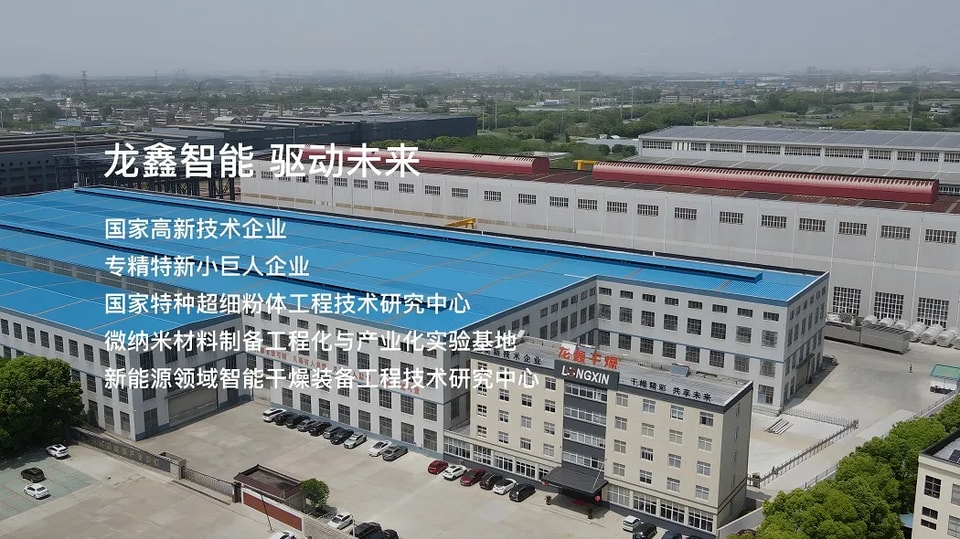 Longxin Intelligent Shapes a New Future for Powder Alloy Materials with Customized SolutionsIn cutting-edge sectors including aerospace, new energy vehicles, high-performance mold manufacturing and biomedical engineering, additive manufacturing (3D printing) and thermal spraying technologies are reshaping the landscape of industrial manufacturing at an unprecedented pace. As the "raw material" powering these advanced manufacturing techniques, the quality of high-performance powder alloys directly determines the performance ceiling of final finished products. Driven by increasingly stringent market requirements for lightweight complex components, integrated multi-functional design and enhanced environmental adaptability, the powder alloy industry is undergoing a pivotal transformation from volume-oriented production to quality-driven development.
Nevertheless, amid this wave of industrial upgrading, drying and granulation processes often emerge as bottlenecks restricting breakthroughs in powder performance. Conventional drying methods struggle to simultaneously address key challenges for ultra-fine powders: agglomeration prevention, sphericity control, oxygen content suppression, and safe handling of flammable and explosive materials. To meet the stringent process requirements of diverse materials such as high-temperature alloys, spherical alloy powders and electrode alloys, Longxin Drying leverages profound technical expertise and innovative ingenuity to launch a full range of customized precision drying solutions, unlocking transformative possibilities for the powder metallurgy sector.
Addressing Industry Pain Points: Challenges and Innovations in Traditional Drying Processes
The preparation of powder alloys currently faces multiple technical hurdles:
Difficult control over particle size distribution and morphology: Spherical powders for 3D printing demand exceptional flowability and apparent density, yet conventional airflow drying tends to produce irregular particles.
Poor composition uniformity: Multicomponent oxides or composite alloys are prone to segregation during drying, undermining the mechanical properties of end materials.
Prominent safety hazards: Ultra-fine metal powders feature an extremely large specific surface area, making them highly susceptible to oxidation and even explosion; standard open drying systems fail to deliver an inert gas protective atmosphere.
Cumbersome post-processing workflows: Separate washing, filtration and drying procedures for precious metal production lead to low efficiency, material loss and secondary contamination.
To resolve these pain points, Longxin Intelligent conducts in-depth analysis of the physical and chemical properties of powder alloys. Rejecting one-size-fits-all generic equipment models, we deliver highly customized solutions tailored to unique material characteristics to guarantee all powders meet stringent process specifications.
Core Product Portfolio: Six Customized Solutions for Diverse Material Properties
Backed by an independently developed core technology matrix, Longxin Drying has built a comprehensive precision drying equipment ecosystem, delivering tailor-made solutions for powder alloys with distinct properties:
Closed-Circuit Pressure Spray Granulation Dryer: Optimizing Particle Size and Morphology for Cemented Carbides
Designed for cemented carbide mixes with strict standards for particle size distribution and particle strength, this equipment adopts a closed-circuit system using organic solvents or inert gas as the medium to effectively inhibit oxidation. By precisely regulating atomization pressure and inlet air temperature, it produces spherical particles with uniform particle sizes, dense internal structures and superior flowability, improving the quality and efficiency of subsequent compression molding.
Closed-Circuit Centrifugal Spray Dryer: Producing High-Sphericity Alloy Powders
Engineered exclusively for high-temperature alloys and 3D printing feedstock. A high-speed centrifugal disk atomizes molten or slurry-form alloys into micron-sized droplets, which instantaneously dry and solidify under an inert closed atmosphere. This process delivers powders with superior sphericity and low porosity, while accurately stabilizing oxygen content, perfectly matching high-end additive manufacturing processes such as selective laser melting.
Nano Sand Milling-Airflow Spray Drying Production Line: Setting New Standards for Multicomponent Oxides
Developed for new energy battery materials, special ceramic precursors and other multicomponent oxide powders, this integrated production line combines nano sand milling dispersion technology with airflow spray drying capabilities. It achieves uniform micron-level mixing of components, with flexible adjustment of composition ratios and particle sizes, eliminating severe agglomeration and broad particle size distribution plaguing traditional processes, and laying a solid foundation for the design of high-performance alloy formulations.
Closed Explosion-Proof Flash Dryer: Ensuring Safe Production of Ultra-Fine Alloys
To address the flammability and explosiveness of ultra-fine alloy powders, Longxin has developed a fully closed explosion-proof flash drying system. It integrates rapid dehydration with precise temperature control; materials complete moisture removal in an instant, avoiding performance degradation from prolonged heat exposure. Outstanding operational stability and consistency enable safe, large-scale continuous production.
Single-Cone Ribbon Vacuum Dryer: Balancing Low-Temperature Drying and Resin Coating
The ideal solution for heat-sensitive alloy powders or materials requiring surface modification such as resin coating. It performs efficient low-temperature drying under vacuum conditions, preserving the alloy’s microstructure while enabling uniform adhesion of coating layers. Energy-saving design and gentle agitation minimize material abrasion and boost product added value.
Integrated Filter-Wash-Dry All-in-One Unit: Boosting Quality for Precious Metal Post-Processing
Combining filtration, washing and drying functions within a single unit, revolutionizing traditional precious metal post-processing workflows. All procedures are completed inside one sealed vessel, drastically shortening production cycles while eliminating material loss and contamination during transfer. It elevates precious metal recovery rates and product purity.
Full-Spectrum Industry Empowerment: Unlocking Cutting-Edge Powder Alloy Manufacturing Processes
Longxin’s precision drying technologies serve a wide array of subsectors including high-temperature alloys, powder metallurgy, thermal spray alloys and electrode alloys:
Aerospace: Longxin equipment facilitates the production of high-strength, high-toughness titanium and nickel-based superalloy powders, advancing lightweight upgrades for critical components such as engine blades.
New Energy: Highly consistent spherical alloy powders provide core support for manufacturing high-efficiency electrodes.
Biomedical 3D Printing Implants: High-purity, low-oxygen powder materials enable personalized custom implant fabrication.
Beyond supplying standalone equipment, Longxin partners with clients to master advanced manufacturing processes and seize competitive market advantages.
Continuous Innovation: Comprehensive Professional Support Across the Entire Workflow
Longxin Drying recognizes that premium equipment is only half the solution; all-round professional services are the cornerstone of future manufacturing success.
End-to-End Technical Expertise: We deliver one-stop solutions covering upstream raw material purification, midstream drying and granulation, and downstream surface coating. Our team of industry specialists possesses full-lifecycle powder metallurgy expertise, designing optimal process configurations customized to each client’s unique material properties.
Transforming Concept into Reality: Our advanced pilot testing base converts clients’ process concepts into tangible test data. Closed-loop validation via simulation, engineering design and physical testing ensures every production line achieves optimal operational performance upon launch, cutting clients’ trial-and-error costs.
Driving Sustainable Manufacturing: Aligned with the national dual-carbon goals, Longxin develops low-carbon, energy-efficient equipment components. Our closed-circuit systems drastically reduce solvent consumption and exhaust emissions, while high-efficiency heat recovery modules curb energy waste, supporting the powder alloy industry’s transition to green manufacturing.
Outlook for the Future
Adhering to the core philosophy of "Precision Drying, Intelligent Manufacturing for Tomorrow", Longxin Drying will continue to drive technological innovation and center its development on customer demands, deepening its footprint in the powder alloy sector. We look forward to collaborating with global industry partners to propel leapfrog advancements in high-temperature alloys, 3D printing materials and specialty powder metallurgy technologies, co-creating a more efficient, safe and sustainable new era for advanced materials.Read More
Longxin Intelligent Shapes a New Future for Powder Alloy Materials with Customized SolutionsIn cutting-edge sectors including aerospace, new energy vehicles, high-performance mold manufacturing and biomedical engineering, additive manufacturing (3D printing) and thermal spraying technologies are reshaping the landscape of industrial manufacturing at an unprecedented pace. As the "raw material" powering these advanced manufacturing techniques, the quality of high-performance powder alloys directly determines the performance ceiling of final finished products. Driven by increasingly stringent market requirements for lightweight complex components, integrated multi-functional design and enhanced environmental adaptability, the powder alloy industry is undergoing a pivotal transformation from volume-oriented production to quality-driven development.
Nevertheless, amid this wave of industrial upgrading, drying and granulation processes often emerge as bottlenecks restricting breakthroughs in powder performance. Conventional drying methods struggle to simultaneously address key challenges for ultra-fine powders: agglomeration prevention, sphericity control, oxygen content suppression, and safe handling of flammable and explosive materials. To meet the stringent process requirements of diverse materials such as high-temperature alloys, spherical alloy powders and electrode alloys, Longxin Drying leverages profound technical expertise and innovative ingenuity to launch a full range of customized precision drying solutions, unlocking transformative possibilities for the powder metallurgy sector.
Addressing Industry Pain Points: Challenges and Innovations in Traditional Drying Processes
The preparation of powder alloys currently faces multiple technical hurdles:
Difficult control over particle size distribution and morphology: Spherical powders for 3D printing demand exceptional flowability and apparent density, yet conventional airflow drying tends to produce irregular particles.
Poor composition uniformity: Multicomponent oxides or composite alloys are prone to segregation during drying, undermining the mechanical properties of end materials.
Prominent safety hazards: Ultra-fine metal powders feature an extremely large specific surface area, making them highly susceptible to oxidation and even explosion; standard open drying systems fail to deliver an inert gas protective atmosphere.
Cumbersome post-processing workflows: Separate washing, filtration and drying procedures for precious metal production lead to low efficiency, material loss and secondary contamination.
To resolve these pain points, Longxin Intelligent conducts in-depth analysis of the physical and chemical properties of powder alloys. Rejecting one-size-fits-all generic equipment models, we deliver highly customized solutions tailored to unique material characteristics to guarantee all powders meet stringent process specifications.
Core Product Portfolio: Six Customized Solutions for Diverse Material Properties
Backed by an independently developed core technology matrix, Longxin Drying has built a comprehensive precision drying equipment ecosystem, delivering tailor-made solutions for powder alloys with distinct properties:
Closed-Circuit Pressure Spray Granulation Dryer: Optimizing Particle Size and Morphology for Cemented Carbides
Designed for cemented carbide mixes with strict standards for particle size distribution and particle strength, this equipment adopts a closed-circuit system using organic solvents or inert gas as the medium to effectively inhibit oxidation. By precisely regulating atomization pressure and inlet air temperature, it produces spherical particles with uniform particle sizes, dense internal structures and superior flowability, improving the quality and efficiency of subsequent compression molding.
Closed-Circuit Centrifugal Spray Dryer: Producing High-Sphericity Alloy Powders
Engineered exclusively for high-temperature alloys and 3D printing feedstock. A high-speed centrifugal disk atomizes molten or slurry-form alloys into micron-sized droplets, which instantaneously dry and solidify under an inert closed atmosphere. This process delivers powders with superior sphericity and low porosity, while accurately stabilizing oxygen content, perfectly matching high-end additive manufacturing processes such as selective laser melting.
Nano Sand Milling-Airflow Spray Drying Production Line: Setting New Standards for Multicomponent Oxides
Developed for new energy battery materials, special ceramic precursors and other multicomponent oxide powders, this integrated production line combines nano sand milling dispersion technology with airflow spray drying capabilities. It achieves uniform micron-level mixing of components, with flexible adjustment of composition ratios and particle sizes, eliminating severe agglomeration and broad particle size distribution plaguing traditional processes, and laying a solid foundation for the design of high-performance alloy formulations.
Closed Explosion-Proof Flash Dryer: Ensuring Safe Production of Ultra-Fine Alloys
To address the flammability and explosiveness of ultra-fine alloy powders, Longxin has developed a fully closed explosion-proof flash drying system. It integrates rapid dehydration with precise temperature control; materials complete moisture removal in an instant, avoiding performance degradation from prolonged heat exposure. Outstanding operational stability and consistency enable safe, large-scale continuous production.
Single-Cone Ribbon Vacuum Dryer: Balancing Low-Temperature Drying and Resin Coating
The ideal solution for heat-sensitive alloy powders or materials requiring surface modification such as resin coating. It performs efficient low-temperature drying under vacuum conditions, preserving the alloy’s microstructure while enabling uniform adhesion of coating layers. Energy-saving design and gentle agitation minimize material abrasion and boost product added value.
Integrated Filter-Wash-Dry All-in-One Unit: Boosting Quality for Precious Metal Post-Processing
Combining filtration, washing and drying functions within a single unit, revolutionizing traditional precious metal post-processing workflows. All procedures are completed inside one sealed vessel, drastically shortening production cycles while eliminating material loss and contamination during transfer. It elevates precious metal recovery rates and product purity.
Full-Spectrum Industry Empowerment: Unlocking Cutting-Edge Powder Alloy Manufacturing Processes
Longxin’s precision drying technologies serve a wide array of subsectors including high-temperature alloys, powder metallurgy, thermal spray alloys and electrode alloys:
Aerospace: Longxin equipment facilitates the production of high-strength, high-toughness titanium and nickel-based superalloy powders, advancing lightweight upgrades for critical components such as engine blades.
New Energy: Highly consistent spherical alloy powders provide core support for manufacturing high-efficiency electrodes.
Biomedical 3D Printing Implants: High-purity, low-oxygen powder materials enable personalized custom implant fabrication.
Beyond supplying standalone equipment, Longxin partners with clients to master advanced manufacturing processes and seize competitive market advantages.
Continuous Innovation: Comprehensive Professional Support Across the Entire Workflow
Longxin Drying recognizes that premium equipment is only half the solution; all-round professional services are the cornerstone of future manufacturing success.
End-to-End Technical Expertise: We deliver one-stop solutions covering upstream raw material purification, midstream drying and granulation, and downstream surface coating. Our team of industry specialists possesses full-lifecycle powder metallurgy expertise, designing optimal process configurations customized to each client’s unique material properties.
Transforming Concept into Reality: Our advanced pilot testing base converts clients’ process concepts into tangible test data. Closed-loop validation via simulation, engineering design and physical testing ensures every production line achieves optimal operational performance upon launch, cutting clients’ trial-and-error costs.
Driving Sustainable Manufacturing: Aligned with the national dual-carbon goals, Longxin develops low-carbon, energy-efficient equipment components. Our closed-circuit systems drastically reduce solvent consumption and exhaust emissions, while high-efficiency heat recovery modules curb energy waste, supporting the powder alloy industry’s transition to green manufacturing.
Outlook for the Future
Adhering to the core philosophy of "Precision Drying, Intelligent Manufacturing for Tomorrow", Longxin Drying will continue to drive technological innovation and center its development on customer demands, deepening its footprint in the powder alloy sector. We look forward to collaborating with global industry partners to propel leapfrog advancements in high-temperature alloys, 3D printing materials and specialty powder metallurgy technologies, co-creating a more efficient, safe and sustainable new era for advanced materials.Read More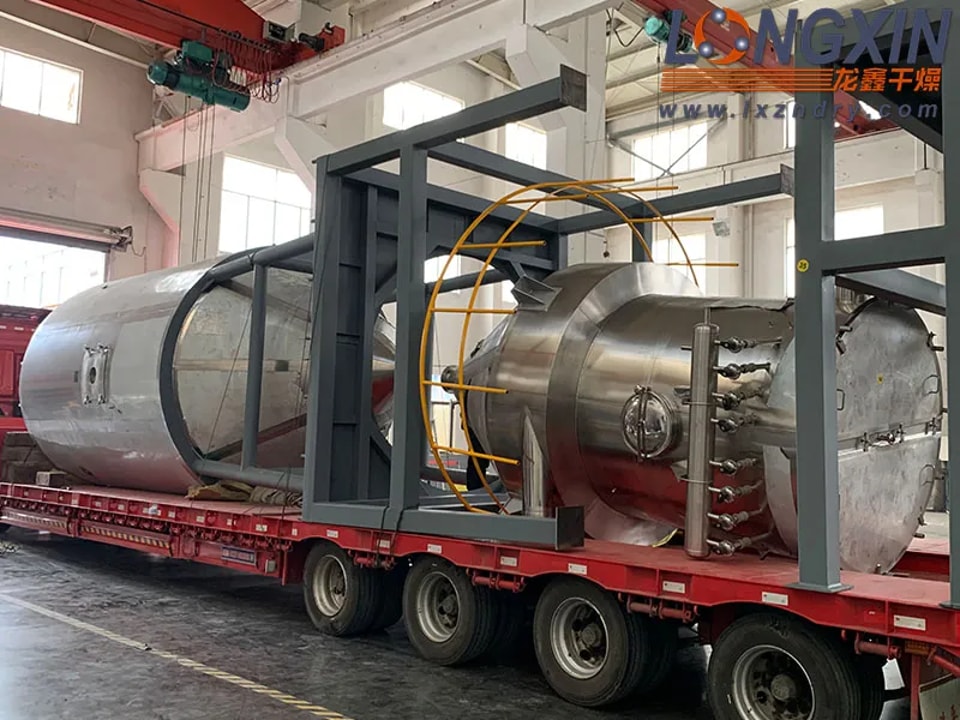 Pursuing Ultrafine & High-Purity Materials: Integrated Nano Milling & Spray Drying Line for Spherical Alumina Diaphragm Thermal Conductive Materials Boosts Lithium Battery SafetyAgainst the backdrop of explosive growth in the new energy vehicle market, battery safety has become the core lifeline of industrial development, and high-performance thermal conductive materials have entered a period of rapid expansion accordingly. Demand for spherical alumina, the leading thermal conductive filler, has surged dramatically.
Spherical alumina used as diaphragm thermal conductive materials must meet stringent standards for ultrafine particle size (precise size control) and high purity (ultra-low impurity content), which calls for collaborative technological breakthroughs in grinding and drying processes. Longxin Intelligent has developed an integrated production line combining high-flow pin-type nano bead mills and high-temperature spray drying towers as a one-stop solution tailored to such requirements. This system comprehensively overcomes bottlenecks of conventional manufacturing processes in grinding throughput, particle size precision, purity assurance and dried powder quality.
Full English Translation of the Complete Article
Pursuing Ultrafine & High-Purity Materials | Integrated Nano Grinding & Spray Drying Production Line for Spherical Alumina Diaphragm Thermal Conductive Materials Empowers Lithium Battery Safety
With the explosive expansion of the new energy vehicle market, its supporting industries have embarked on rapid development. Thermal management, the critical sector directly related to personal safety, generates massive demand for high-performance thermal conductive materials, among which spherical alumina stands as the primary filler with rapidly rising market demand.
Fine alumina serves as a core coating material for lithium-ion battery separators. The main raw materials of separators, polyethylene and polypropylene, feature relatively low melting points and poor thermal stability. Under elevated temperatures, separators tend to shrink significantly or even rupture, triggering battery short circuits. Single-sided or double-sided coating of separators improves their high-temperature stability, mitigating safety hazards such as cathode-anode contact, combustion and explosion caused by thermal shrinkage. Coated separators gain increased thickness, delivering enhanced structural stability and extended service life. When fine alumina is coated onto separators of power batteries for new energy vehicles and consumer lithium batteries, it effectively optimizes the separators’ thermal shrinkage resistance and guarantees battery safety.
Market Demand Analysis: Soaring Demand for Spherical Alumina
Market statistics reveal a remarkable upward trend in spherical alumina consumption. Data from Gaogong Industry Research Institute shows the global thermal conductive powder market reached 5.04 billion RMB in 2022. Spherical alumina thermal powder accounted for 50.8% of the market share, valued at 2.56 billion RMB, representing a year-on-year increase of 30.7%. As the world’s core consumer market, China’s spherical alumina thermal powder market hit 750 million RMB in 2022, growing 41.5% year-on-year. Its global market share has climbed year after year, reaching 29.3% in 2022. Forecasts project China’s market size will surge to 2.1 billion RMB by 2025, with its global proportion rising further to 38.9%.
Behind these figures lies rigid demand for premium spherical alumina from power batteries, electronic control units, drive motors and charging piles for new energy vehicles. The popularization of fast-charging technology creates severe heat dissipation pressure on batteries and electronic components, imposing stricter standards on spherical alumina’s ultrafine particle size and high purity, and pushing the whole industry toward upgraded technical specifications.
Manufacturing Process of High-Purity Alumina Ceramics: Transformation Path from Raw Ore to Precision Finished Products
High-purity alumina ceramics form the foundation of refined alumina products such as spherical alumina. Rigorous production procedures directly determine the performance of downstream materials. The complete workflow consists of four core stages: raw powder preparation, green body forming, high-temperature sintering and precision machining, all requiring precise control over powder purity and fineness.
Raw Powder Preparation: Achieve Ultrafine Granularity & Ultrahigh Purity
The primary objective of this stage is to refine raw materials into ultrafine, high-purity powder. Production starts with bauxite purification. Industrial alumina (Al₂O₃) manufactured via the Bayer process is mixed with sintering additives (e.g. MgO) and fed into ball mills for wet grinding using deionized water or ethanol as the grinding medium. This process breaks particle agglomerates and pulverizes materials down to micron or submicron sizes, drastically boosting powder specific surface area and chemical reactivity for subsequent procedures.
Ground slurry undergoes repeated washing and sedimentation solid-liquid separation to remove soluble impurities and grinding-derived contaminants, securing high raw material purity. Calcination follows at 1200–1400°C to eliminate chemically bound water and complete crystal phase transformation, forming stable α-Al₂O₃. To resolve poor flowability of calcined powder, spray granulation and drying are implemented: powder is mixed with binders and plasticizers to form homogeneous slurry, which is pumped into a spray drying tower and atomized into tiny droplets. Instant contact with hot air produces hollow spherical powder with outstanding flowability, enabling automated forming operations. Bag dust collectors installed throughout drying and conveying processes recover raw materials to cut production costs, maintain a safe workshop environment and comply with environmental regulations.
Green Body Forming: Customized Processes for Diverse Product Specifications
Forming techniques are selected based on finished product requirements:
Uniaxial pressing: Cost-effective for simple flat and cylindrical components;
Isostatic pressing: Transmits uniform omnidirectional pressure via elastic molds to fabricate high-density, homogeneous green bodies for high-performance applications;
Slip casting: Ideal for large thin-walled complex parts;
Extrusion: Continuous manufacturing of tubular and rod-shaped products;
Injection molding: Suits intricate 3D components such as internally threaded parts and micro turbine rotors, delivering high efficiency and consistent dimensional accuracy, with post-sintering debinding required to remove residual binders.
High-Temperature Sintering: The Critical Stage for Ceramic Densification
After forming, green bodies are heated in high-temperature kilns up to 1800°C following precise temperature curves. Material transport mechanisms including diffusion and evaporation-condensation form interparticle necks, promoting grain growth and pore elimination. The final dense, high-strength microstructure endows alumina ceramics with superior mechanical properties and structural stability.
Precision Machining: Diamond Tool Finishing
Sintered alumina ceramics feature extreme hardness and minor shrinkage deformation. Diamond grinding wheels and heads with electroplated or sintered abrasive grains are used to machine flat surfaces, outer circles, inner bores and complex profiles, achieving micron-level dimensional accuracy, geometric tolerances and surface finish to satisfy premium-grade application demands.
Dual-Core Equipment: High-Flow Pin-Type Nano Bead Mill & High-Temperature Spray Drying Tower Empower Ultrafine, High-Purity Spherical Alumina
Stringent requirements for ultrafine particle size and ultra-low impurity content of separator-grade spherical alumina demand collaborative innovation across grinding and drying processes. Longxin Intelligent’s integrated production line pairing high-flow pin-type nano bead mills and high-temperature spray drying towers serves as a tailor-made all-in-one solution, fully resolving traditional process limitations in grinding capacity, particle size control, purity protection and dried powder quality.
Advantages of the High-Flow Pin-Type Nano Bead Mill
The grinding unit addresses traditional equipment’s drawbacks of low throughput, wide particle size distribution and impurity contamination risks:
A composite turbine-pin rotor structure drives materials along a 3D motion path combining circumferential vortex flow and radial impact. Paired with 0.3–0.5 mm zirconia grinding beads, triple forces of shear, collision and extrusion gradually refine particles. Spherical alumina D50 can be stably controlled between 100 nm and 2 μm, with narrower particle size distribution than the industry average, perfectly matching ultrafine powder requirements for separator coating.
A screenless centrifugal separation design eliminates metal screen contact with materials, restricting metallic impurities to an extremely low level and guaranteeing high alumina purity. It also prevents screen clogging caused by high-viscosity slurry or fibrous contaminants, extending continuous operation lifespan several times over conventional equipment and drastically lifting production efficiency.
Advantages of the High-Temperature Spray Drying Tower
The drying tower processes ultrafine slurry post-grinding, preserving particle characteristics while enhancing powder flowability:
Optimized hot air distribution and ultra-high-speed atomization atomize slurry into uniform micro-droplets that instantly dry upon contact with hot air, generating hollow spherical powder. The process retains ultrafine particle sizes achieved in grinding and resolves common issues of ultrafine powder agglomeration and poor flowability, supporting automatic feeding and uniform coating in subsequent separator manufacturing.
A new offline pulse bag dust collector with high-temperature-resistant filter bags and cold air protection system recovers over 99% of ultrafine spherical alumina powder without introducing secondary contamination during drying, further strengthening the product’s purity edge.
Longxin High-Flow Pin-Type Nano Bead Mill: Technical Details Deliver Superior Grinding Performance
As the core grinding equipment, the mill integrates proprietary innovations in structural design, wear-resistant materials and intelligent control to enable reliable ultrafine processing of spherical alumina.
A modular grinding assembly paired with an advanced screen-free separation system breaks the conventional integrated grinding-separation design constraints.
Turbine pin components are manufactured from tungsten carbide (HRC 90 hardness) with specialized surface coatings. Uniform energy density distribution is maintained at rotational speeds of 1200–1800 r/min to avoid localized over-grinding and particle agglomeration, ensuring consistent spherical alumina particle sizes.
The grinding chamber is constructed from silicon carbide (HV 1800+ hardness) with exceptional wear resistance and thermal conductivity. Its service life exceeds stainless steel by 5 times, while thermal conductivity triples that of stainless steel. Combined with jacket cooling, stable operating temperatures are maintained to prevent crystal phase transformation or oxidation of spherical alumina during grinding, securing consistent product performance.
The intelligent control system acts as the equipment’s operational brain. Equipped with PLC modules and real-time temperature, pressure and flow sensors, it continuously collects key process parameters and automatically adjusts rotor speed and feed flow via built-in algorithms. If particle size deviates from set targets, rotational speed is optimized autonomously to stabilize particle dimensions. The mill supports MES system connection, forming a full closed-loop workflow of online monitoring, real-time adjustment and data traceability to meet flexible multi-variety, small-batch production demands. Pre-stored process recipes for different alumina batches drastically shorten product changeover time.
Outstanding economic performance in energy consumption and maintenance: The silicon carbide grinding chamber’s superior heat transfer eliminates extra heat exchangers, cutting unit energy consumption by over 20% vs. traditional mills. High-efficiency small-diameter zirconia beads reduce grinding media consumption by 15% at equivalent throughput. Long-lasting wear-resistant components lower annual maintenance costs by 30%, delivering substantial economic benefits to manufacturers.
High-Temperature Spray Drying Tower: Refined Design Ensures Superior Dried Powder Quality
Customized for spherical alumina slurry drying, the tower features comprehensive technical upgrades covering hot air distribution, atomization, cooling and dust recovery to retain ultrafine particle size, high purity and excellent flowability of finished alumina powder.
CFD fluid dynamics simulation optimizes the hot air distribution system. Simulated internal hot air flow patterns refine air duct geometry and inlet angles to form a uniform, stable swirling airflow field inside the tower. Full contact between atomized droplets and hot air avoids localized overheating that causes particle sintering or degradation, while delivering consistent moisture content across all powder to satisfy strict drying standards for separator coating materials.
Fully self-developed ultra-high-speed centrifugal atomizers deliver reliable performance with rotational speeds ranging from 15,000 to 25,000 r/min. Slurry is atomized into 5–50 μm uniform droplets to ensure consistent powder particle size after drying and eliminate coarse particle impurities. Precision dynamic balancing minimizes operational vibration and failure rates, outperforming competing industrial equipment in continuous run stability.
Interchangeable atomizer disks support diverse process requirements: Flat disks suit low-viscosity slurry to produce fine powder; turbine disks boost atomization efficiency for medium-to-high viscosity feedstock. Multiple disk options expand process adaptability for various grades and batches of spherical alumina.
Combined oil-air dual cooling systems stabilize high-temperature operation: The oil cooling loop rapidly dissipates heat from the atomizer spindle, while auxiliary air cooling maintains atomizer operating temperature below 80°C. The control system monitors atomizer speed, temperature, vibration as well as tower internal temperature and pressure in real time, triggering automatic alarms and parameter adjustments upon abnormalities to prevent equipment thermal damage and sustain uninterrupted production.
Advanced offline pulse bag dust collectors improve recovery efficiency and powder purity: CFD-optimized flow field structures eliminate airflow dead zones, paired with PTFE filter bags resistant to temperatures up to 300°C to capture over 99% of ultrafine alumina powder. Cold air shielding protects filter bags from direct contact with high-temperature hot air to extend service life. Offline ash cleaning enables filter maintenance without production shutdowns, sustaining continuous manufacturing and eliminating cross-contamination during cleaning to preserve alumina purity.
Integrated Multi-Dimensional Energy-Saving Technologies: Longxin Intelligent Develops High-Efficiency, Low-Consumption Spray Drying Systems
Energy optimization for high-temperature spray drying towers relies on deep integration of thermodynamics, fluid mechanics, automation and material processing rather than simple superposition of isolated technologies. Centered on the integrated grinding-drying production line, Longxin Intelligent embeds energy-saving design throughout equipment development, process matching and intelligent operation, achieving a balance of high production performance and low energy use and setting new benchmarks for green manufacturing of high-quality alumina powder.
Hot Air Energy Management to Boost Thermal Efficiency
Optimized inlet-outlet temperature differential: Maximize inlet air temperature within powder moisture specifications to reduce required hot air volume.
Waste heat recovery system: High-temperature exhaust retains 10–20% of process heat, recovered via standard air-air heat exchangers or exhaust recirculation preheating modules. Recovered heat preheats fresh intake air to reduce main heater load and preheats feed slurry to 40–60°C to lower viscosity and improve atomization results.
Precision Process Parameter Control Reduces Energy Use at the Source
Elevated feed solid content: Raising slurry solid loading from 30% to 45–50% cuts evaporation volume by nearly 30%, directly lowering energy consumption by more than 20%. High-solid, low-viscosity slurry output from Longxin nano bead mills enables high-concentration feeding.
Intelligent atomization matching: Variable-frequency centrifugal atomizers dynamically adjust rotational speed based on slurry properties for uniform droplet sizes, preventing secondary drying from oversized droplets or fine powder loss. Consistent atomization shortens drying duration and eliminates wasted thermal energy.
Stable Continuous Feeding
High-precision screw pumps paired with PID flow closed-loop control eliminate temperature fluctuations caused by unstable feed rates, maintaining a steady thermal field inside the tower and avoiding repeated reheating cycles.
4. Optimized Equipment Structure & System Design
High-efficiency dust recovery with offline pulse cleaning achieves >99% powder yield; reduced material loss translates to lower energy consumption per unit product. Automated regular ash cleaning stabilizes system pressure drop and cuts induced draft fan power draw.
5. Intelligent Control System Delivers Dynamic Energy Savings
3D thermal field monitoring: Multi-point temperature sensors installed at air inlet, drying zone and outlet generate real-time thermal distribution models.
Adaptive algorithm parameter tuning: Automatically adjusts inlet air temperature, atomizer speed and exhaust air volume based on feed concentration and ambient temperature/humidity to maintain operation at the minimum effective energy point.
Recipe storage & one-click switching: Pre-sets optimal drying curves for spherical alumina, boehmite, activated alumina and other materials to eliminate energy waste from trial-and-error process adjustments.
Intelligent Production Lines Drive Industrial Upgrading: Ultrafine High-Purity Spherical Alumina Safeguards Lithium Battery Performance
Longxin Intelligent’s integrated spherical alumina grinding and drying line combining high-flow pin-type nano bead mills and high-temperature spray drying towers is far more than a simple combination of machinery. Through process coordination and intelligent full-process control, it delivers consistent ultrafine, high-purity alumina powder that serves as core separator thermal conductive material, fundamentally improving lithium battery safety at the raw material level.
Product Performance Advantages
Spherical alumina manufactured by this line features stable D50 particle sizes and narrow particle size distribution, dispersing evenly in separator coating slurry to form dense, high-thermal-conductivity coating layers. The coating prevents short circuits induced by separator rupture, while the high thermal conductivity of spherical alumina accelerates heat dissipation during battery operation, mitigating localized overheating and lowering risks of combustion and explosion.
2. Production Efficiency & Cost Advantages
The line enables fully continuous spherical alumina manufacturing. The high-flow pin-type nano bead mill delivers hundreds of liters hourly, lifting throughput 2–3 times compared to traditional equipment. Matching drying capacity of the high-temperature spray tower creates seamless grinding-drying workflow integration, boosting daily output of a single line by over 30% vs. batch manufacturing systems. Low energy consumption and minimal maintenance reduce unit production costs of spherical alumina by 15–20%, supporting manufacturers to strengthen market competitiveness without compromising product quality.
Technological Innovation Establishes New Standards for Alumina Ceramic Powder Manufacturing
Looking ahead, new energy vehicles will advance toward longer driving ranges and faster charging, raising performance thresholds for separator thermal conductive materials. Longxin Intelligent will continue deepening R&D into nano grinding and drying technologies: developing more wear-resistant grinding chamber materials, refining intelligent control algorithm precision and expanding multi-device linked unmanned production lines. We will continuously push the limits of spherical alumina particle size and purity control, delivering stronger raw material manufacturing solutions to elevate lithium battery safety performance and fuel high-quality development of the new energy industry.
As a professional equipment manufacturer and technical service provider for refined alumina products including spherical alumina, alumina ceramic powder, ultrafine aluminum hydroxide, boehmite, activated alumina, nano alumina, high-purity alumina and granulated alumina powder, Longxin Intelligent centers its development strategy on technology-driven product upgrading. Our integrated intelligent grinding-drying production lines supply high-consistency refined alumina manufacturing equipment and customized solutions to global clients. We look forward to collaborating with industrial partners to advance refined alumina technology and power innovation across new energy, electronics, medical and other high-tech sectors.
Pursuing Ultrafine & High-Purity Materials: Integrated Nano Milling & Spray Drying Line for Spherical Alumina Diaphragm Thermal Conductive Materials Boosts Lithium Battery Safety
Against the backdrop of explosive growth in the new energy vehicle market, battery safety has become the core lifeline of industrial development, and high-performance thermal conductive materials have entered a period of rapid expansion accordingly. Demand for spherical alumina, the leading thermal conductive filler, has surged dramatically.
Spherical alumina used as diaphragm thermal conductive materials must meet stringent standards for ultrafine particle size (precise size control) and high purity (ultra-low impurity content), which calls for collaborative technological breakthroughs in grinding and drying processes. Longxin Intelligent has developed an integrated production line combining high-flow pin-type nano bead mills and high-temperature spray drying towers as a one-stop solution tailored to such requirements. This system comprehensively overcomes bottlenecks of conventional manufacturing processes in grinding throughput, particle size precision, purity assurance and dried powder quality.Read More
Pursuing Ultrafine & High-Purity Materials: Integrated Nano Milling & Spray Drying Line for Spherical Alumina Diaphragm Thermal Conductive Materials Boosts Lithium Battery SafetyAgainst the backdrop of explosive growth in the new energy vehicle market, battery safety has become the core lifeline of industrial development, and high-performance thermal conductive materials have entered a period of rapid expansion accordingly. Demand for spherical alumina, the leading thermal conductive filler, has surged dramatically.
Spherical alumina used as diaphragm thermal conductive materials must meet stringent standards for ultrafine particle size (precise size control) and high purity (ultra-low impurity content), which calls for collaborative technological breakthroughs in grinding and drying processes. Longxin Intelligent has developed an integrated production line combining high-flow pin-type nano bead mills and high-temperature spray drying towers as a one-stop solution tailored to such requirements. This system comprehensively overcomes bottlenecks of conventional manufacturing processes in grinding throughput, particle size precision, purity assurance and dried powder quality.
Full English Translation of the Complete Article
Pursuing Ultrafine & High-Purity Materials | Integrated Nano Grinding & Spray Drying Production Line for Spherical Alumina Diaphragm Thermal Conductive Materials Empowers Lithium Battery Safety
With the explosive expansion of the new energy vehicle market, its supporting industries have embarked on rapid development. Thermal management, the critical sector directly related to personal safety, generates massive demand for high-performance thermal conductive materials, among which spherical alumina stands as the primary filler with rapidly rising market demand.
Fine alumina serves as a core coating material for lithium-ion battery separators. The main raw materials of separators, polyethylene and polypropylene, feature relatively low melting points and poor thermal stability. Under elevated temperatures, separators tend to shrink significantly or even rupture, triggering battery short circuits. Single-sided or double-sided coating of separators improves their high-temperature stability, mitigating safety hazards such as cathode-anode contact, combustion and explosion caused by thermal shrinkage. Coated separators gain increased thickness, delivering enhanced structural stability and extended service life. When fine alumina is coated onto separators of power batteries for new energy vehicles and consumer lithium batteries, it effectively optimizes the separators’ thermal shrinkage resistance and guarantees battery safety.
Market Demand Analysis: Soaring Demand for Spherical Alumina
Market statistics reveal a remarkable upward trend in spherical alumina consumption. Data from Gaogong Industry Research Institute shows the global thermal conductive powder market reached 5.04 billion RMB in 2022. Spherical alumina thermal powder accounted for 50.8% of the market share, valued at 2.56 billion RMB, representing a year-on-year increase of 30.7%. As the world’s core consumer market, China’s spherical alumina thermal powder market hit 750 million RMB in 2022, growing 41.5% year-on-year. Its global market share has climbed year after year, reaching 29.3% in 2022. Forecasts project China’s market size will surge to 2.1 billion RMB by 2025, with its global proportion rising further to 38.9%.
Behind these figures lies rigid demand for premium spherical alumina from power batteries, electronic control units, drive motors and charging piles for new energy vehicles. The popularization of fast-charging technology creates severe heat dissipation pressure on batteries and electronic components, imposing stricter standards on spherical alumina’s ultrafine particle size and high purity, and pushing the whole industry toward upgraded technical specifications.
Manufacturing Process of High-Purity Alumina Ceramics: Transformation Path from Raw Ore to Precision Finished Products
High-purity alumina ceramics form the foundation of refined alumina products such as spherical alumina. Rigorous production procedures directly determine the performance of downstream materials. The complete workflow consists of four core stages: raw powder preparation, green body forming, high-temperature sintering and precision machining, all requiring precise control over powder purity and fineness.
Raw Powder Preparation: Achieve Ultrafine Granularity & Ultrahigh Purity
The primary objective of this stage is to refine raw materials into ultrafine, high-purity powder. Production starts with bauxite purification. Industrial alumina (Al₂O₃) manufactured via the Bayer process is mixed with sintering additives (e.g. MgO) and fed into ball mills for wet grinding using deionized water or ethanol as the grinding medium. This process breaks particle agglomerates and pulverizes materials down to micron or submicron sizes, drastically boosting powder specific surface area and chemical reactivity for subsequent procedures.
Ground slurry undergoes repeated washing and sedimentation solid-liquid separation to remove soluble impurities and grinding-derived contaminants, securing high raw material purity. Calcination follows at 1200–1400°C to eliminate chemically bound water and complete crystal phase transformation, forming stable α-Al₂O₃. To resolve poor flowability of calcined powder, spray granulation and drying are implemented: powder is mixed with binders and plasticizers to form homogeneous slurry, which is pumped into a spray drying tower and atomized into tiny droplets. Instant contact with hot air produces hollow spherical powder with outstanding flowability, enabling automated forming operations. Bag dust collectors installed throughout drying and conveying processes recover raw materials to cut production costs, maintain a safe workshop environment and comply with environmental regulations.
Green Body Forming: Customized Processes for Diverse Product Specifications
Forming techniques are selected based on finished product requirements:
Uniaxial pressing: Cost-effective for simple flat and cylindrical components;
Isostatic pressing: Transmits uniform omnidirectional pressure via elastic molds to fabricate high-density, homogeneous green bodies for high-performance applications;
Slip casting: Ideal for large thin-walled complex parts;
Extrusion: Continuous manufacturing of tubular and rod-shaped products;
Injection molding: Suits intricate 3D components such as internally threaded parts and micro turbine rotors, delivering high efficiency and consistent dimensional accuracy, with post-sintering debinding required to remove residual binders.
High-Temperature Sintering: The Critical Stage for Ceramic Densification
After forming, green bodies are heated in high-temperature kilns up to 1800°C following precise temperature curves. Material transport mechanisms including diffusion and evaporation-condensation form interparticle necks, promoting grain growth and pore elimination. The final dense, high-strength microstructure endows alumina ceramics with superior mechanical properties and structural stability.
Precision Machining: Diamond Tool Finishing
Sintered alumina ceramics feature extreme hardness and minor shrinkage deformation. Diamond grinding wheels and heads with electroplated or sintered abrasive grains are used to machine flat surfaces, outer circles, inner bores and complex profiles, achieving micron-level dimensional accuracy, geometric tolerances and surface finish to satisfy premium-grade application demands.
Dual-Core Equipment: High-Flow Pin-Type Nano Bead Mill & High-Temperature Spray Drying Tower Empower Ultrafine, High-Purity Spherical Alumina
Stringent requirements for ultrafine particle size and ultra-low impurity content of separator-grade spherical alumina demand collaborative innovation across grinding and drying processes. Longxin Intelligent’s integrated production line pairing high-flow pin-type nano bead mills and high-temperature spray drying towers serves as a tailor-made all-in-one solution, fully resolving traditional process limitations in grinding capacity, particle size control, purity protection and dried powder quality.
Advantages of the High-Flow Pin-Type Nano Bead Mill
The grinding unit addresses traditional equipment’s drawbacks of low throughput, wide particle size distribution and impurity contamination risks:
A composite turbine-pin rotor structure drives materials along a 3D motion path combining circumferential vortex flow and radial impact. Paired with 0.3–0.5 mm zirconia grinding beads, triple forces of shear, collision and extrusion gradually refine particles. Spherical alumina D50 can be stably controlled between 100 nm and 2 μm, with narrower particle size distribution than the industry average, perfectly matching ultrafine powder requirements for separator coating.
A screenless centrifugal separation design eliminates metal screen contact with materials, restricting metallic impurities to an extremely low level and guaranteeing high alumina purity. It also prevents screen clogging caused by high-viscosity slurry or fibrous contaminants, extending continuous operation lifespan several times over conventional equipment and drastically lifting production efficiency.
Advantages of the High-Temperature Spray Drying Tower
The drying tower processes ultrafine slurry post-grinding, preserving particle characteristics while enhancing powder flowability:
Optimized hot air distribution and ultra-high-speed atomization atomize slurry into uniform micro-droplets that instantly dry upon contact with hot air, generating hollow spherical powder. The process retains ultrafine particle sizes achieved in grinding and resolves common issues of ultrafine powder agglomeration and poor flowability, supporting automatic feeding and uniform coating in subsequent separator manufacturing.
A new offline pulse bag dust collector with high-temperature-resistant filter bags and cold air protection system recovers over 99% of ultrafine spherical alumina powder without introducing secondary contamination during drying, further strengthening the product’s purity edge.
Longxin High-Flow Pin-Type Nano Bead Mill: Technical Details Deliver Superior Grinding Performance
As the core grinding equipment, the mill integrates proprietary innovations in structural design, wear-resistant materials and intelligent control to enable reliable ultrafine processing of spherical alumina.
A modular grinding assembly paired with an advanced screen-free separation system breaks the conventional integrated grinding-separation design constraints.
Turbine pin components are manufactured from tungsten carbide (HRC 90 hardness) with specialized surface coatings. Uniform energy density distribution is maintained at rotational speeds of 1200–1800 r/min to avoid localized over-grinding and particle agglomeration, ensuring consistent spherical alumina particle sizes.
The grinding chamber is constructed from silicon carbide (HV 1800+ hardness) with exceptional wear resistance and thermal conductivity. Its service life exceeds stainless steel by 5 times, while thermal conductivity triples that of stainless steel. Combined with jacket cooling, stable operating temperatures are maintained to prevent crystal phase transformation or oxidation of spherical alumina during grinding, securing consistent product performance.
The intelligent control system acts as the equipment’s operational brain. Equipped with PLC modules and real-time temperature, pressure and flow sensors, it continuously collects key process parameters and automatically adjusts rotor speed and feed flow via built-in algorithms. If particle size deviates from set targets, rotational speed is optimized autonomously to stabilize particle dimensions. The mill supports MES system connection, forming a full closed-loop workflow of online monitoring, real-time adjustment and data traceability to meet flexible multi-variety, small-batch production demands. Pre-stored process recipes for different alumina batches drastically shorten product changeover time.
Outstanding economic performance in energy consumption and maintenance: The silicon carbide grinding chamber’s superior heat transfer eliminates extra heat exchangers, cutting unit energy consumption by over 20% vs. traditional mills. High-efficiency small-diameter zirconia beads reduce grinding media consumption by 15% at equivalent throughput. Long-lasting wear-resistant components lower annual maintenance costs by 30%, delivering substantial economic benefits to manufacturers.
High-Temperature Spray Drying Tower: Refined Design Ensures Superior Dried Powder Quality
Customized for spherical alumina slurry drying, the tower features comprehensive technical upgrades covering hot air distribution, atomization, cooling and dust recovery to retain ultrafine particle size, high purity and excellent flowability of finished alumina powder.
CFD fluid dynamics simulation optimizes the hot air distribution system. Simulated internal hot air flow patterns refine air duct geometry and inlet angles to form a uniform, stable swirling airflow field inside the tower. Full contact between atomized droplets and hot air avoids localized overheating that causes particle sintering or degradation, while delivering consistent moisture content across all powder to satisfy strict drying standards for separator coating materials.
Fully self-developed ultra-high-speed centrifugal atomizers deliver reliable performance with rotational speeds ranging from 15,000 to 25,000 r/min. Slurry is atomized into 5–50 μm uniform droplets to ensure consistent powder particle size after drying and eliminate coarse particle impurities. Precision dynamic balancing minimizes operational vibration and failure rates, outperforming competing industrial equipment in continuous run stability.
Interchangeable atomizer disks support diverse process requirements: Flat disks suit low-viscosity slurry to produce fine powder; turbine disks boost atomization efficiency for medium-to-high viscosity feedstock. Multiple disk options expand process adaptability for various grades and batches of spherical alumina.
Combined oil-air dual cooling systems stabilize high-temperature operation: The oil cooling loop rapidly dissipates heat from the atomizer spindle, while auxiliary air cooling maintains atomizer operating temperature below 80°C. The control system monitors atomizer speed, temperature, vibration as well as tower internal temperature and pressure in real time, triggering automatic alarms and parameter adjustments upon abnormalities to prevent equipment thermal damage and sustain uninterrupted production.
Advanced offline pulse bag dust collectors improve recovery efficiency and powder purity: CFD-optimized flow field structures eliminate airflow dead zones, paired with PTFE filter bags resistant to temperatures up to 300°C to capture over 99% of ultrafine alumina powder. Cold air shielding protects filter bags from direct contact with high-temperature hot air to extend service life. Offline ash cleaning enables filter maintenance without production shutdowns, sustaining continuous manufacturing and eliminating cross-contamination during cleaning to preserve alumina purity.
Integrated Multi-Dimensional Energy-Saving Technologies: Longxin Intelligent Develops High-Efficiency, Low-Consumption Spray Drying Systems
Energy optimization for high-temperature spray drying towers relies on deep integration of thermodynamics, fluid mechanics, automation and material processing rather than simple superposition of isolated technologies. Centered on the integrated grinding-drying production line, Longxin Intelligent embeds energy-saving design throughout equipment development, process matching and intelligent operation, achieving a balance of high production performance and low energy use and setting new benchmarks for green manufacturing of high-quality alumina powder.
Hot Air Energy Management to Boost Thermal Efficiency
Optimized inlet-outlet temperature differential: Maximize inlet air temperature within powder moisture specifications to reduce required hot air volume.
Waste heat recovery system: High-temperature exhaust retains 10–20% of process heat, recovered via standard air-air heat exchangers or exhaust recirculation preheating modules. Recovered heat preheats fresh intake air to reduce main heater load and preheats feed slurry to 40–60°C to lower viscosity and improve atomization results.
Precision Process Parameter Control Reduces Energy Use at the Source
Elevated feed solid content: Raising slurry solid loading from 30% to 45–50% cuts evaporation volume by nearly 30%, directly lowering energy consumption by more than 20%. High-solid, low-viscosity slurry output from Longxin nano bead mills enables high-concentration feeding.
Intelligent atomization matching: Variable-frequency centrifugal atomizers dynamically adjust rotational speed based on slurry properties for uniform droplet sizes, preventing secondary drying from oversized droplets or fine powder loss. Consistent atomization shortens drying duration and eliminates wasted thermal energy.
Stable Continuous Feeding
High-precision screw pumps paired with PID flow closed-loop control eliminate temperature fluctuations caused by unstable feed rates, maintaining a steady thermal field inside the tower and avoiding repeated reheating cycles.
4. Optimized Equipment Structure & System Design
High-efficiency dust recovery with offline pulse cleaning achieves >99% powder yield; reduced material loss translates to lower energy consumption per unit product. Automated regular ash cleaning stabilizes system pressure drop and cuts induced draft fan power draw.
5. Intelligent Control System Delivers Dynamic Energy Savings
3D thermal field monitoring: Multi-point temperature sensors installed at air inlet, drying zone and outlet generate real-time thermal distribution models.
Adaptive algorithm parameter tuning: Automatically adjusts inlet air temperature, atomizer speed and exhaust air volume based on feed concentration and ambient temperature/humidity to maintain operation at the minimum effective energy point.
Recipe storage & one-click switching: Pre-sets optimal drying curves for spherical alumina, boehmite, activated alumina and other materials to eliminate energy waste from trial-and-error process adjustments.
Intelligent Production Lines Drive Industrial Upgrading: Ultrafine High-Purity Spherical Alumina Safeguards Lithium Battery Performance
Longxin Intelligent’s integrated spherical alumina grinding and drying line combining high-flow pin-type nano bead mills and high-temperature spray drying towers is far more than a simple combination of machinery. Through process coordination and intelligent full-process control, it delivers consistent ultrafine, high-purity alumina powder that serves as core separator thermal conductive material, fundamentally improving lithium battery safety at the raw material level.
Product Performance Advantages
Spherical alumina manufactured by this line features stable D50 particle sizes and narrow particle size distribution, dispersing evenly in separator coating slurry to form dense, high-thermal-conductivity coating layers. The coating prevents short circuits induced by separator rupture, while the high thermal conductivity of spherical alumina accelerates heat dissipation during battery operation, mitigating localized overheating and lowering risks of combustion and explosion.
2. Production Efficiency & Cost Advantages
The line enables fully continuous spherical alumina manufacturing. The high-flow pin-type nano bead mill delivers hundreds of liters hourly, lifting throughput 2–3 times compared to traditional equipment. Matching drying capacity of the high-temperature spray tower creates seamless grinding-drying workflow integration, boosting daily output of a single line by over 30% vs. batch manufacturing systems. Low energy consumption and minimal maintenance reduce unit production costs of spherical alumina by 15–20%, supporting manufacturers to strengthen market competitiveness without compromising product quality.
Technological Innovation Establishes New Standards for Alumina Ceramic Powder Manufacturing
Looking ahead, new energy vehicles will advance toward longer driving ranges and faster charging, raising performance thresholds for separator thermal conductive materials. Longxin Intelligent will continue deepening R&D into nano grinding and drying technologies: developing more wear-resistant grinding chamber materials, refining intelligent control algorithm precision and expanding multi-device linked unmanned production lines. We will continuously push the limits of spherical alumina particle size and purity control, delivering stronger raw material manufacturing solutions to elevate lithium battery safety performance and fuel high-quality development of the new energy industry.
As a professional equipment manufacturer and technical service provider for refined alumina products including spherical alumina, alumina ceramic powder, ultrafine aluminum hydroxide, boehmite, activated alumina, nano alumina, high-purity alumina and granulated alumina powder, Longxin Intelligent centers its development strategy on technology-driven product upgrading. Our integrated intelligent grinding-drying production lines supply high-consistency refined alumina manufacturing equipment and customized solutions to global clients. We look forward to collaborating with industrial partners to advance refined alumina technology and power innovation across new energy, electronics, medical and other high-tech sectors.
Pursuing Ultrafine & High-Purity Materials: Integrated Nano Milling & Spray Drying Line for Spherical Alumina Diaphragm Thermal Conductive Materials Boosts Lithium Battery Safety
Against the backdrop of explosive growth in the new energy vehicle market, battery safety has become the core lifeline of industrial development, and high-performance thermal conductive materials have entered a period of rapid expansion accordingly. Demand for spherical alumina, the leading thermal conductive filler, has surged dramatically.
Spherical alumina used as diaphragm thermal conductive materials must meet stringent standards for ultrafine particle size (precise size control) and high purity (ultra-low impurity content), which calls for collaborative technological breakthroughs in grinding and drying processes. Longxin Intelligent has developed an integrated production line combining high-flow pin-type nano bead mills and high-temperature spray drying towers as a one-stop solution tailored to such requirements. This system comprehensively overcomes bottlenecks of conventional manufacturing processes in grinding throughput, particle size precision, purity assurance and dried powder quality.Read More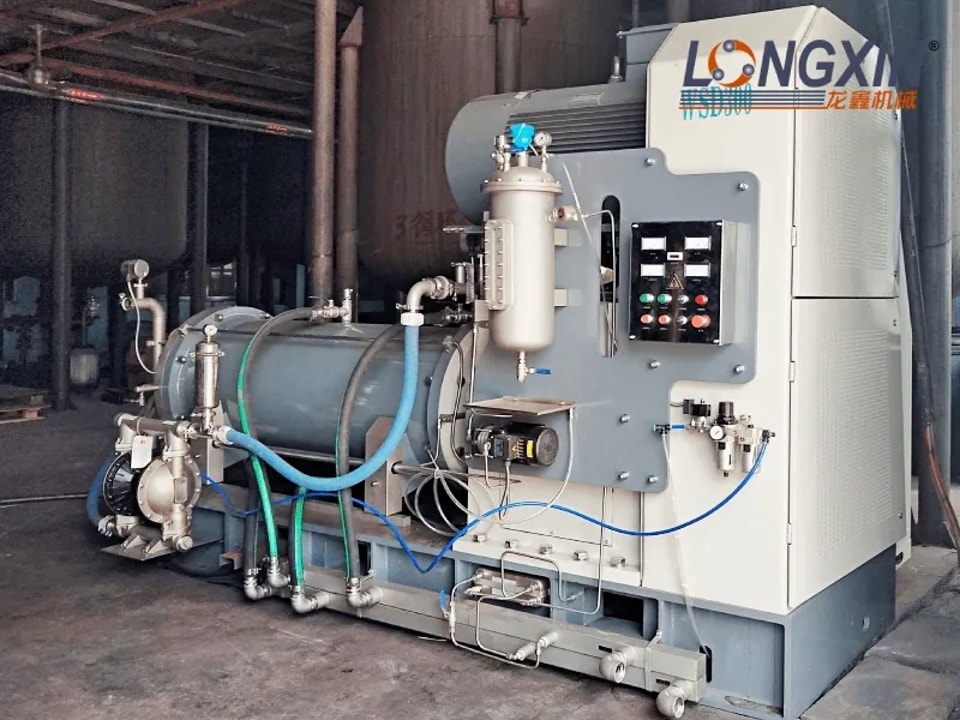 New Craftsmanship Powers a Brighter Future | Automated Production Line of High-Flow Disc Bead Mill & Spray Granulation Dryer Enables Industrial Manufacturing of DF Dry FlowablesDriven by the sustainable development of agrochemicals and the transition to green pesticides, high-efficiency, eco-friendly and safe pesticide formulations have become the mainstream trend of the industry. As an advanced solid formulation featuring water-based composition, dust-free operation and outstanding dispersibility, Dry Flowable (DF) agents stand out for their superior suspension rate, wettability and disintegration speed alongside eco-friendly attributes. In recent years, market demand for DF has kept rising steadily, with wide applications in insecticides, fungicides, herbicides and other products. Institutional forecasts project that the global DF formulation market will register an annual compound growth rate exceeding 8% over the next five years. In key agricultural markets including Europe, America, Southeast Asia and China, policy incentives and growing end-user demand for green plant protection products are accelerating the phase-out of traditional emulsifiable concentrates and wettable powders in favor of eco-friendly new formulations such as DF.
Against this backdrop, realizing high-quality, large-scale, intelligent and clean industrial production of DF has become a core challenge for pesticide chemical enterprises undergoing transformation and upgrading. Drawing on years of profound expertise in fine chemicals, Longxin Intelligent has innovatively launched an automated production line integrating high-flow disc bead mills and spray granulation dryers. Pioneering a new era of DF industrialization with its proprietary "Xin" craftsmanship, this integrated line empowers clients to boost productivity, upgrade product quality, cut costs and reduce carbon emissions, and propel China’s pesticide formulation industry toward high-end and green development.
Analysis of DF Production Technology: A Systematic Process from Milling to Drying
The preparation of DF generally consists of five core procedures: technical material pretreatment, wet grinding, stabilizing dispersion, spray granulation and drying, as well as sieving and packaging. Among these, ultrafine wet grinding and spray granulation drying are the critical processes determining DF product quality and production capacity.
Conventional DF manufacturing mostly adopts batch ball mills or basket bead mills paired with fluidized bed dryers, plagued by low grinding efficiency, inconsistent batch quality, high energy consumption and severe dust pollution. Such outdated setups fail to meet the strict requirements of modern pesticide manufacturers for continuous, automated and clean production. Targeting these pain points, the integrated grinding and drying automatic production line independently developed by Longxin Intelligent delivers full closed-loop control from slurry preparation to finished product discharge through process integration and equipment innovation.
The complete production line takes the high-flow disc bead mill as the front-end core to complete nano-scale ultrafine grinding of active ingredients, followed by a DF-specialized spray granulation dryer that converts homogeneous and stable slurry directly into free-flowing pellets with controllable moisture content and narrow particle size distribution. Equipped with a PLC central control system, online monitoring modules, temperature & humidity sensor networks and a Clean-in-Place (CIP) one-touch cleaning system, the line supports unattended intelligent operation and precise quality control.
Breakthrough Proprietary Craftsmanship: Synergistic Advantages of High-Flow Disc Bead Mill & Spray Granulation Dryer for DF Industrialization
Longxin Intelligent’s combined solution of high-flow disc bead mill and spray granulation dryer is far more than a simple series connection of equipment; it represents in-depth integration of process logic, energy matching and intelligent control, forming an efficient tandem system for DF mass production.
High-Efficiency Milling to Guarantee Superior Slurry Quality
The high-flow disc bead mill adopts double mechanical end-face seals, polyurethane liners and high-density zirconia grinding media, paired with an optimized rotor structural design. It delivers continuous grinding capacity of several tons per hour with low energy consumption. Its unique cooling system maintains stable temperature during long-hour operation to prevent thermal decomposition of heat-sensitive technical materials. Post-grinding slurry achieves a D90 particle size of 1–10 μm, providing high-stability, low-viscosity feedstock ideal for subsequent spray drying.
Precision Drying for One-Step Pellet Forming
The matched DF-specific spray granulation dryer employs pressure atomization combined with co-current/mixed-flow drying modes, equipped with adjustable hot air distributors and multi-stage cyclone separation systems to ensure uniform heating and controllable residence time of pellets inside the drying tower. The finished DF pellets are nearly spherical with excellent flowability, moisture content below 0.5% and rapid disintegration performance, fully complying with technical specifications for DF formulations.
Automated Integration to Improve Overall System Efficiency
The entire production line realizes interlinked operation via the central control system. All procedures including feed metering, grinding parameter adjustment, drying temperature curve setting and finished product packaging are monitored digitally throughout the workflow. Built-in online detectors feed back real-time slurry particle size variations to dynamically adjust the rotational speed of the bead mill; high-precision temperature sensors conduct non-contact drying inspection to guarantee consistent finished product quality. Notably, the embedded one-touch CIP cleaning system carries out programmed flushing for grinding chambers, conveying pipelines and nozzle assemblies, effectively eliminating cross-contamination between batches and greatly enhancing flexibility and safety for multi-product switching.
Core Technology Unveiled: Innovative Breakthroughs of Longxin High-Flow Disc Bead Mill
Custom-engineered for high-solid-content and high-viscosity pesticide slurries, the high-flow disc bead mill developed by Longxin Drying boasts the following technical strengths:
Ultra-High Capacity Design: Single-unit throughput reaches approximately 1 ton per hour, compatible with thousand-ton-scale DF production lines;
Efficient Energy Conversion: Variable-frequency drive motors and multi-stage disc rotors lift grinding efficiency by over 40% compared with conventional equipment;
Long-Service Wear-Resistant Construction: Inner cylinders, rotors and separation screens are manufactured from yttria-stabilized zirconia ceramics, offering superior corrosion and abrasion resistance with a service life three times longer than standard alternatives;
Intelligent Temperature Control System: Jacket circulating cooling plus internal forced heat dissipation minimizes temperature fluctuations within the grinding zone;
Modular Configuration: Easy disassembly and maintenance, supporting rapid replacement of grinding media and screen specifications to accommodate diverse product process requirements.
Custom-Built Equipment: Technical Highlights of DF-Specific Spray Granulation Dryer
Tailored to DF’s unique demands for pellet morphology, flowability and residual solvent levels, Longxin Drying has developed a full series of DF-dedicated spray granulation dryers featuring the following core merits:
Pressure Atomization System: Fitted with high-precision ceramic nozzles for concentrated atomized particle size distribution and uniform granulation;
Anti-Adhesion Tower Design: Tower wall pulse vibration hammers paired with an upgraded uniform air distribution system effectively avoid wet powder adhesion;
Multi-Stage Material Recovery Setup: A three-level recovery system consisting of primary cyclone separators, bag dust collectors and wet scrubbers achieves a powder recovery rate exceeding 99.5%;
Optional Inert Gas Protection: A nitrogen-circulating closed drying module is available for formulations involving flammable solvents to ensure production safety.
New Craftsmanship Powers a Brighter Future: Building a New Intelligent Engine for Green Agriculture
The Chinese character "Xin" embodies exquisite craftsmanship and the source of technological innovation. Centered on proprietary "Xin" craftsmanship, Longxin Drying’s fully automated DF production line combining high-flow disc bead mills and spray granulation dryers represents not merely equipment upgrades, but a revolutionary shift in manufacturing philosophy. Supported by three core pillars — high efficiency, environmental friendliness and operational safety — the line aligns with the global trend toward greener and reduced-usage pesticide formulations, serving as a vital tool to advance the green transformation of agriculture.
The brand-new DF production unit integrates an advanced real-time monitoring platform that digitally governs all key parameters throughout the workflow, including temperature, humidity, particle size, air volume and pressure. Intelligent online inspection delivers ultra-precise moisture control, while the one-touch cleaning system enables automatic sanitation of equipment and pipelines to eliminate cross-contamination risks at the source. This DF production line transforms liquid raw materials into solid finished goods and shifts manual operation to full automation and intelligence. It embodies the ingenuity of every R&D engineer, where high-end proprietary equipment and self-developed processes converge to deliver more intelligent and stable manufacturing.
Looking ahead, Longxin Drying will continue to deepen its focus on pesticide formulation equipment, driving industrial upgrading through technological innovation and supplying globally competitive turnkey solutions to clients worldwide. We firmly believe that our proprietary "Xin" craftsmanship secures not only immediate advantages but also a prosperous future — an intelligent, efficient and greener new era for modern agriculture.Read More
New Craftsmanship Powers a Brighter Future | Automated Production Line of High-Flow Disc Bead Mill & Spray Granulation Dryer Enables Industrial Manufacturing of DF Dry FlowablesDriven by the sustainable development of agrochemicals and the transition to green pesticides, high-efficiency, eco-friendly and safe pesticide formulations have become the mainstream trend of the industry. As an advanced solid formulation featuring water-based composition, dust-free operation and outstanding dispersibility, Dry Flowable (DF) agents stand out for their superior suspension rate, wettability and disintegration speed alongside eco-friendly attributes. In recent years, market demand for DF has kept rising steadily, with wide applications in insecticides, fungicides, herbicides and other products. Institutional forecasts project that the global DF formulation market will register an annual compound growth rate exceeding 8% over the next five years. In key agricultural markets including Europe, America, Southeast Asia and China, policy incentives and growing end-user demand for green plant protection products are accelerating the phase-out of traditional emulsifiable concentrates and wettable powders in favor of eco-friendly new formulations such as DF.
Against this backdrop, realizing high-quality, large-scale, intelligent and clean industrial production of DF has become a core challenge for pesticide chemical enterprises undergoing transformation and upgrading. Drawing on years of profound expertise in fine chemicals, Longxin Intelligent has innovatively launched an automated production line integrating high-flow disc bead mills and spray granulation dryers. Pioneering a new era of DF industrialization with its proprietary "Xin" craftsmanship, this integrated line empowers clients to boost productivity, upgrade product quality, cut costs and reduce carbon emissions, and propel China’s pesticide formulation industry toward high-end and green development.
Analysis of DF Production Technology: A Systematic Process from Milling to Drying
The preparation of DF generally consists of five core procedures: technical material pretreatment, wet grinding, stabilizing dispersion, spray granulation and drying, as well as sieving and packaging. Among these, ultrafine wet grinding and spray granulation drying are the critical processes determining DF product quality and production capacity.
Conventional DF manufacturing mostly adopts batch ball mills or basket bead mills paired with fluidized bed dryers, plagued by low grinding efficiency, inconsistent batch quality, high energy consumption and severe dust pollution. Such outdated setups fail to meet the strict requirements of modern pesticide manufacturers for continuous, automated and clean production. Targeting these pain points, the integrated grinding and drying automatic production line independently developed by Longxin Intelligent delivers full closed-loop control from slurry preparation to finished product discharge through process integration and equipment innovation.
The complete production line takes the high-flow disc bead mill as the front-end core to complete nano-scale ultrafine grinding of active ingredients, followed by a DF-specialized spray granulation dryer that converts homogeneous and stable slurry directly into free-flowing pellets with controllable moisture content and narrow particle size distribution. Equipped with a PLC central control system, online monitoring modules, temperature & humidity sensor networks and a Clean-in-Place (CIP) one-touch cleaning system, the line supports unattended intelligent operation and precise quality control.
Breakthrough Proprietary Craftsmanship: Synergistic Advantages of High-Flow Disc Bead Mill & Spray Granulation Dryer for DF Industrialization
Longxin Intelligent’s combined solution of high-flow disc bead mill and spray granulation dryer is far more than a simple series connection of equipment; it represents in-depth integration of process logic, energy matching and intelligent control, forming an efficient tandem system for DF mass production.
High-Efficiency Milling to Guarantee Superior Slurry Quality
The high-flow disc bead mill adopts double mechanical end-face seals, polyurethane liners and high-density zirconia grinding media, paired with an optimized rotor structural design. It delivers continuous grinding capacity of several tons per hour with low energy consumption. Its unique cooling system maintains stable temperature during long-hour operation to prevent thermal decomposition of heat-sensitive technical materials. Post-grinding slurry achieves a D90 particle size of 1–10 μm, providing high-stability, low-viscosity feedstock ideal for subsequent spray drying.
Precision Drying for One-Step Pellet Forming
The matched DF-specific spray granulation dryer employs pressure atomization combined with co-current/mixed-flow drying modes, equipped with adjustable hot air distributors and multi-stage cyclone separation systems to ensure uniform heating and controllable residence time of pellets inside the drying tower. The finished DF pellets are nearly spherical with excellent flowability, moisture content below 0.5% and rapid disintegration performance, fully complying with technical specifications for DF formulations.
Automated Integration to Improve Overall System Efficiency
The entire production line realizes interlinked operation via the central control system. All procedures including feed metering, grinding parameter adjustment, drying temperature curve setting and finished product packaging are monitored digitally throughout the workflow. Built-in online detectors feed back real-time slurry particle size variations to dynamically adjust the rotational speed of the bead mill; high-precision temperature sensors conduct non-contact drying inspection to guarantee consistent finished product quality. Notably, the embedded one-touch CIP cleaning system carries out programmed flushing for grinding chambers, conveying pipelines and nozzle assemblies, effectively eliminating cross-contamination between batches and greatly enhancing flexibility and safety for multi-product switching.
Core Technology Unveiled: Innovative Breakthroughs of Longxin High-Flow Disc Bead Mill
Custom-engineered for high-solid-content and high-viscosity pesticide slurries, the high-flow disc bead mill developed by Longxin Drying boasts the following technical strengths:
Ultra-High Capacity Design: Single-unit throughput reaches approximately 1 ton per hour, compatible with thousand-ton-scale DF production lines;
Efficient Energy Conversion: Variable-frequency drive motors and multi-stage disc rotors lift grinding efficiency by over 40% compared with conventional equipment;
Long-Service Wear-Resistant Construction: Inner cylinders, rotors and separation screens are manufactured from yttria-stabilized zirconia ceramics, offering superior corrosion and abrasion resistance with a service life three times longer than standard alternatives;
Intelligent Temperature Control System: Jacket circulating cooling plus internal forced heat dissipation minimizes temperature fluctuations within the grinding zone;
Modular Configuration: Easy disassembly and maintenance, supporting rapid replacement of grinding media and screen specifications to accommodate diverse product process requirements.
Custom-Built Equipment: Technical Highlights of DF-Specific Spray Granulation Dryer
Tailored to DF’s unique demands for pellet morphology, flowability and residual solvent levels, Longxin Drying has developed a full series of DF-dedicated spray granulation dryers featuring the following core merits:
Pressure Atomization System: Fitted with high-precision ceramic nozzles for concentrated atomized particle size distribution and uniform granulation;
Anti-Adhesion Tower Design: Tower wall pulse vibration hammers paired with an upgraded uniform air distribution system effectively avoid wet powder adhesion;
Multi-Stage Material Recovery Setup: A three-level recovery system consisting of primary cyclone separators, bag dust collectors and wet scrubbers achieves a powder recovery rate exceeding 99.5%;
Optional Inert Gas Protection: A nitrogen-circulating closed drying module is available for formulations involving flammable solvents to ensure production safety.
New Craftsmanship Powers a Brighter Future: Building a New Intelligent Engine for Green Agriculture
The Chinese character "Xin" embodies exquisite craftsmanship and the source of technological innovation. Centered on proprietary "Xin" craftsmanship, Longxin Drying’s fully automated DF production line combining high-flow disc bead mills and spray granulation dryers represents not merely equipment upgrades, but a revolutionary shift in manufacturing philosophy. Supported by three core pillars — high efficiency, environmental friendliness and operational safety — the line aligns with the global trend toward greener and reduced-usage pesticide formulations, serving as a vital tool to advance the green transformation of agriculture.
The brand-new DF production unit integrates an advanced real-time monitoring platform that digitally governs all key parameters throughout the workflow, including temperature, humidity, particle size, air volume and pressure. Intelligent online inspection delivers ultra-precise moisture control, while the one-touch cleaning system enables automatic sanitation of equipment and pipelines to eliminate cross-contamination risks at the source. This DF production line transforms liquid raw materials into solid finished goods and shifts manual operation to full automation and intelligence. It embodies the ingenuity of every R&D engineer, where high-end proprietary equipment and self-developed processes converge to deliver more intelligent and stable manufacturing.
Looking ahead, Longxin Drying will continue to deepen its focus on pesticide formulation equipment, driving industrial upgrading through technological innovation and supplying globally competitive turnkey solutions to clients worldwide. We firmly believe that our proprietary "Xin" craftsmanship secures not only immediate advantages but also a prosperous future — an intelligent, efficient and greener new era for modern agriculture.Read More Leveraging the Huge Health Market: Oligosaccharide Spray Dryers Usher in a New Era of High-Quality Functional SugarsFueled by the steady implementation of the Healthy China 2030 Strategy and consumption upgrading, the big health industry is witnessing tremendous growth opportunities. As a core segment of the big health sector, functional food has become the key driver for transformation and upgrading within the food manufacturing industry.
Oligosaccharides, a mainstream type of prebiotics widely popular in functional foods, deliver multiple physiological benefits: regulating intestinal flora, boosting immunity, low calorific value and anti-cavity properties. They are rapidly applied in dairy products, beverages, baked goods, health care products, pharmaceuticals and many other fields, accompanied by continuously rising market demand.
However, as the market sets higher standards for oligosaccharide product quality, traditional spray drying processes are confronted with prominent challenges. Especially when converting oligosaccharide syrup into high-purity, high-flowability powder, conventional equipment suffers from multiple technical bottlenecks that greatly limit improvements in product quality and production efficiency.
Three Core Pain Points of Traditional Equipment for Oligosaccharide Spray Drying
Heavy wall adhesion due to high-viscosity oligosaccharide syrup
Oligosaccharides feature complex molecular structures, so atomized syrup droplets remain highly adhesive. If the drying system is poorly designed, droplets will stick to the inner wall of the drying tower, causing material loss, difficult cleaning, and even halts in continuous production.
Inadequate drying and poor moisture control
Many existing devices adopt drying towers with insufficient effective volume or underpowered heating systems. Atomized droplets cannot be fully dried within limited residence time, resulting in finished powder with excessive moisture. This undermines the solubility and flowability of products, and may trigger caking, mildew and other quality hazards, severely impairing performance in downstream end products.
Defective structural design leading to severe powder buildup on tower walls
Problems including excessively large tower cone angles, unreasonable air outlet layout and uneven hot air distribution create turbulent airflow. Partially dried materials collide with and adhere to the tower wall ahead of schedule. Besides, unsatisfactory atomization or excessive spray distance causes droplets to hit the tower wall before full drying, forming wet powder agglomerates and lowering product yield and purity.
More critically, residual powder left uncleaned will carbonize in high-temperature areas such as the tower top and generate black spots, which directly contaminate finished products and damage product appearance and food safety.
To tackle these common industry-wide hurdles, Longxin Drying relies on technological innovation, conducts in-depth research on the material properties and drying mechanisms of oligosaccharides, and releases the new-generation YPG Pressure Spray Drying & Cooling Unit. Custom-designed for functional sugars, sugar alcohols and food additive manufacturers, this unit fully breaks through the technical bottlenecks of oligosaccharide spray drying.
Innovation as the Core of Progress: Technical Breakthroughs of Longxin Pressure Spray Dryers
Integrating high-efficiency drying, precision granulation, intelligent control and energy conservation, Longxin YPG Pressure Spray Dryer adopts six coordinated optimized core systems to reinvent advanced drying technologies for functional sugars.
Intelligent Feeding System Ensuring Stable Conveyance
Equipped with high-precision diaphragm pumps and an online viscosity monitoring device, the system enables stable high-pressure delivery of high-viscosity oligosaccharide syrup to the atomizer, eliminating pulsation and blockage to realize consistent and uninterrupted feeding.
Precision Atomization System Enabling Micron-Scale Droplet Control
Fitted with multi-channel pressure atomizers with adjustable nozzle diameters (0.5–3.0 mm) and atomization angles (60°–90°), the machine atomizes syrup into ultrafine droplets of 10–200 μm. Its specific surface area reaches 500–1500 ㎡/kg, greatly accelerating water evaporation and shortening drying time to 15–60 seconds, making it perfectly suitable for heat-sensitive materials.
Dynamic Drying System Optimizing Airflow and Thermal Field Distribution
The self-developed 3D three-dimensional hot air distributor delivers evenly distributed hot air with minimal wind speed deviation. Combined with a drying tower with optimized cone angle, the design eliminates airflow dead zones and avoids material wall adhesion. The tower body is fitted with an automatic air hammer/electric hammer knocking system and a cooling air ring at the lower cone to prevent burnt powder.
Multi-Stage Separation System Boosting Recovery Rate and Purity
A dual-stage powder collection setup consisting of cyclone separators and pulse back-blow bag dust collectors achieves a total material recovery rate of over 95%. The automatic pulse back-blow function clears powder accumulated on filter bags, preventing air volume drop caused by filter blockage and securing long-term stable system operation.
Modular Secondary Treatment Meeting Diversified Production Needs
Clients can optionally install a ZLG vibrating fluidized bed secondary drying system to further reduce powder moisture and improve flowability; or integrate a CIP clean-in-place system to realize automatic cleaning and sterilization, complying with strict hygiene and safety standards.
Intelligent Control System Realizing Full-Process Automation
Adopting Siemens PLC + touch screen control system, it monitors real-time key parameters including inlet/outlet air temperature, feed liquid pressure and tower negative pressure, and supports remote monitoring and data recording. Advanced PID control algorithms stabilize production processes, reduce manual intervention and guarantee consistent batch quality.
From Capable Drying to Premium Drying: Longxin Fuels the Upgrade of the Functional Sugar Industry
Centered on maximizing customer value, Longxin Drying provides full-lifecycle services targeting the drying demands of high-value products such as oligosaccharides and sugar alcohols, covering process design, pilot test verification and turnkey projects. We help customers achieve production goals of high yield, high purity, low energy consumption and low failure rate.
Against the backdrop of the booming big health industry, the functional sugar sector is shifting from extensive production to refined precision manufacturing. As a pioneer in spray drying technological innovation, Longxin Drying will keep focusing on the functional sugar drying sector, empower industrial upgrading with innovative technologies, assist customers in gaining an upper hand in fierce market competition, and jointly write a new chapter for high-quality development of functional sugars.
Longxin Spray Dryers — Every particle of functional sugar carries the weight of health!Read MoreAgainst the sweeping AI wave, domestic substitution of MLCCs is accelerating: How Longxin’s barium titanate nano sand mill and intelligent spray drying production line break the bottlenecks restricting the industrialization of electronic ceramic materialsDomestic Substitution of MLCCs Accelerated by AI Boom: Analysis of Market Demand and Trends for Barium Titanate Ceramic Powders
Amid the rapid advancement of artificial intelligence, booming demand for high-performance electronic components has emerged across emerging sectors including 5G communications, the Internet of Things (IoT), and automotive electronics. Known as the "industrial staple", MLCCs (Multi-Layer Ceramic Capacitors) stand as indispensable foundational components in electronic circuits of the AI era, thanks to their high capacitance, stable performance and outstanding reliability. Statistics indicate that high-end 4G smartphones adopt 900–1,100 MLCCs, while the figure rises to 990–1,320 units for premium 5G handsets. New energy vehicles require five times more MLCCs than conventional fuel-powered cars in their power systems, ranging from 2,000 to 2,500 pieces. Driven by the growing penetration of AI terminal devices, the global MLCC market is projected to reach 149 billion RMB by 2025. As the world’s largest MLCC market, China accounts for approximately 45% of global consumption, unlocking enormous room for domestic substitution.
As a pillar material for the electronic ceramics industry, barium titanate (BaTiO₃) serves as the core dielectric raw material for MLCCs, boasting a high dielectric constant, low dielectric loss, and excellent ferroelectric and insulating properties. High-purity nano-scale barium titanate powder has become the mainstream market requirement. After sintering, such powder forms dense sintered bodies with an even particle size distribution, which not only improves the toughness and strength of ceramics but also lowers sintering temperatures to cut energy costs. Nevertheless, the global market for high-end MLCC formulation powder is currently monopolized by Japanese Sakai Chemical and U.S.-based Ferro, with domestic leading manufacturers holding merely around 10% market share. This creates an urgent imperative to realize domestic substitution of high-performance barium titanate powder.
Bottlenecks in Barium Titanate MLCC Ceramic Powder Preparation: Technical Challenges in Grinding and Drying
Two primary routes are adopted for producing barium titanate MLCC ceramic powder: the solid-state method and the liquid-phase method. Liquid-phase approaches (e.g., hydrothermal synthesis, sol-gel method) are preferred for premium MLCC production for their capacity to manufacture high-purity ultrafine powder. Grinding and drying are pivotal stages governing powder quality throughout the production workflow, yet both are plagued by prominent technical hurdles.
(1) Pain Points of Traditional Grinding Processes
Conventional grinding equipment faces universal drawbacks when processing nano-sized barium titanate powder:
Severe particle agglomeration: Nano barium titanate features large specific surface area and high surface energy. Van der Waals forces readily induce hard agglomerates during grinding, impairing powder flowability and undermining subsequent sintering performance.
Uneven particle size distribution: Fluctuations in grinding parameters (rotational speed, grinding media ratio) lead to broad particle size ranges, resulting in inconsistent dielectric properties of finished MLCCs and reduced product yield.
Risk of impurity contamination: Wear of grinding media and equipment surfaces may introduce metallic impurities that degrade powder purity. For high-reliability MLCCs, such impurities compromise insulation performance and even trigger dielectric breakdown.
Conflict between energy consumption and processing efficiency: Attaining ultra-fine particle sizes demands prolonged grinding cycles on traditional sand mills, driving up power consumption. Excessive heat buildup may also alter the crystal structure of barium titanate, lowering its dielectric constant.
(2) Technical Bottlenecks of Drying Processes
Drying barium titanate powder also presents substantial technical obstacles:
Thermal sensitivity issues: Barium titanate is temperature-sensitive. Conventional drying techniques easily cause localized overheating, triggering crystal transformation or compositional deviation and deteriorating dielectric performance.
Poor particle size controllability: Standard spray dryers fail to precisely regulate droplet size and distribution, yielding dried powder with uneven particle dimensions that compromise uniformity during MLCC lamination and forming.
Wall adhesion and contamination: Wet powder sticking to drying tower walls reduces product purity and generates secondary agglomerates, raising downstream processing costs. Improper equipment materials may leach impurities and degrade powder purity.
Insufficient sphericity: Spherical powder elevates packing density and compactness for high-end MLCCs, yet traditional drying technologies cannot produce highly spherical granules, weakening capacitors’ electrical and mechanical properties.
Full-Chain Empowerment: Longxin Integrated Intelligent Grinding & Drying Total Solution
Drawing on over a decade of expertise in drying equipment and powder processing technology, Longxin Intelligent has developed a full-chain solution comprising a turbine pin-type nano dual-power sand mill and a centrifugal airflow multi-purpose spray dryer to address core pain points in barium titanate MLCC ceramic powder production. The system delivers precise full-process control spanning grinding, dispersion and spray granulation, supporting high-quality manufacturing of barium titanate powder.
Longxin Turbine Pin-Type Nano Dual-Power Sand Mill: Revolutionary Breakthrough in Grinding Technology
Equipped with a dual-power drive system, Longxin’s turbine pin-type nano sand mill elevates grinding efficiency and particle size control to unprecedented levels, with core technical highlights as follows:
Innovative Feeding System & Grinding Chamber Design
Dual-power feeding mechanism: Combined screw pump and peristaltic pump feeding delivers precise flow regulation, accommodating slurries with varying solid contents and ensuring stable grinding operation.
Silicon carbide grinding cylinder: The grinding chamber lining adopts silicon carbide with superior wear resistance and thermal conductivity, offering over 10 times the wear resistance of conventional stainless steel. It effectively eliminates metallic impurity ingress. Meanwhile, silicon carbide’s outstanding heat conduction rapidly dissipates grinding heat, maintaining narrow temperature fluctuations within the chamber and preventing crystal phase transformation of barium titanate from overheating.
Hybrid turbine-pin disperser: Integrating turbine and pin dispersing structures, it generates intense shear and impact forces at high rotation speeds to drive 3D turbulent motion of barium titanate particles inside the chamber, guaranteeing uniform grinding for all material particles. Test data shows that raw powder with D50 = 5 μm can be refined to D50 below 100 nm after processing by Longxin sand mills, accompanied by a narrow particle size distribution.
Screenless Centrifugal Separation Technology: Balanced High Separation Efficiency & Low Wear
Centrifugal separation principle: The self-developed screenless centrifugal separator is fitted with an independent drive motor. During operation, centrifugal force from the disperser pushes most grinding zirconia beads toward the chamber periphery to travel alongside materials, minimizing direct collisions between beads and the separator. A small volume of beads and materials circulate around the separator; the separator’s high-speed rotation generates centrifugal force exceeding pump pressure on the chamber to retain zirconia beads inside, while materials with weaker centrifugal force are forced out through the separator center.
Zero screen clogging risk: Conventional sand mill screens frequently clog due to accumulated fine particles, a problem resolved by Longxin’s screenless centrifugal separation technology. It delivers high separation efficiency with minimal zirconia bead wear, drastically lowering media consumption and impurity contamination risks.
Intelligent Control System
Real-time full-parameter monitoring: Integrated PLC control system with touchscreen interface monitors over 20 operational metrics including grinding pressure, temperature, flow rate and motor load in real time, with built-in algorithms automatically optimizing grinding strategies.
Energy-saving operation: Variable frequency drive technology adjusts motor output dynamically based on grinding conditions to cut power consumption versus traditional sand mills, while boosted grinding efficiency shortens processing cycles.
Longxin Centrifugal Airflow Multi-Purpose Spray Dryer: Precision Control for Drying & Granulation
Tailored to unique production requirements of MLCC-grade barium titanate powder, Longxin’s centrifugal airflow multi-purpose spray dryer integrates spherical granulation and micro-nano powder manufacturing, with distinct technical advantages:
Dual-Mode Atomization System for Flexible Process Adaptation
Centrifugal atomization unit: High-speed gear-boosted atomizer achieves a disc linear velocity of 220 m/s, with adjustable rotational speeds ranging from 5,000 to 25,000 rpm via frequency converters to precisely control droplet sizes. The patented vortex liquid distribution plate (Patent No. ZL 2021 2 2093525.2) ensures uniform liquid distribution and eliminates nozzle blockages.
Airflow atomization unit: Two-fluid atomizing nozzles operate under compressed air pressure of 0.3–0.8 MPa to atomize high-viscosity slurries (viscosity > 5,000 cP) into fine droplets. Multiple spray guns can be installed inside the hot air channel to expand production capacity when single-nozzle output is insufficient.
Rapid mode switching: Conversion between centrifugal and airflow atomization can be completed within 30 minutes, satisfying both spherical granulation for MLCC formulation powder and fine drying of micro-nano powders.
High-Purity & Uniformity Guarantee Technologies
Fully sealed high-purity construction: All material contact surfaces adopt mirror-polished 316L stainless steel (Ra ≤ 0.4 μm) and zirconia ceramics. An annular air curtain lining the drying tower prevents wall adhesion of wet powder and secondary agglomeration, delivering powder purity above 99%.
Intelligent temperature control & optimized thermal field: Multi-stage hot air distributors paired with self-adaptive PID temperature control limit temperature gradients inside the tower to ±2 °C, eliminating localized overheating risks. Optimized co-current/counter-current mixing of hot air and atomized droplets enables flexible adjustment of powder drying paths to match the thermal sensitivity of barium titanate precursors.
Multi-stage dust removal & tail gas treatment: A high-efficiency cyclone separator paired with PTFE membrane bag filters achieves 99% dust removal efficiency, with tail gas dust content controlled below 50 mg/m³. An integrated waste heat recovery system boosts thermal efficiency by over 15%, meeting environmental protection and energy conservation standards.
Automated & Intelligent Upgrades
AI algorithm-driven parameter optimization: A mathematical model built on thousands of experimental datasets automatically recommends optimal drying parameters (inlet air temperature: 150–300 °C, outlet air temperature: 80–120 °C, atomization pressure, etc.) based on slurry properties including solid content, viscosity and particle size. Real-time feedback enables dynamic adjustments to guarantee consistent powder performance across all batches.
Fault early warning & remote operation maintenance: Built-in IoT modules support remote real-time equipment monitoring. The system automatically triggers alarms and generates diagnostic reports for abnormalities such as atomizer overload or temperature deviations, lifting maintenance efficiency by 50%.
Value of Technical Innovation: Accelerating MLCC Domestic Substitution
Longxin’s integrated intelligent grinding and drying solution delivers remarkable strengths for industrialized production of barium titanate MLCC ceramic powder:
Cutting-Edge Performance Breakthroughs
Particle size indicators: D50 reaches 80–100 nm with a narrower particle size distribution span than domestic competing products;
Superior sphericity: Centrifugal granulation mode yields highly spherical powder with elevated packing density and sintered ceramic compactness;
Premium dielectric performance: Dielectric constant, dielectric loss and temperature coefficient match top-tier international benchmarks.
Cost Advantages for Domestic Manufacturers to Lower Costs & Boost Efficiency
Reduced energy consumption: Energy-saving sand mill design and upgraded dryer thermal efficiency cut overall power use versus traditional processes, slashing energy costs per ton of powder;
Higher product yield: Improved particle uniformity and powder purity raise MLCC production yields and lower manufacturing costs per ten thousand pieces;
Optimized capital investment: The dual-mode centrifugal airflow spray dryer replaces 2–3 single-function conventional machines, cutting equipment investment by 30% and workshop footprint by 40%.
Driving Coordinated Development of the Industrial Chain
Longxin’s technical solution has been deployed at leading industry manufacturers to scale up their capacity for high-quality barium titanate powder:
Massive capacity expansion: A single Longxin intelligent production line delivers an annual output of 5,000 tons, twice the capacity of traditional lines;
Cross-industry technical spillover: The solution can be extended to other nano ceramic powders such as zirconia and strontium titanate, supplying core equipment for advanced materials including 5G filters and semiconductor packaging substrates.
Reinforcing the Foundation of MLCC Domestic Substitution Through Technical Innovation
Fueled by the AI revolution, domestic substitution of MLCCs has entered a fast-track phase. As a core chip-grade material for MLCCs, the industrialization capacity of high-performance barium titanate ceramic powder directly determines the global competitiveness of China’s electronic ceramics industry. Through full-chain innovation embodied in its turbine pin-type nano dual-power sand mill and centrifugal airflow multi-purpose spray dryer, Longxin Intelligent has successfully resolved core technical barriers in barium titanate powder production, including particle agglomeration during grinding and thermal sensitivity during drying, delivering a domestically engineered manufacturing solution for the sector. Moving forward, Longxin will deepen its R&D in powder processing technology, pursue collaborative innovation with upstream and downstream partners, and consolidate the equipment foundation for localized production of strategic emerging industries covering 5G materials, MLCCs and semiconductors, propelling China’s electronic ceramics industry upward into the mid-to-high end of the global value chain.Read More
Leveraging the Huge Health Market: Oligosaccharide Spray Dryers Usher in a New Era of High-Quality Functional SugarsFueled by the steady implementation of the Healthy China 2030 Strategy and consumption upgrading, the big health industry is witnessing tremendous growth opportunities. As a core segment of the big health sector, functional food has become the key driver for transformation and upgrading within the food manufacturing industry.
Oligosaccharides, a mainstream type of prebiotics widely popular in functional foods, deliver multiple physiological benefits: regulating intestinal flora, boosting immunity, low calorific value and anti-cavity properties. They are rapidly applied in dairy products, beverages, baked goods, health care products, pharmaceuticals and many other fields, accompanied by continuously rising market demand.
However, as the market sets higher standards for oligosaccharide product quality, traditional spray drying processes are confronted with prominent challenges. Especially when converting oligosaccharide syrup into high-purity, high-flowability powder, conventional equipment suffers from multiple technical bottlenecks that greatly limit improvements in product quality and production efficiency.
Three Core Pain Points of Traditional Equipment for Oligosaccharide Spray Drying
Heavy wall adhesion due to high-viscosity oligosaccharide syrup
Oligosaccharides feature complex molecular structures, so atomized syrup droplets remain highly adhesive. If the drying system is poorly designed, droplets will stick to the inner wall of the drying tower, causing material loss, difficult cleaning, and even halts in continuous production.
Inadequate drying and poor moisture control
Many existing devices adopt drying towers with insufficient effective volume or underpowered heating systems. Atomized droplets cannot be fully dried within limited residence time, resulting in finished powder with excessive moisture. This undermines the solubility and flowability of products, and may trigger caking, mildew and other quality hazards, severely impairing performance in downstream end products.
Defective structural design leading to severe powder buildup on tower walls
Problems including excessively large tower cone angles, unreasonable air outlet layout and uneven hot air distribution create turbulent airflow. Partially dried materials collide with and adhere to the tower wall ahead of schedule. Besides, unsatisfactory atomization or excessive spray distance causes droplets to hit the tower wall before full drying, forming wet powder agglomerates and lowering product yield and purity.
More critically, residual powder left uncleaned will carbonize in high-temperature areas such as the tower top and generate black spots, which directly contaminate finished products and damage product appearance and food safety.
To tackle these common industry-wide hurdles, Longxin Drying relies on technological innovation, conducts in-depth research on the material properties and drying mechanisms of oligosaccharides, and releases the new-generation YPG Pressure Spray Drying & Cooling Unit. Custom-designed for functional sugars, sugar alcohols and food additive manufacturers, this unit fully breaks through the technical bottlenecks of oligosaccharide spray drying.
Innovation as the Core of Progress: Technical Breakthroughs of Longxin Pressure Spray Dryers
Integrating high-efficiency drying, precision granulation, intelligent control and energy conservation, Longxin YPG Pressure Spray Dryer adopts six coordinated optimized core systems to reinvent advanced drying technologies for functional sugars.
Intelligent Feeding System Ensuring Stable Conveyance
Equipped with high-precision diaphragm pumps and an online viscosity monitoring device, the system enables stable high-pressure delivery of high-viscosity oligosaccharide syrup to the atomizer, eliminating pulsation and blockage to realize consistent and uninterrupted feeding.
Precision Atomization System Enabling Micron-Scale Droplet Control
Fitted with multi-channel pressure atomizers with adjustable nozzle diameters (0.5–3.0 mm) and atomization angles (60°–90°), the machine atomizes syrup into ultrafine droplets of 10–200 μm. Its specific surface area reaches 500–1500 ㎡/kg, greatly accelerating water evaporation and shortening drying time to 15–60 seconds, making it perfectly suitable for heat-sensitive materials.
Dynamic Drying System Optimizing Airflow and Thermal Field Distribution
The self-developed 3D three-dimensional hot air distributor delivers evenly distributed hot air with minimal wind speed deviation. Combined with a drying tower with optimized cone angle, the design eliminates airflow dead zones and avoids material wall adhesion. The tower body is fitted with an automatic air hammer/electric hammer knocking system and a cooling air ring at the lower cone to prevent burnt powder.
Multi-Stage Separation System Boosting Recovery Rate and Purity
A dual-stage powder collection setup consisting of cyclone separators and pulse back-blow bag dust collectors achieves a total material recovery rate of over 95%. The automatic pulse back-blow function clears powder accumulated on filter bags, preventing air volume drop caused by filter blockage and securing long-term stable system operation.
Modular Secondary Treatment Meeting Diversified Production Needs
Clients can optionally install a ZLG vibrating fluidized bed secondary drying system to further reduce powder moisture and improve flowability; or integrate a CIP clean-in-place system to realize automatic cleaning and sterilization, complying with strict hygiene and safety standards.
Intelligent Control System Realizing Full-Process Automation
Adopting Siemens PLC + touch screen control system, it monitors real-time key parameters including inlet/outlet air temperature, feed liquid pressure and tower negative pressure, and supports remote monitoring and data recording. Advanced PID control algorithms stabilize production processes, reduce manual intervention and guarantee consistent batch quality.
From Capable Drying to Premium Drying: Longxin Fuels the Upgrade of the Functional Sugar Industry
Centered on maximizing customer value, Longxin Drying provides full-lifecycle services targeting the drying demands of high-value products such as oligosaccharides and sugar alcohols, covering process design, pilot test verification and turnkey projects. We help customers achieve production goals of high yield, high purity, low energy consumption and low failure rate.
Against the backdrop of the booming big health industry, the functional sugar sector is shifting from extensive production to refined precision manufacturing. As a pioneer in spray drying technological innovation, Longxin Drying will keep focusing on the functional sugar drying sector, empower industrial upgrading with innovative technologies, assist customers in gaining an upper hand in fierce market competition, and jointly write a new chapter for high-quality development of functional sugars.
Longxin Spray Dryers — Every particle of functional sugar carries the weight of health!Read MoreAgainst the sweeping AI wave, domestic substitution of MLCCs is accelerating: How Longxin’s barium titanate nano sand mill and intelligent spray drying production line break the bottlenecks restricting the industrialization of electronic ceramic materialsDomestic Substitution of MLCCs Accelerated by AI Boom: Analysis of Market Demand and Trends for Barium Titanate Ceramic Powders
Amid the rapid advancement of artificial intelligence, booming demand for high-performance electronic components has emerged across emerging sectors including 5G communications, the Internet of Things (IoT), and automotive electronics. Known as the "industrial staple", MLCCs (Multi-Layer Ceramic Capacitors) stand as indispensable foundational components in electronic circuits of the AI era, thanks to their high capacitance, stable performance and outstanding reliability. Statistics indicate that high-end 4G smartphones adopt 900–1,100 MLCCs, while the figure rises to 990–1,320 units for premium 5G handsets. New energy vehicles require five times more MLCCs than conventional fuel-powered cars in their power systems, ranging from 2,000 to 2,500 pieces. Driven by the growing penetration of AI terminal devices, the global MLCC market is projected to reach 149 billion RMB by 2025. As the world’s largest MLCC market, China accounts for approximately 45% of global consumption, unlocking enormous room for domestic substitution.
As a pillar material for the electronic ceramics industry, barium titanate (BaTiO₃) serves as the core dielectric raw material for MLCCs, boasting a high dielectric constant, low dielectric loss, and excellent ferroelectric and insulating properties. High-purity nano-scale barium titanate powder has become the mainstream market requirement. After sintering, such powder forms dense sintered bodies with an even particle size distribution, which not only improves the toughness and strength of ceramics but also lowers sintering temperatures to cut energy costs. Nevertheless, the global market for high-end MLCC formulation powder is currently monopolized by Japanese Sakai Chemical and U.S.-based Ferro, with domestic leading manufacturers holding merely around 10% market share. This creates an urgent imperative to realize domestic substitution of high-performance barium titanate powder.
Bottlenecks in Barium Titanate MLCC Ceramic Powder Preparation: Technical Challenges in Grinding and Drying
Two primary routes are adopted for producing barium titanate MLCC ceramic powder: the solid-state method and the liquid-phase method. Liquid-phase approaches (e.g., hydrothermal synthesis, sol-gel method) are preferred for premium MLCC production for their capacity to manufacture high-purity ultrafine powder. Grinding and drying are pivotal stages governing powder quality throughout the production workflow, yet both are plagued by prominent technical hurdles.
(1) Pain Points of Traditional Grinding Processes
Conventional grinding equipment faces universal drawbacks when processing nano-sized barium titanate powder:
Severe particle agglomeration: Nano barium titanate features large specific surface area and high surface energy. Van der Waals forces readily induce hard agglomerates during grinding, impairing powder flowability and undermining subsequent sintering performance.
Uneven particle size distribution: Fluctuations in grinding parameters (rotational speed, grinding media ratio) lead to broad particle size ranges, resulting in inconsistent dielectric properties of finished MLCCs and reduced product yield.
Risk of impurity contamination: Wear of grinding media and equipment surfaces may introduce metallic impurities that degrade powder purity. For high-reliability MLCCs, such impurities compromise insulation performance and even trigger dielectric breakdown.
Conflict between energy consumption and processing efficiency: Attaining ultra-fine particle sizes demands prolonged grinding cycles on traditional sand mills, driving up power consumption. Excessive heat buildup may also alter the crystal structure of barium titanate, lowering its dielectric constant.
(2) Technical Bottlenecks of Drying Processes
Drying barium titanate powder also presents substantial technical obstacles:
Thermal sensitivity issues: Barium titanate is temperature-sensitive. Conventional drying techniques easily cause localized overheating, triggering crystal transformation or compositional deviation and deteriorating dielectric performance.
Poor particle size controllability: Standard spray dryers fail to precisely regulate droplet size and distribution, yielding dried powder with uneven particle dimensions that compromise uniformity during MLCC lamination and forming.
Wall adhesion and contamination: Wet powder sticking to drying tower walls reduces product purity and generates secondary agglomerates, raising downstream processing costs. Improper equipment materials may leach impurities and degrade powder purity.
Insufficient sphericity: Spherical powder elevates packing density and compactness for high-end MLCCs, yet traditional drying technologies cannot produce highly spherical granules, weakening capacitors’ electrical and mechanical properties.
Full-Chain Empowerment: Longxin Integrated Intelligent Grinding & Drying Total Solution
Drawing on over a decade of expertise in drying equipment and powder processing technology, Longxin Intelligent has developed a full-chain solution comprising a turbine pin-type nano dual-power sand mill and a centrifugal airflow multi-purpose spray dryer to address core pain points in barium titanate MLCC ceramic powder production. The system delivers precise full-process control spanning grinding, dispersion and spray granulation, supporting high-quality manufacturing of barium titanate powder.
Longxin Turbine Pin-Type Nano Dual-Power Sand Mill: Revolutionary Breakthrough in Grinding Technology
Equipped with a dual-power drive system, Longxin’s turbine pin-type nano sand mill elevates grinding efficiency and particle size control to unprecedented levels, with core technical highlights as follows:
Innovative Feeding System & Grinding Chamber Design
Dual-power feeding mechanism: Combined screw pump and peristaltic pump feeding delivers precise flow regulation, accommodating slurries with varying solid contents and ensuring stable grinding operation.
Silicon carbide grinding cylinder: The grinding chamber lining adopts silicon carbide with superior wear resistance and thermal conductivity, offering over 10 times the wear resistance of conventional stainless steel. It effectively eliminates metallic impurity ingress. Meanwhile, silicon carbide’s outstanding heat conduction rapidly dissipates grinding heat, maintaining narrow temperature fluctuations within the chamber and preventing crystal phase transformation of barium titanate from overheating.
Hybrid turbine-pin disperser: Integrating turbine and pin dispersing structures, it generates intense shear and impact forces at high rotation speeds to drive 3D turbulent motion of barium titanate particles inside the chamber, guaranteeing uniform grinding for all material particles. Test data shows that raw powder with D50 = 5 μm can be refined to D50 below 100 nm after processing by Longxin sand mills, accompanied by a narrow particle size distribution.
Screenless Centrifugal Separation Technology: Balanced High Separation Efficiency & Low Wear
Centrifugal separation principle: The self-developed screenless centrifugal separator is fitted with an independent drive motor. During operation, centrifugal force from the disperser pushes most grinding zirconia beads toward the chamber periphery to travel alongside materials, minimizing direct collisions between beads and the separator. A small volume of beads and materials circulate around the separator; the separator’s high-speed rotation generates centrifugal force exceeding pump pressure on the chamber to retain zirconia beads inside, while materials with weaker centrifugal force are forced out through the separator center.
Zero screen clogging risk: Conventional sand mill screens frequently clog due to accumulated fine particles, a problem resolved by Longxin’s screenless centrifugal separation technology. It delivers high separation efficiency with minimal zirconia bead wear, drastically lowering media consumption and impurity contamination risks.
Intelligent Control System
Real-time full-parameter monitoring: Integrated PLC control system with touchscreen interface monitors over 20 operational metrics including grinding pressure, temperature, flow rate and motor load in real time, with built-in algorithms automatically optimizing grinding strategies.
Energy-saving operation: Variable frequency drive technology adjusts motor output dynamically based on grinding conditions to cut power consumption versus traditional sand mills, while boosted grinding efficiency shortens processing cycles.
Longxin Centrifugal Airflow Multi-Purpose Spray Dryer: Precision Control for Drying & Granulation
Tailored to unique production requirements of MLCC-grade barium titanate powder, Longxin’s centrifugal airflow multi-purpose spray dryer integrates spherical granulation and micro-nano powder manufacturing, with distinct technical advantages:
Dual-Mode Atomization System for Flexible Process Adaptation
Centrifugal atomization unit: High-speed gear-boosted atomizer achieves a disc linear velocity of 220 m/s, with adjustable rotational speeds ranging from 5,000 to 25,000 rpm via frequency converters to precisely control droplet sizes. The patented vortex liquid distribution plate (Patent No. ZL 2021 2 2093525.2) ensures uniform liquid distribution and eliminates nozzle blockages.
Airflow atomization unit: Two-fluid atomizing nozzles operate under compressed air pressure of 0.3–0.8 MPa to atomize high-viscosity slurries (viscosity > 5,000 cP) into fine droplets. Multiple spray guns can be installed inside the hot air channel to expand production capacity when single-nozzle output is insufficient.
Rapid mode switching: Conversion between centrifugal and airflow atomization can be completed within 30 minutes, satisfying both spherical granulation for MLCC formulation powder and fine drying of micro-nano powders.
High-Purity & Uniformity Guarantee Technologies
Fully sealed high-purity construction: All material contact surfaces adopt mirror-polished 316L stainless steel (Ra ≤ 0.4 μm) and zirconia ceramics. An annular air curtain lining the drying tower prevents wall adhesion of wet powder and secondary agglomeration, delivering powder purity above 99%.
Intelligent temperature control & optimized thermal field: Multi-stage hot air distributors paired with self-adaptive PID temperature control limit temperature gradients inside the tower to ±2 °C, eliminating localized overheating risks. Optimized co-current/counter-current mixing of hot air and atomized droplets enables flexible adjustment of powder drying paths to match the thermal sensitivity of barium titanate precursors.
Multi-stage dust removal & tail gas treatment: A high-efficiency cyclone separator paired with PTFE membrane bag filters achieves 99% dust removal efficiency, with tail gas dust content controlled below 50 mg/m³. An integrated waste heat recovery system boosts thermal efficiency by over 15%, meeting environmental protection and energy conservation standards.
Automated & Intelligent Upgrades
AI algorithm-driven parameter optimization: A mathematical model built on thousands of experimental datasets automatically recommends optimal drying parameters (inlet air temperature: 150–300 °C, outlet air temperature: 80–120 °C, atomization pressure, etc.) based on slurry properties including solid content, viscosity and particle size. Real-time feedback enables dynamic adjustments to guarantee consistent powder performance across all batches.
Fault early warning & remote operation maintenance: Built-in IoT modules support remote real-time equipment monitoring. The system automatically triggers alarms and generates diagnostic reports for abnormalities such as atomizer overload or temperature deviations, lifting maintenance efficiency by 50%.
Value of Technical Innovation: Accelerating MLCC Domestic Substitution
Longxin’s integrated intelligent grinding and drying solution delivers remarkable strengths for industrialized production of barium titanate MLCC ceramic powder:
Cutting-Edge Performance Breakthroughs
Particle size indicators: D50 reaches 80–100 nm with a narrower particle size distribution span than domestic competing products;
Superior sphericity: Centrifugal granulation mode yields highly spherical powder with elevated packing density and sintered ceramic compactness;
Premium dielectric performance: Dielectric constant, dielectric loss and temperature coefficient match top-tier international benchmarks.
Cost Advantages for Domestic Manufacturers to Lower Costs & Boost Efficiency
Reduced energy consumption: Energy-saving sand mill design and upgraded dryer thermal efficiency cut overall power use versus traditional processes, slashing energy costs per ton of powder;
Higher product yield: Improved particle uniformity and powder purity raise MLCC production yields and lower manufacturing costs per ten thousand pieces;
Optimized capital investment: The dual-mode centrifugal airflow spray dryer replaces 2–3 single-function conventional machines, cutting equipment investment by 30% and workshop footprint by 40%.
Driving Coordinated Development of the Industrial Chain
Longxin’s technical solution has been deployed at leading industry manufacturers to scale up their capacity for high-quality barium titanate powder:
Massive capacity expansion: A single Longxin intelligent production line delivers an annual output of 5,000 tons, twice the capacity of traditional lines;
Cross-industry technical spillover: The solution can be extended to other nano ceramic powders such as zirconia and strontium titanate, supplying core equipment for advanced materials including 5G filters and semiconductor packaging substrates.
Reinforcing the Foundation of MLCC Domestic Substitution Through Technical Innovation
Fueled by the AI revolution, domestic substitution of MLCCs has entered a fast-track phase. As a core chip-grade material for MLCCs, the industrialization capacity of high-performance barium titanate ceramic powder directly determines the global competitiveness of China’s electronic ceramics industry. Through full-chain innovation embodied in its turbine pin-type nano dual-power sand mill and centrifugal airflow multi-purpose spray dryer, Longxin Intelligent has successfully resolved core technical barriers in barium titanate powder production, including particle agglomeration during grinding and thermal sensitivity during drying, delivering a domestically engineered manufacturing solution for the sector. Moving forward, Longxin will deepen its R&D in powder processing technology, pursue collaborative innovation with upstream and downstream partners, and consolidate the equipment foundation for localized production of strategic emerging industries covering 5G materials, MLCCs and semiconductors, propelling China’s electronic ceramics industry upward into the mid-to-high end of the global value chain.Read More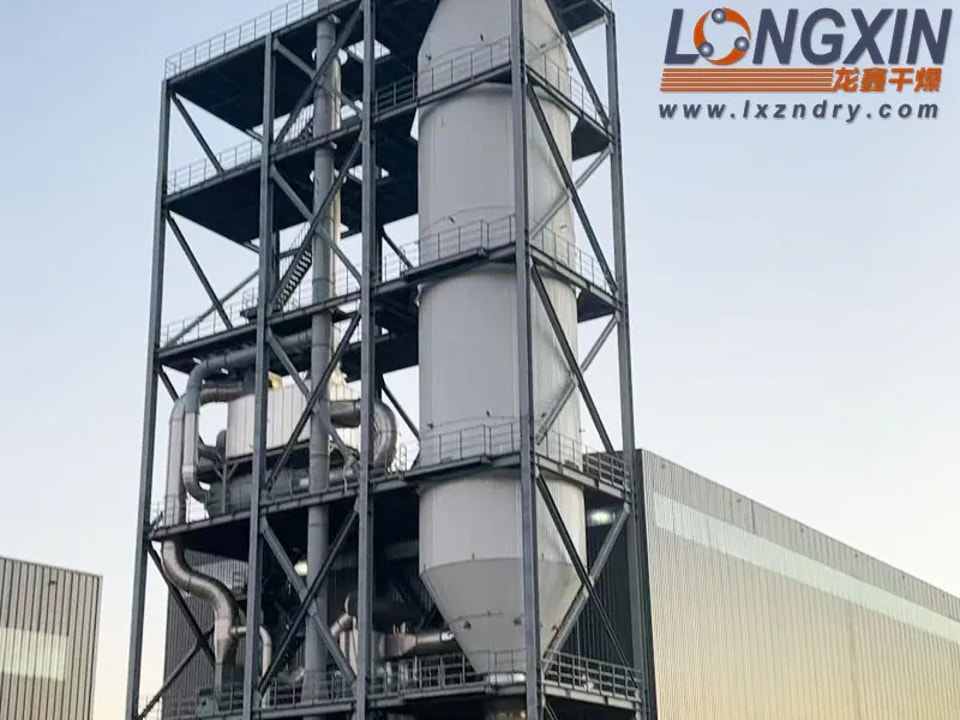 New Superheated Steam Spray Granulation & Drying System: Innovation for Potassium Humate ProductionThe humic acid market has been expanding year by year, with particularly strong demand for high-quality potassium humate products. As agricultural, environmental protection and other sectors impose increasingly stringent quality requirements on potassium humate, traditional drying equipment can no longer keep pace with market demands. The industry is witnessing three major upgrading trends: first, higher requirements for uniform particle size call for more precise atomization and temperature control technologies; second, drying temperature must be accurately regulated to prevent performance loss caused by high-temperature oxidation; third, rising costs for environmental compliance drive enterprises to adopt green processes featuring low emissions and low energy consumption.
To address these challenges, Longxin Drying has leveraged R&D platforms including the National Engineering Research Center for Special Ultrafine Powder Technology and the Comprehensive Drying Experiment Center. Working alongside leading enterprises in the humic acid industry, our team has conducted intensive technical research and development. We have successfully launched a new-generation superheated steam spray granulation and drying system, achieving an integrated technological innovation featuring high efficiency, intelligence and environmental friendliness.
In the conventional production of humic acid products such as sodium humate and potassium humate, air is commonly used as the drying medium for spray granulation and drying. Nevertheless, this process has prominent drawbacks. Low drying rate extends the production cycle, while poor thermal efficiency leads to energy waste. A large amount of sensible heat and latent heat contained in exhaust gas is difficult and costly to recover. Most enterprises have to discharge the exhaust directly, which increases energy consumption and aggravates environmental pollution.
The innovative application of superheated steam as the drying medium brings a revolutionary breakthrough to the humic acid industry. According to the technical team of Longxin Drying, superheated steam drying boasts multiple advantages. Firstly, its high thermal conductivity and low latent heat of phase change greatly improve heat and mass transfer efficiency, delivering a remarkable increase in output. Secondly, the steam circulation system realizes closed-loop utilization of thermal energy, cutting net energy consumption and drastically reducing exhaust emissions, thus solving the environmental challenges of traditional processes. Furthermore, the superheated steam environment effectively inhibits oxidative degradation of materials, ensuring product stability and production safety. It is especially suitable for the refined production of high-value-added potassium humate.
Core Technological Breakthroughs of Longxin Drying
(1) Closed-loop Circulation Thermal Energy Management System
The innovatively designed multi-stage waste heat reuse system recycles most exhaust gas generated during drying to improve thermal efficiency. Combined with an intelligent waste heat recovery module, the energy consumption per ton of finished products is greatly reduced compared with traditional processes.
(2) Dynamic Coupling Temperature Control Technology
It adopts a multi-section temperature gradient control strategy. AI algorithms adjust steam flow and atomization pressure in real time, enabling materials to undergo precise treatment in three stages inside the drying tower: rapid dehydration, gradient solidification and surface activation. Actual tests prove that the product maintains stable moisture content and uniform particle size distribution.
(3) Enhanced Granulation with Built-in Fluidized Bed
This design creatively integrates spray drying and fluidized bed technologies. A dynamic fluidized bed is installed at the bottom of the drying tower. Atomized wet materials directly enter the fluidization zone. Turbulence of gas and solid phases realizes surface coating and densification of particles, which increases bulk density and flowability of products, and effectively solves the problem of moisture absorption and caking of potassium humate.
(4) Full-process Intelligent Monitoring System
Equipped with an industrial IoT platform, the system integrates more than 50 sensors to collect key parameters such as temperature, pressure and flow rate in real time. Digital twin models predict process deviations and perform automatic correction. Multiple safety interlock devices are configured to respond rapidly to abnormal operating conditions, ensuring continuous production and personnel safety.
Longxin Drying: Empowering Industrial Upgrading with Technology
As the humic acid industry shifts toward refined and large-scale production, technological innovation in drying equipment has become the core of enterprise competitiveness. Drawing on years of expertise in drying engineering, Longxin Drying takes superheated steam technology as a breakthrough to reshape the process standards for potassium humate drying, and delivers integrated solutions featuring high efficiency, energy conservation and environmental protection for the industry. Choose Longxin, and you choose technological innovation and reliable quality. We look forward to cooperating with you to explore a brand-new future for the humic acid industry.
Going forward, Longxin Drying will further expand the application of superheated steam technology in the humic acid sector. Focusing on intelligence, low carbon and customization, we provide full-life-cycle solutions covering process design, equipment manufacturing and operation & maintenance services, helping customers achieve dual goals of cost reduction, efficiency improvement and green transformation.
As agricultural and environmental protection industries set higher quality standards for potassium humate, traditional drying processes are in urgent need of innovation due to low efficiency, high energy consumption and severe pollution. Leveraging superheated steam technology, Longxin Drying delivers integrated solutions that feature high efficiency, intelligence and environmental friendliness for the humic acid industry, driving the industry toward refined and large-scale development. Going forward, we will focus on intelligence, low carbon and customization, further expand technological applications and provide full life-cycle services, helping customers achieve the dual goals of cost reduction, efficiency improvement and green transformation.Read More
New Superheated Steam Spray Granulation & Drying System: Innovation for Potassium Humate ProductionThe humic acid market has been expanding year by year, with particularly strong demand for high-quality potassium humate products. As agricultural, environmental protection and other sectors impose increasingly stringent quality requirements on potassium humate, traditional drying equipment can no longer keep pace with market demands. The industry is witnessing three major upgrading trends: first, higher requirements for uniform particle size call for more precise atomization and temperature control technologies; second, drying temperature must be accurately regulated to prevent performance loss caused by high-temperature oxidation; third, rising costs for environmental compliance drive enterprises to adopt green processes featuring low emissions and low energy consumption.
To address these challenges, Longxin Drying has leveraged R&D platforms including the National Engineering Research Center for Special Ultrafine Powder Technology and the Comprehensive Drying Experiment Center. Working alongside leading enterprises in the humic acid industry, our team has conducted intensive technical research and development. We have successfully launched a new-generation superheated steam spray granulation and drying system, achieving an integrated technological innovation featuring high efficiency, intelligence and environmental friendliness.
In the conventional production of humic acid products such as sodium humate and potassium humate, air is commonly used as the drying medium for spray granulation and drying. Nevertheless, this process has prominent drawbacks. Low drying rate extends the production cycle, while poor thermal efficiency leads to energy waste. A large amount of sensible heat and latent heat contained in exhaust gas is difficult and costly to recover. Most enterprises have to discharge the exhaust directly, which increases energy consumption and aggravates environmental pollution.
The innovative application of superheated steam as the drying medium brings a revolutionary breakthrough to the humic acid industry. According to the technical team of Longxin Drying, superheated steam drying boasts multiple advantages. Firstly, its high thermal conductivity and low latent heat of phase change greatly improve heat and mass transfer efficiency, delivering a remarkable increase in output. Secondly, the steam circulation system realizes closed-loop utilization of thermal energy, cutting net energy consumption and drastically reducing exhaust emissions, thus solving the environmental challenges of traditional processes. Furthermore, the superheated steam environment effectively inhibits oxidative degradation of materials, ensuring product stability and production safety. It is especially suitable for the refined production of high-value-added potassium humate.
Core Technological Breakthroughs of Longxin Drying
(1) Closed-loop Circulation Thermal Energy Management System
The innovatively designed multi-stage waste heat reuse system recycles most exhaust gas generated during drying to improve thermal efficiency. Combined with an intelligent waste heat recovery module, the energy consumption per ton of finished products is greatly reduced compared with traditional processes.
(2) Dynamic Coupling Temperature Control Technology
It adopts a multi-section temperature gradient control strategy. AI algorithms adjust steam flow and atomization pressure in real time, enabling materials to undergo precise treatment in three stages inside the drying tower: rapid dehydration, gradient solidification and surface activation. Actual tests prove that the product maintains stable moisture content and uniform particle size distribution.
(3) Enhanced Granulation with Built-in Fluidized Bed
This design creatively integrates spray drying and fluidized bed technologies. A dynamic fluidized bed is installed at the bottom of the drying tower. Atomized wet materials directly enter the fluidization zone. Turbulence of gas and solid phases realizes surface coating and densification of particles, which increases bulk density and flowability of products, and effectively solves the problem of moisture absorption and caking of potassium humate.
(4) Full-process Intelligent Monitoring System
Equipped with an industrial IoT platform, the system integrates more than 50 sensors to collect key parameters such as temperature, pressure and flow rate in real time. Digital twin models predict process deviations and perform automatic correction. Multiple safety interlock devices are configured to respond rapidly to abnormal operating conditions, ensuring continuous production and personnel safety.
Longxin Drying: Empowering Industrial Upgrading with Technology
As the humic acid industry shifts toward refined and large-scale production, technological innovation in drying equipment has become the core of enterprise competitiveness. Drawing on years of expertise in drying engineering, Longxin Drying takes superheated steam technology as a breakthrough to reshape the process standards for potassium humate drying, and delivers integrated solutions featuring high efficiency, energy conservation and environmental protection for the industry. Choose Longxin, and you choose technological innovation and reliable quality. We look forward to cooperating with you to explore a brand-new future for the humic acid industry.
Going forward, Longxin Drying will further expand the application of superheated steam technology in the humic acid sector. Focusing on intelligence, low carbon and customization, we provide full-life-cycle solutions covering process design, equipment manufacturing and operation & maintenance services, helping customers achieve dual goals of cost reduction, efficiency improvement and green transformation.
As agricultural and environmental protection industries set higher quality standards for potassium humate, traditional drying processes are in urgent need of innovation due to low efficiency, high energy consumption and severe pollution. Leveraging superheated steam technology, Longxin Drying delivers integrated solutions that feature high efficiency, intelligence and environmental friendliness for the humic acid industry, driving the industry toward refined and large-scale development. Going forward, we will focus on intelligence, low carbon and customization, further expand technological applications and provide full life-cycle services, helping customers achieve the dual goals of cost reduction, efficiency improvement and green transformation.Read More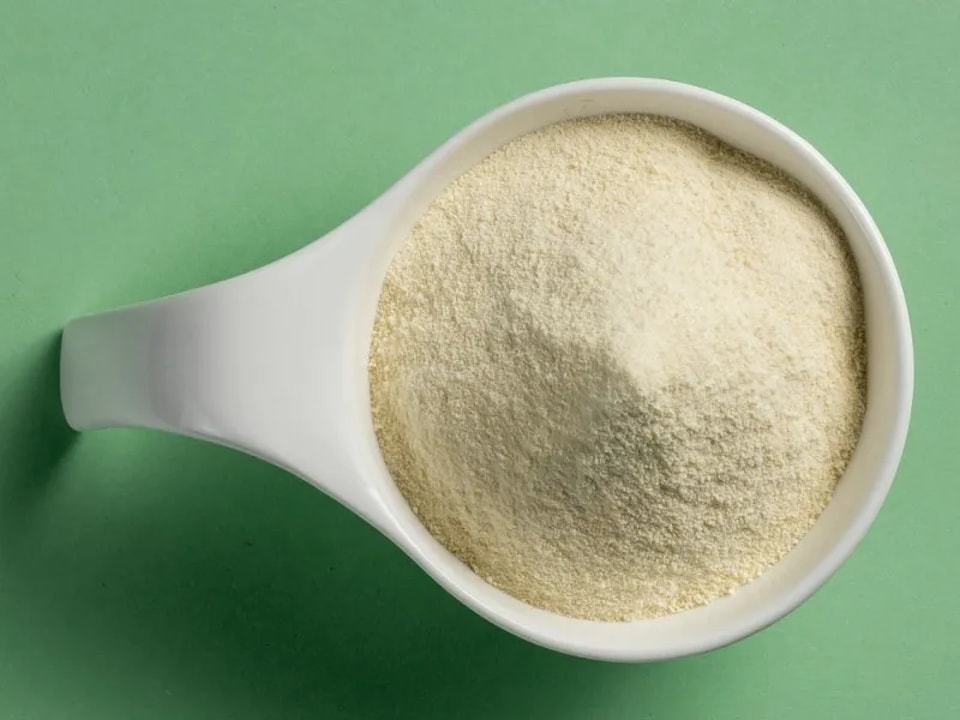 Instant Granules of Enzymatically Hydrolyzed Protein PeptidesInstant Granules of Enzymatically Hydrolyzed Protein Peptides are granular products manufactured by breaking down proteins into small molecular peptides and amino acids via enzymatic hydrolysis, followed by a series of processing procedures.
Compared with intact proteins, these small molecular peptides and amino acids are easier for the human body to absorb and utilize, and can deliver nutritional effects in a shorter time.This product contains a variety of essential amino acids. As the basic building blocks of human proteins, these amino acids participate in many physiological processes such as muscle repair. It also includes biologically active peptide fragments with functions like antioxidation, which exert specific effects in the human body.In the pharmaceutical industry, thanks to its excellent solubility and biocompatibility, the product can serve as a drug carrier to encapsulate drug molecules, so as to enhance drug stability and bioavailability.
As people's health awareness continues to rise, the demand for nutritional supplements and health foods keeps growing. As an easily absorbable protein source, instant granules of enzymatically hydrolyzed protein peptides can meet demands for sports nutrition, daily health care and other scenarios, driving a steady expansion of market demand in food, beverage and health product sectors.
The promising market prospects will attract more enterprises to enter this track, leading to increasingly fierce competition. Traditional food and health product manufacturers, as well as emerging biotech companies, will ramp up investment in R&D, production and marketing of this product to compete for market share.
Amid intense market competition, improving product quality has become the core of corporate competition. Jiangsu Longxin has independently developed a multi-stage fluidized granulation spray dryer. This equipment enables more precise control over physical properties including particle size distribution, bulk density and flowability of the granules, making the products better suited for diverse application scenarios.
It also optimizes the drying process and equipment structure, reducing denaturation and degradation of enzymatically hydrolyzed protein peptides during drying, and enhancing product stability and biological activity. This is critical to preserving the nutritional value and functional properties of the peptides, especially in pharmaceutical and health product industries that impose stringent quality standards.
Process Flow of Multi-stage Fluidized Granulation Spray Dryer for Instant Granules of Enzymatically Hydrolyzed Protein Peptides
(1) Raw Material Pretreatment
The enzymatically hydrolyzed protein peptide solution is filtered, concentrated and otherwise pretreated to meet the concentration, viscosity and other requirements for spray drying. The treated material is then delivered via pipelines to the feeding system of the dryer.
(2) Hot Air Generation
Ambient air is heated by heaters to form hot air at a set temperature. The hot air is fed into the top of the drying tower and the bottom of the fluidized bed, passing through distribution plates to come into contact with materials and fluidize them. It provides sufficient heat and airflow conditions for subsequent drying and granulation.
(3) Slurry Atomization
The liquid material in the feeding system is pumped into the drying tower through nozzles at a preset pressure by diaphragm pumps and other devices. Pressure energy is converted into kinetic energy, ejecting the slurry upward from the nozzles to form a high-speed liquid film, which is instantly broken into fine droplets. The size of atomized droplets is inversely proportional to the operating pressure, while the output capacity of the nozzle is proportional to the square of the pressure.
(4) Drying and Spheroidization of Droplets
Atomized droplets interact with hot air in a mixed flow inside the drying tower. Hot air enters the tower through the top air distributor to form a downward laminar airflow, while droplets are sprayed upward into the hot air stream. Thanks to the large specific surface area of droplets, moisture evaporates rapidly under the effect of hot air. Driven by surface tension, droplets turn spherical and eventually shrink into dry spherical particulate materials. The finished spherical particles settle gradually in the tower and separate from hot air.
(5) Fluidized Granulation
Fine powder lifted upward by hot airflow in the fluidized bed collides with falling wet fine particles in the atomization and granulation zone. Particles grow gradually through coating and adhesion. Mother liquor or binder can also be delivered to atomizing nozzles by pressure pumps. After atomization, the liquid coats the surface of fluidized particles or bonds particles together. Through continuous fluidization, coating and drying, particles keep growing until reaching the target particle size.
(6) Discharge and Collection of Particles
Particles meeting the required particle size are discharged from the outlet of the fluidized bed and transferred to the finished product collection unit. Fine particles, together with drying air, are extracted by exhaust fans connected to the funnel-shaped upper section and sent to the dust removal system.
(7) Dust Removal and Exhaust Gas Treatment
The dust removal system consists of high-efficiency cyclone separators, centrifugal fans and other components. The exhaust fan delivers air mixed with fine particles into the cyclone separator for separation. Collected fine particles fall to the bottom of the separator and are returned to the atomization zone of the tower via rotary valves to serve as seed crystals. The residual exhaust gas containing trace ultrafine particles is further treated by a water film dust collector for harmless disposal, and finally discharged through the chimney.
(8) System Monitoring and Control
The electrical system, including the electric control cabinet and on-site temperature sensors installed at air inlets and material outlets, monitors and controls all key operating links of the dryer. It regulates parameters such as temperature, pressure, air velocity and material flow rate to ensure stable equipment operation and consistent product quality.
Performance Advantages of Multi-stage Fluidized Granulation Spray Dryer for Instant Granules of Enzymatically Hydrolyzed Protein Peptides
(1) Superior Product Quality
Excellent particle properties
It produces granules with uniform particle size, featuring outstanding flowability, solubility and dispersibility. During processing and application of enzymatically hydrolyzed protein peptides, the granules blend and dissolve readily to deliver optimal efficacy and user experience.
High product purity
Moisture in materials evaporates instantly thanks to rapid drying. The entire process is conducted at low temperatures, preventing thermal deterioration of raw materials. The finished products therefore maintain high purity, stable quality and fully meet the high-standard requirements for enzymatically hydrolyzed protein peptides.
Effective retention of active ingredients
The fast drying process minimizes the exposure time of heat-sensitive substances such as enzymatically hydrolyzed protein peptides to heat. This greatly inhibits deterioration and decomposition, well preserving active substances and nutrients, which is essential for maintaining the product’s functional and nutritional values.
(2) High Production Efficiency
Fast drying speed
The feed liquid is atomized into numerous fine droplets with vastly enlarged specific surface area. Moisture evaporates rapidly upon contact with hot air, and the drying process is completed within merely ten to dozens of seconds. It is well suited for large-scale industrial production.
Continuous production
The equipment runs stably and supports automated operation for continuous mass production. Relevant parameters can be adjusted to precisely control production and product quality, ensuring consistent finished products. It cuts labor costs and workload, and improves overall productivity and economic benefits.
(3) Streamlined Production Process
One-step granulation
Drying and granulation are integrated into a single process, which directly converts liquid materials into granular products. Subsequent procedures like crushing and sieving are eliminated. This simplifies the production workflow, reduces floor space and equipment investment. Meanwhile, it avoids dust pollution and material loss caused by crushing and screening, improving production safety and environmental performance.
(4) High Energy Efficiency & Environmental Friendliness
High energy utilization rate
The process operates with low exhaust air temperature. Compared with other drying technologies, it effectively reduces heat loss, boosts energy efficiency and lowers energy consumption and production costs.
Low dust emission in exhaust gas
Equipped with efficient dust removal systems including cyclone separators and bag filters, the device thoroughly captures dust from exhaust gas. The dust content of discharged gas complies with emission standards, mitigating environmental pollution and realizing clean production.
(5) Easy Operation & Maintenance
User-friendly operation
The equipment is easy to operate and master. It adopts a large color LCD touch screen, supporting combined automatic and manual control for flexible parameter adjustment according to production demands. Operating status can be monitored and adjusted in real time via gauges to guarantee stable production.
Convenient maintenance
With a rational structural design, key components are easy to disassemble and clean for routine upkeep. It reduces maintenance costs and downtime, and extends the service life of the equipment.
Technical Upgrades of Multi-stage Fluidized Granulation Spray Dryer for Instant Granules of Enzymatically Hydrolyzed Protein Peptides
(1) Upgrades to Atomization System
Optimized nozzle design
New-type atomizing nozzles such as two-fluid nozzles and pressure nozzles are adopted. They atomize feed liquid into fine droplets more evenly and expand the contact area with hot air to boost drying efficiency. Adjustments to nozzle angle, aperture and shape further improve atomization and mitigate wall sticking. The optimized nozzle structure for centrifugal spray dryers nearly eliminates this issue completely.
Precise feed rate control
High-precision metering pumps and flow control systems are installed to accurately regulate the feeding speed and flow rate in line with process requirements. This maintains stable atomization and prevents uneven drying and inconsistent product quality caused by excessive or insufficient feed volume.
(2) Upgrades to Drying System
Improved hot air distribution uniformity
The structure and design of the hot air distributor are optimized to deliver evenly distributed hot air inside the drying chamber. Every droplet can make full contact with hot air, enhancing drying uniformity and efficiency. It also avoids quality defects including irregular particle shape and uneven moisture content resulting from local overheating or underheating.
Application of multi-stage drying technology
Additional multi-stage drying processes are integrated into the original workflow. For instance, an integrated fluidized bed at the tower bottom performs secondary low-temperature fluidized drying and cooling. This further reduces residual moisture, improves product stability and solubility, and regulates particle size distribution and morphology to produce uniform and well-shaped granules.
(3) Upgrades to Granulation System
Enhanced agglomeration granulation performance
Optimized airflow and temperature fields inside the drying chamber facilitate the agglomeration and fusion of droplets to form larger and more uniform particles. Fine powder collected by the cyclone separator is conveyed back via air delivery for re-agglomeration with droplets. This increases particle size and strength, reduces fine powder generation and raises product yield.
Controlled particle size distribution
Advanced particle size analyzers and control systems are deployed to monitor and feedback particle size distribution in real time. The system automatically adjusts operating parameters such as feed rate, atomization pressure and hot air temperature according to preset target ranges. It realizes precise control over particle size distribution and produces qualified instant granules for diverse application scenarios.
(4) Upgrades to Control System
Intelligent control
Advanced automatic control systems including PLC and touch screen interfaces are applied to achieve precise control and real-time monitoring of all operational sections. Based on preset process parameters and control programs, the equipment automatically adjusts feed rate, atomizer speed, hot air temperature and air volume, ensuring stable drying processes and consistent product quality.
Remote monitoring and diagnosis
Supported by Internet of Things (IoT) technology, the dryer is connected to a remote monitoring center. Operators can check real-time operational data such as temperature, pressure, flow rate and rotational speed, as well as fault alerts anytime via mobile phones, computers and other terminals. Remote fault diagnosis and maintenance guidance are also available. Technical staff can quickly identify faults based on transmitted data and provide targeted solutions for on-site maintenance, improving maintenance efficiency and equipment operational reliability.
(5) Energy-saving and Environmental Protection Upgrades
High-efficiency heat recovery system
Heat recovery units are added to recycle heat from exhaust gas. The recovered heat is used to preheat incoming cold air or feed liquid, which improves energy utilization, cuts energy consumption and production costs, and reduces thermal pollution.
Optimized exhaust gas treatment
The exhaust gas treatment system is upgraded with high-efficiency cyclone separators, bag filters and other new dust removal devices to enhance dust collection capacity. The dust content of exhaust gas is further lowered to meet stricter environmental emission standards. Harmful gases in exhaust are also treated to reduce atmospheric pollution.
Read More
Instant Granules of Enzymatically Hydrolyzed Protein PeptidesInstant Granules of Enzymatically Hydrolyzed Protein Peptides are granular products manufactured by breaking down proteins into small molecular peptides and amino acids via enzymatic hydrolysis, followed by a series of processing procedures.
Compared with intact proteins, these small molecular peptides and amino acids are easier for the human body to absorb and utilize, and can deliver nutritional effects in a shorter time.This product contains a variety of essential amino acids. As the basic building blocks of human proteins, these amino acids participate in many physiological processes such as muscle repair. It also includes biologically active peptide fragments with functions like antioxidation, which exert specific effects in the human body.In the pharmaceutical industry, thanks to its excellent solubility and biocompatibility, the product can serve as a drug carrier to encapsulate drug molecules, so as to enhance drug stability and bioavailability.
As people's health awareness continues to rise, the demand for nutritional supplements and health foods keeps growing. As an easily absorbable protein source, instant granules of enzymatically hydrolyzed protein peptides can meet demands for sports nutrition, daily health care and other scenarios, driving a steady expansion of market demand in food, beverage and health product sectors.
The promising market prospects will attract more enterprises to enter this track, leading to increasingly fierce competition. Traditional food and health product manufacturers, as well as emerging biotech companies, will ramp up investment in R&D, production and marketing of this product to compete for market share.
Amid intense market competition, improving product quality has become the core of corporate competition. Jiangsu Longxin has independently developed a multi-stage fluidized granulation spray dryer. This equipment enables more precise control over physical properties including particle size distribution, bulk density and flowability of the granules, making the products better suited for diverse application scenarios.
It also optimizes the drying process and equipment structure, reducing denaturation and degradation of enzymatically hydrolyzed protein peptides during drying, and enhancing product stability and biological activity. This is critical to preserving the nutritional value and functional properties of the peptides, especially in pharmaceutical and health product industries that impose stringent quality standards.
Process Flow of Multi-stage Fluidized Granulation Spray Dryer for Instant Granules of Enzymatically Hydrolyzed Protein Peptides
(1) Raw Material Pretreatment
The enzymatically hydrolyzed protein peptide solution is filtered, concentrated and otherwise pretreated to meet the concentration, viscosity and other requirements for spray drying. The treated material is then delivered via pipelines to the feeding system of the dryer.
(2) Hot Air Generation
Ambient air is heated by heaters to form hot air at a set temperature. The hot air is fed into the top of the drying tower and the bottom of the fluidized bed, passing through distribution plates to come into contact with materials and fluidize them. It provides sufficient heat and airflow conditions for subsequent drying and granulation.
(3) Slurry Atomization
The liquid material in the feeding system is pumped into the drying tower through nozzles at a preset pressure by diaphragm pumps and other devices. Pressure energy is converted into kinetic energy, ejecting the slurry upward from the nozzles to form a high-speed liquid film, which is instantly broken into fine droplets. The size of atomized droplets is inversely proportional to the operating pressure, while the output capacity of the nozzle is proportional to the square of the pressure.
(4) Drying and Spheroidization of Droplets
Atomized droplets interact with hot air in a mixed flow inside the drying tower. Hot air enters the tower through the top air distributor to form a downward laminar airflow, while droplets are sprayed upward into the hot air stream. Thanks to the large specific surface area of droplets, moisture evaporates rapidly under the effect of hot air. Driven by surface tension, droplets turn spherical and eventually shrink into dry spherical particulate materials. The finished spherical particles settle gradually in the tower and separate from hot air.
(5) Fluidized Granulation
Fine powder lifted upward by hot airflow in the fluidized bed collides with falling wet fine particles in the atomization and granulation zone. Particles grow gradually through coating and adhesion. Mother liquor or binder can also be delivered to atomizing nozzles by pressure pumps. After atomization, the liquid coats the surface of fluidized particles or bonds particles together. Through continuous fluidization, coating and drying, particles keep growing until reaching the target particle size.
(6) Discharge and Collection of Particles
Particles meeting the required particle size are discharged from the outlet of the fluidized bed and transferred to the finished product collection unit. Fine particles, together with drying air, are extracted by exhaust fans connected to the funnel-shaped upper section and sent to the dust removal system.
(7) Dust Removal and Exhaust Gas Treatment
The dust removal system consists of high-efficiency cyclone separators, centrifugal fans and other components. The exhaust fan delivers air mixed with fine particles into the cyclone separator for separation. Collected fine particles fall to the bottom of the separator and are returned to the atomization zone of the tower via rotary valves to serve as seed crystals. The residual exhaust gas containing trace ultrafine particles is further treated by a water film dust collector for harmless disposal, and finally discharged through the chimney.
(8) System Monitoring and Control
The electrical system, including the electric control cabinet and on-site temperature sensors installed at air inlets and material outlets, monitors and controls all key operating links of the dryer. It regulates parameters such as temperature, pressure, air velocity and material flow rate to ensure stable equipment operation and consistent product quality.
Performance Advantages of Multi-stage Fluidized Granulation Spray Dryer for Instant Granules of Enzymatically Hydrolyzed Protein Peptides
(1) Superior Product Quality
Excellent particle properties
It produces granules with uniform particle size, featuring outstanding flowability, solubility and dispersibility. During processing and application of enzymatically hydrolyzed protein peptides, the granules blend and dissolve readily to deliver optimal efficacy and user experience.
High product purity
Moisture in materials evaporates instantly thanks to rapid drying. The entire process is conducted at low temperatures, preventing thermal deterioration of raw materials. The finished products therefore maintain high purity, stable quality and fully meet the high-standard requirements for enzymatically hydrolyzed protein peptides.
Effective retention of active ingredients
The fast drying process minimizes the exposure time of heat-sensitive substances such as enzymatically hydrolyzed protein peptides to heat. This greatly inhibits deterioration and decomposition, well preserving active substances and nutrients, which is essential for maintaining the product’s functional and nutritional values.
(2) High Production Efficiency
Fast drying speed
The feed liquid is atomized into numerous fine droplets with vastly enlarged specific surface area. Moisture evaporates rapidly upon contact with hot air, and the drying process is completed within merely ten to dozens of seconds. It is well suited for large-scale industrial production.
Continuous production
The equipment runs stably and supports automated operation for continuous mass production. Relevant parameters can be adjusted to precisely control production and product quality, ensuring consistent finished products. It cuts labor costs and workload, and improves overall productivity and economic benefits.
(3) Streamlined Production Process
One-step granulation
Drying and granulation are integrated into a single process, which directly converts liquid materials into granular products. Subsequent procedures like crushing and sieving are eliminated. This simplifies the production workflow, reduces floor space and equipment investment. Meanwhile, it avoids dust pollution and material loss caused by crushing and screening, improving production safety and environmental performance.
(4) High Energy Efficiency & Environmental Friendliness
High energy utilization rate
The process operates with low exhaust air temperature. Compared with other drying technologies, it effectively reduces heat loss, boosts energy efficiency and lowers energy consumption and production costs.
Low dust emission in exhaust gas
Equipped with efficient dust removal systems including cyclone separators and bag filters, the device thoroughly captures dust from exhaust gas. The dust content of discharged gas complies with emission standards, mitigating environmental pollution and realizing clean production.
(5) Easy Operation & Maintenance
User-friendly operation
The equipment is easy to operate and master. It adopts a large color LCD touch screen, supporting combined automatic and manual control for flexible parameter adjustment according to production demands. Operating status can be monitored and adjusted in real time via gauges to guarantee stable production.
Convenient maintenance
With a rational structural design, key components are easy to disassemble and clean for routine upkeep. It reduces maintenance costs and downtime, and extends the service life of the equipment.
Technical Upgrades of Multi-stage Fluidized Granulation Spray Dryer for Instant Granules of Enzymatically Hydrolyzed Protein Peptides
(1) Upgrades to Atomization System
Optimized nozzle design
New-type atomizing nozzles such as two-fluid nozzles and pressure nozzles are adopted. They atomize feed liquid into fine droplets more evenly and expand the contact area with hot air to boost drying efficiency. Adjustments to nozzle angle, aperture and shape further improve atomization and mitigate wall sticking. The optimized nozzle structure for centrifugal spray dryers nearly eliminates this issue completely.
Precise feed rate control
High-precision metering pumps and flow control systems are installed to accurately regulate the feeding speed and flow rate in line with process requirements. This maintains stable atomization and prevents uneven drying and inconsistent product quality caused by excessive or insufficient feed volume.
(2) Upgrades to Drying System
Improved hot air distribution uniformity
The structure and design of the hot air distributor are optimized to deliver evenly distributed hot air inside the drying chamber. Every droplet can make full contact with hot air, enhancing drying uniformity and efficiency. It also avoids quality defects including irregular particle shape and uneven moisture content resulting from local overheating or underheating.
Application of multi-stage drying technology
Additional multi-stage drying processes are integrated into the original workflow. For instance, an integrated fluidized bed at the tower bottom performs secondary low-temperature fluidized drying and cooling. This further reduces residual moisture, improves product stability and solubility, and regulates particle size distribution and morphology to produce uniform and well-shaped granules.
(3) Upgrades to Granulation System
Enhanced agglomeration granulation performance
Optimized airflow and temperature fields inside the drying chamber facilitate the agglomeration and fusion of droplets to form larger and more uniform particles. Fine powder collected by the cyclone separator is conveyed back via air delivery for re-agglomeration with droplets. This increases particle size and strength, reduces fine powder generation and raises product yield.
Controlled particle size distribution
Advanced particle size analyzers and control systems are deployed to monitor and feedback particle size distribution in real time. The system automatically adjusts operating parameters such as feed rate, atomization pressure and hot air temperature according to preset target ranges. It realizes precise control over particle size distribution and produces qualified instant granules for diverse application scenarios.
(4) Upgrades to Control System
Intelligent control
Advanced automatic control systems including PLC and touch screen interfaces are applied to achieve precise control and real-time monitoring of all operational sections. Based on preset process parameters and control programs, the equipment automatically adjusts feed rate, atomizer speed, hot air temperature and air volume, ensuring stable drying processes and consistent product quality.
Remote monitoring and diagnosis
Supported by Internet of Things (IoT) technology, the dryer is connected to a remote monitoring center. Operators can check real-time operational data such as temperature, pressure, flow rate and rotational speed, as well as fault alerts anytime via mobile phones, computers and other terminals. Remote fault diagnosis and maintenance guidance are also available. Technical staff can quickly identify faults based on transmitted data and provide targeted solutions for on-site maintenance, improving maintenance efficiency and equipment operational reliability.
(5) Energy-saving and Environmental Protection Upgrades
High-efficiency heat recovery system
Heat recovery units are added to recycle heat from exhaust gas. The recovered heat is used to preheat incoming cold air or feed liquid, which improves energy utilization, cuts energy consumption and production costs, and reduces thermal pollution.
Optimized exhaust gas treatment
The exhaust gas treatment system is upgraded with high-efficiency cyclone separators, bag filters and other new dust removal devices to enhance dust collection capacity. The dust content of exhaust gas is further lowered to meet stricter environmental emission standards. Harmful gases in exhaust are also treated to reduce atmospheric pollution.
Read More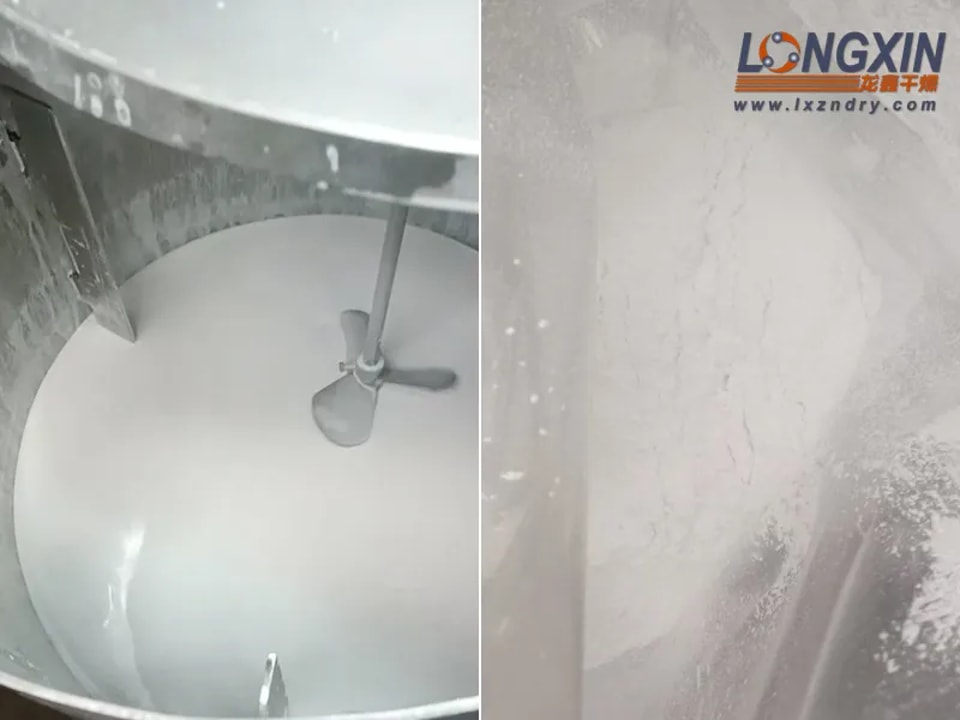 Empowering High-Quality Alumina Ceramic Components with Longxin's Precision Spray Drying SolutionsIn the field of high-precision ceramics, the quality of the powder directly determines the performance of the components. Longxin Drying, with its self-developed spray drying technology, precisely empowers the production of alumina ceramic powders, providing excellent solutions for the global high-end ceramics market.
Market Demand & Trends: The Rise of High-End Demand
Alumina ceramics, known for their outstanding properties, are widely used in advanced applications such as semiconductors, 5G communications, and new energy vehicles. With the miniaturization of electronic devices, the increase in high-frequency requirements, and the emergence of extreme environmental applications, the market demand for high-purity, high-performance alumina ceramics is growing explosively.
The market is showing clear signs of polarization: On the one hand, traditional industries still require cost-effective ceramics, while on the other hand, there is a rapid growth in demand for alumina powders with purity above 99.9%, nano-alumina, and specific morphological spherical alumina.
In the future, alumina ceramic powders that meet the requirements of high purity, narrow particle size distribution, high sphericity, and low impurity content will become the key factor determining the upper limit of the performance of structural components.
Core Foundation: The Critical Role of Powder Quality in Component Performance
"Powder determines the outcome" — this is the consensus in the ceramics industry. The density, mechanical strength, dielectric performance, and surface finish of alumina ceramic components are directly determined by the micro characteristics of the raw powder:
Particle Size Distribution: A wide distribution will cause uneven shrinkage during sintering, resulting in internal stress or cracking. Narrow distribution, with ultra-fine powder, promotes densification and improves strength.
Powder Morphology: Spherical alumina powders have excellent flowability, ensuring smooth high-precision processes such as dry pressing and injection molding.
Purity and Impurity Control: Trace impurities, such as sodium, potassium, and iron, can significantly degrade insulation properties and thermal stability, affecting the reliability of high-end applications.
Granulation Powder Performance: High-quality granulated powders possess proper bulk density, good flowability, and sufficient particle strength to ensure uniform and consistent filling during mold formation.
Without high-quality precursor powders, it is impossible to manufacture high-performance alumina ceramic components.
Addressing Pain Points: Bottlenecks and Challenges of Traditional Drying Processes
In the preparation process of alumina ceramic powders, drying and granulation are key stages. However, traditional drying methods are increasingly showing limitations in meeting the rigorous requirements of high-end applications:
Uncontrolled Particle Size Distribution: Traditional atomizer designs are often rough, leading to uneven droplet sizes and broad particle size distribution after drying, making it difficult to meet the uniformity required for high-end sintering.
Thermal Sensitivity Damage: Uneven hot air distribution or local overheating can cause over-baking, agglomeration, or phase transformation, compromising the powder's activity and purity.
Impurity Introduction: The wear of equipment materials or outdated cleaning systems can introduce metal impurities, severely affecting the quality of high-purity alumina.
Low Recovery Rate: For ultra-fine hydrates, boehmite, and nano-alumina, traditional dust removal systems are inefficient, leading to significant raw material loss.
Insufficient Flexibility: General-purpose equipment struggles to provide precise adjustments for different material properties, making it difficult to achieve "one solution for one product."
Longxin’s Solution: Customized Spray Drying Machines Powering Industrial Upgrades
In response to the urgent demand for high-purity, high-performance alumina products, Longxin Drying focuses on customer needs, deeply engaging in the precision ceramic powder sector. We understand that different application areas require various particle sizes, crystal shapes, and purities. Therefore, Longxin has moved away from a one-size-fits-all manufacturing model, offering customized, precision solutions for each product type to ensure high purity and stability from the source.
Whether it is spherical alumina for thermal fillers, ultra-fine alumina for polishing, or boehmite and high-purity alumina for electronic substrates, Longxin can tailor its spray drying processes based on the specific material properties, supporting breakthroughs in industries such as semiconductors and new energy.
Technological Edge: Five Key Advantages of Longxin’s Precision Ceramic Powder Granulation Spray Dryers
Longxin’s latest precision ceramic powder granulation spray dryers integrate multiple core technologies developed in-house, setting a new industry standard:
CFD-Simulated Hot Air Distribution System: By using computational fluid dynamics (CFD) for comprehensive simulation, we optimize the airflow distribution within the tower, eliminate dead zones and vortices, and ensure every droplet is dried in the optimal temperature zone, preventing overheating and ensuring uniform particle size and color.
Self-Developed Ultra-High-Speed Centrifugal Atomizer: With complete control over the atomizer core technology, our ultra-high-speed atomizer provides reliable performance with precise rotational speed control, producing powders with a narrow particle size distribution and perfect sphericity.
Intelligent Temperature Control and Dual Cooling System: The newly designed oil and air cooling composite system, combined with real-time intelligent monitoring modules, ensures stable operation of the atomizer even under high-temperature, high-load conditions, eliminating risks of overheating and downtime.
Customized "One Solution for One Product" Atomizing Discs: Longxin provides tailored atomizing discs for different materials, such as high-viscosity nano-alumina and thixotropic boehmite, allowing precise control over particle size and morphology by adjusting the disc angle, groove structure, and rotational speed.
New Offline Cleaning Filter Bag Dust Removal System: The optimized dust removal system, with specially designed high-temperature resistant filter bags and cold-air protection, significantly extends filter bag life while improving the recovery rate of ultra-fine powders, meeting environmental emission requirements.
All-Out Efforts for Excellence: Creating a New Future for Precision Ceramics
Longxin Drying focuses on high-performance precision ceramic powder production, treating advanced drying processes as the technological foundation. Through fully automated production and strict quality control, we ensure that each batch of products is traceable and verifiable, safeguarding the quality of customer deliveries.
With a wide range of spray drying towers, Longxin can precisely meet the differentiated demands of various sectors, including ceramic components, refractory materials, thermal fillers, and polishing abrasives. Moving forward, Longxin will continue to refine its technology and innovate in collaboration with customers to expand high-end application scenarios. We strive to become the trusted provider of high-performance, high-purity alumina intelligent equipment, empowering the ceramic industry with cutting-edge technology and advancing the development of high-quality alumina ceramic components for broader applications.
Choose Longxin, Choose Quality and the Future. Let's work together to create a new era of precision ceramics!
Read More
Empowering High-Quality Alumina Ceramic Components with Longxin's Precision Spray Drying SolutionsIn the field of high-precision ceramics, the quality of the powder directly determines the performance of the components. Longxin Drying, with its self-developed spray drying technology, precisely empowers the production of alumina ceramic powders, providing excellent solutions for the global high-end ceramics market.
Market Demand & Trends: The Rise of High-End Demand
Alumina ceramics, known for their outstanding properties, are widely used in advanced applications such as semiconductors, 5G communications, and new energy vehicles. With the miniaturization of electronic devices, the increase in high-frequency requirements, and the emergence of extreme environmental applications, the market demand for high-purity, high-performance alumina ceramics is growing explosively.
The market is showing clear signs of polarization: On the one hand, traditional industries still require cost-effective ceramics, while on the other hand, there is a rapid growth in demand for alumina powders with purity above 99.9%, nano-alumina, and specific morphological spherical alumina.
In the future, alumina ceramic powders that meet the requirements of high purity, narrow particle size distribution, high sphericity, and low impurity content will become the key factor determining the upper limit of the performance of structural components.
Core Foundation: The Critical Role of Powder Quality in Component Performance
"Powder determines the outcome" — this is the consensus in the ceramics industry. The density, mechanical strength, dielectric performance, and surface finish of alumina ceramic components are directly determined by the micro characteristics of the raw powder:
Particle Size Distribution: A wide distribution will cause uneven shrinkage during sintering, resulting in internal stress or cracking. Narrow distribution, with ultra-fine powder, promotes densification and improves strength.
Powder Morphology: Spherical alumina powders have excellent flowability, ensuring smooth high-precision processes such as dry pressing and injection molding.
Purity and Impurity Control: Trace impurities, such as sodium, potassium, and iron, can significantly degrade insulation properties and thermal stability, affecting the reliability of high-end applications.
Granulation Powder Performance: High-quality granulated powders possess proper bulk density, good flowability, and sufficient particle strength to ensure uniform and consistent filling during mold formation.
Without high-quality precursor powders, it is impossible to manufacture high-performance alumina ceramic components.
Addressing Pain Points: Bottlenecks and Challenges of Traditional Drying Processes
In the preparation process of alumina ceramic powders, drying and granulation are key stages. However, traditional drying methods are increasingly showing limitations in meeting the rigorous requirements of high-end applications:
Uncontrolled Particle Size Distribution: Traditional atomizer designs are often rough, leading to uneven droplet sizes and broad particle size distribution after drying, making it difficult to meet the uniformity required for high-end sintering.
Thermal Sensitivity Damage: Uneven hot air distribution or local overheating can cause over-baking, agglomeration, or phase transformation, compromising the powder's activity and purity.
Impurity Introduction: The wear of equipment materials or outdated cleaning systems can introduce metal impurities, severely affecting the quality of high-purity alumina.
Low Recovery Rate: For ultra-fine hydrates, boehmite, and nano-alumina, traditional dust removal systems are inefficient, leading to significant raw material loss.
Insufficient Flexibility: General-purpose equipment struggles to provide precise adjustments for different material properties, making it difficult to achieve "one solution for one product."
Longxin’s Solution: Customized Spray Drying Machines Powering Industrial Upgrades
In response to the urgent demand for high-purity, high-performance alumina products, Longxin Drying focuses on customer needs, deeply engaging in the precision ceramic powder sector. We understand that different application areas require various particle sizes, crystal shapes, and purities. Therefore, Longxin has moved away from a one-size-fits-all manufacturing model, offering customized, precision solutions for each product type to ensure high purity and stability from the source.
Whether it is spherical alumina for thermal fillers, ultra-fine alumina for polishing, or boehmite and high-purity alumina for electronic substrates, Longxin can tailor its spray drying processes based on the specific material properties, supporting breakthroughs in industries such as semiconductors and new energy.
Technological Edge: Five Key Advantages of Longxin’s Precision Ceramic Powder Granulation Spray Dryers
Longxin’s latest precision ceramic powder granulation spray dryers integrate multiple core technologies developed in-house, setting a new industry standard:
CFD-Simulated Hot Air Distribution System: By using computational fluid dynamics (CFD) for comprehensive simulation, we optimize the airflow distribution within the tower, eliminate dead zones and vortices, and ensure every droplet is dried in the optimal temperature zone, preventing overheating and ensuring uniform particle size and color.
Self-Developed Ultra-High-Speed Centrifugal Atomizer: With complete control over the atomizer core technology, our ultra-high-speed atomizer provides reliable performance with precise rotational speed control, producing powders with a narrow particle size distribution and perfect sphericity.
Intelligent Temperature Control and Dual Cooling System: The newly designed oil and air cooling composite system, combined with real-time intelligent monitoring modules, ensures stable operation of the atomizer even under high-temperature, high-load conditions, eliminating risks of overheating and downtime.
Customized "One Solution for One Product" Atomizing Discs: Longxin provides tailored atomizing discs for different materials, such as high-viscosity nano-alumina and thixotropic boehmite, allowing precise control over particle size and morphology by adjusting the disc angle, groove structure, and rotational speed.
New Offline Cleaning Filter Bag Dust Removal System: The optimized dust removal system, with specially designed high-temperature resistant filter bags and cold-air protection, significantly extends filter bag life while improving the recovery rate of ultra-fine powders, meeting environmental emission requirements.
All-Out Efforts for Excellence: Creating a New Future for Precision Ceramics
Longxin Drying focuses on high-performance precision ceramic powder production, treating advanced drying processes as the technological foundation. Through fully automated production and strict quality control, we ensure that each batch of products is traceable and verifiable, safeguarding the quality of customer deliveries.
With a wide range of spray drying towers, Longxin can precisely meet the differentiated demands of various sectors, including ceramic components, refractory materials, thermal fillers, and polishing abrasives. Moving forward, Longxin will continue to refine its technology and innovate in collaboration with customers to expand high-end application scenarios. We strive to become the trusted provider of high-performance, high-purity alumina intelligent equipment, empowering the ceramic industry with cutting-edge technology and advancing the development of high-quality alumina ceramic components for broader applications.
Choose Longxin, Choose Quality and the Future. Let's work together to create a new era of precision ceramics!
Read More Understanding the Process of Concentrating Fermented Yoghurt: From 12% to 90% Dry MatterUnderstanding the Process of Concentrating Fermented Yoghurt: From 12% to 90% Dry MatterWhen it comes to concentrating fermented yoghurt, the goal is to start with a product that contains around 12% dry matter and transform it into a powdered form with 90% dry matter. This process is crucial in order to achieve key requirements such as ensuring the viability of probiotic bacteria at a rate of ≥10⁸ CFU/g, high sphericity, good solubility, and a shelf life of at least 12 months at room temperature.At Longxin, we have unique features and safeguards in place to ensure the success of this process. Our methods include using low temperature and active protection to avoid heat stress on the materials. By utilizing a "upward air flow and exhaust" mixed flow design, we are able to keep the actual material temperature below 75°C. Additionally, our vacuum freeze-drying machines can be equipped with in-situ pre-freezing plates and integrated cold traps to minimize contamination during handling.We also incorporate microencapsulation and additive systems to enhance the final product. By adding 2-4% maltodextrin or skim milk powder online, we are able to increase the glass transition temperature and reduce wall sticking. Our spray nozzle pressure ranges from 5-10 MPa, with droplet size D50 adjustable between 10-50 μm, resulting in a final product sphericity of ≥0.85.Our approach also emphasizes modularization and intelligent control. With quick-change CIP/SIP systems, batch switches can be completed in under 30 minutes. Our AI predictive maintenance system increases Overall Equipment Effectiveness by 15% and reduces downtime due to malfunctions by 40%.Longxin is committed to environmental sustainability and energy efficiency. We achieve a solvent recycling rate of ≥95% through closed-loop systems and maintain tail gas dust levels below 50 mg/m³. By implementing waste heat recovery modules, the comprehensive energy consumption per ton of dry powder is reduced by 20%.The implementation process involves the following steps: fermentation of yoghurt, vacuum membrane concentration (40-48% solids), low-temperature drying (spray/freeze/fluidized bed granulation), online cooling, nitrogen filling and packaging, and final product distribution.For future collaborations, please provide information on the planned processing volume (t/d), target bacterial activity indicators, steam/electricity conditions on-site, and whether organic or GMP certification is required.We welcome samples for testing and offer free trials along with comprehensive process reports. For inquiries, please contact us at +8613611616575 or email aimee.wang@longxinglobal.com.cn.Read More
Contact US
×Support order samples, customization, wholesale direct, and complete payment. If the product you look for does not have corresponding customized content, pls fill out the form below to contact us, and we will reply ASAP.

- Hengshanqiao Town, Changzhou, Jiangsu Province-213119, China
- No. 2600, Zhencheng Road, Jiangyin City, Jiangsu Province, 214441, China
- 503a, 5th Floor, No.2582 Gudai Road, Minhang District, Shanghai, 201101
- techservice@longxinglobal.com.cn
 13611616575
- +86 13611616575
 +86 13611616575