
Against the sweeping AI wave, domestic substitution of MLCCs is accelerating: How Longxin’s barium titanate nano sand mill and intelligent spray drying production line break the bottlenecks restricting the industrialization of electronic ceramic materials
2026-06-17
Domestic Substitution of MLCCs Accelerated by AI Boom: Analysis of Market Demand and Trends for Barium Titanate Ceramic Powders
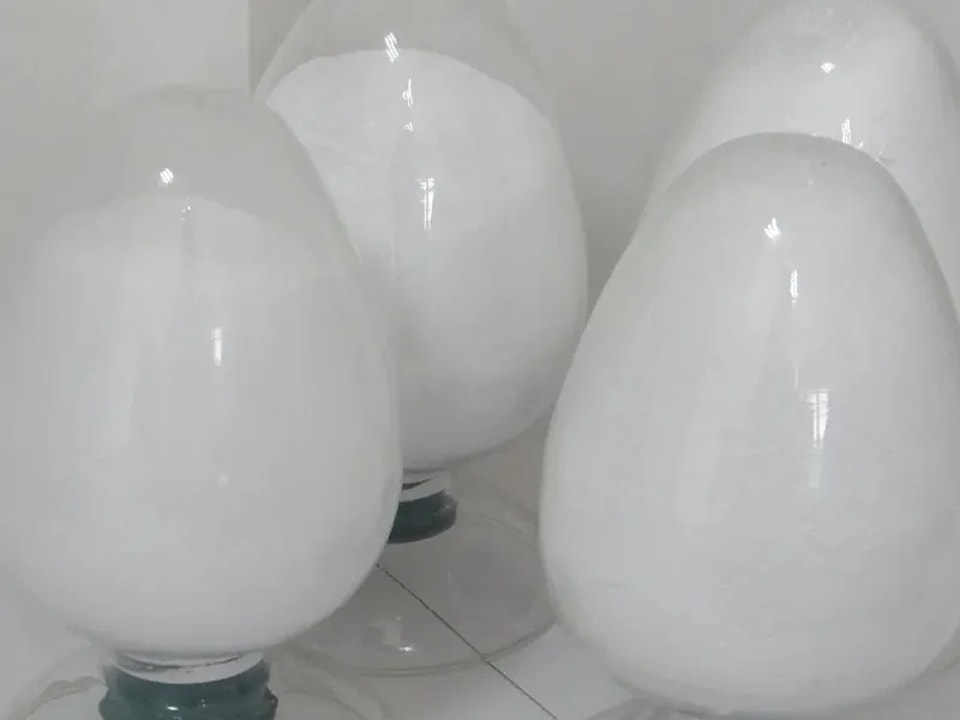
Bottlenecks in Barium Titanate MLCC Ceramic Powder Preparation: Technical Challenges in Grinding and Drying
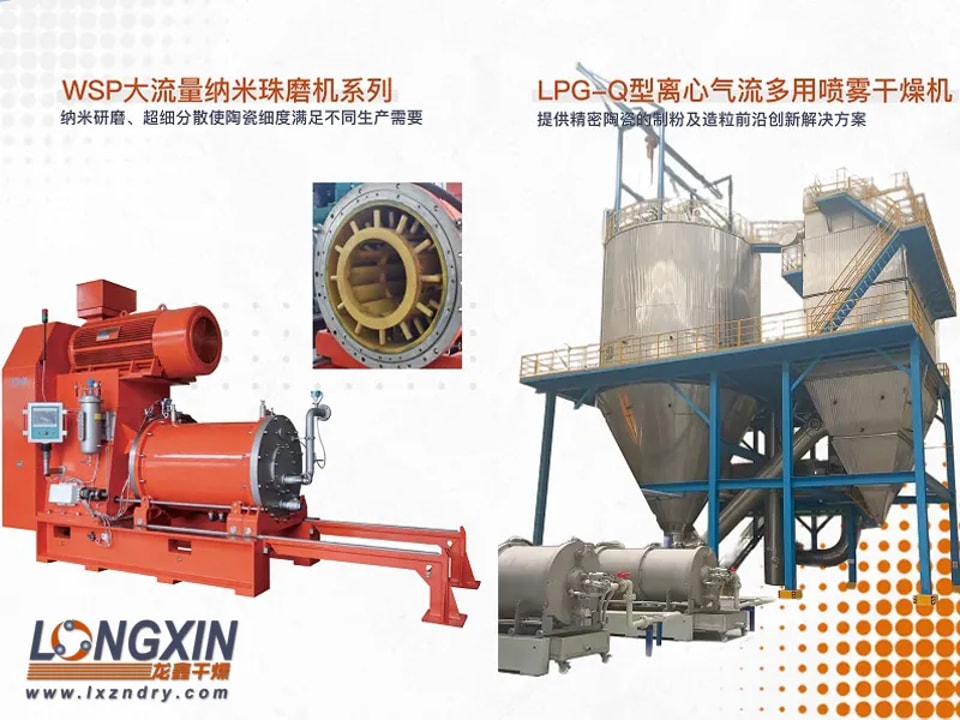
(1) Pain Points of Traditional Grinding Processes
- Severe particle agglomeration: Nano barium titanate features large specific surface area and high surface energy. Van der Waals forces readily induce hard agglomerates during grinding, impairing powder flowability and undermining subsequent sintering performance.
- Uneven particle size distribution: Fluctuations in grinding parameters (rotational speed, grinding media ratio) lead to broad particle size ranges, resulting in inconsistent dielectric properties of finished MLCCs and reduced product yield.
- Risk of impurity contamination: Wear of grinding media and equipment surfaces may introduce metallic impurities that degrade powder purity. For high-reliability MLCCs, such impurities compromise insulation performance and even trigger dielectric breakdown.
- Conflict between energy consumption and processing efficiency: Attaining ultra-fine particle sizes demands prolonged grinding cycles on traditional sand mills, driving up power consumption. Excessive heat buildup may also alter the crystal structure of barium titanate, lowering its dielectric constant.
(2) Technical Bottlenecks of Drying Processes
- Thermal sensitivity issues: Barium titanate is temperature-sensitive. Conventional drying techniques easily cause localized overheating, triggering crystal transformation or compositional deviation and deteriorating dielectric performance.
- Poor particle size controllability: Standard spray dryers fail to precisely regulate droplet size and distribution, yielding dried powder with uneven particle dimensions that compromise uniformity during MLCC lamination and forming.
- Wall adhesion and contamination: Wet powder sticking to drying tower walls reduces product purity and generates secondary agglomerates, raising downstream processing costs. Improper equipment materials may leach impurities and degrade powder purity.
- Insufficient sphericity: Spherical powder elevates packing density and compactness for high-end MLCCs, yet traditional drying technologies cannot produce highly spherical granules, weakening capacitors’ electrical and mechanical properties.
Full-Chain Empowerment: Longxin Integrated Intelligent Grinding & Drying Total Solution
Longxin Turbine Pin-Type Nano Dual-Power Sand Mill: Revolutionary Breakthrough in Grinding Technology
- Innovative Feeding System & Grinding Chamber Design
- Dual-power feeding mechanism: Combined screw pump and peristaltic pump feeding delivers precise flow regulation, accommodating slurries with varying solid contents and ensuring stable grinding operation.
- Silicon carbide grinding cylinder: The grinding chamber lining adopts silicon carbide with superior wear resistance and thermal conductivity, offering over 10 times the wear resistance of conventional stainless steel. It effectively eliminates metallic impurity ingress. Meanwhile, silicon carbide’s outstanding heat conduction rapidly dissipates grinding heat, maintaining narrow temperature fluctuations within the chamber and preventing crystal phase transformation of barium titanate from overheating.
- Hybrid turbine-pin disperser: Integrating turbine and pin dispersing structures, it generates intense shear and impact forces at high rotation speeds to drive 3D turbulent motion of barium titanate particles inside the chamber, guaranteeing uniform grinding for all material particles. Test data shows that raw powder with D50 = 5 μm can be refined to D50 below 100 nm after processing by Longxin sand mills, accompanied by a narrow particle size distribution.
- Screenless Centrifugal Separation Technology: Balanced High Separation Efficiency & Low Wear
- Centrifugal separation principle: The self-developed screenless centrifugal separator is fitted with an independent drive motor. During operation, centrifugal force from the disperser pushes most grinding zirconia beads toward the chamber periphery to travel alongside materials, minimizing direct collisions between beads and the separator. A small volume of beads and materials circulate around the separator; the separator’s high-speed rotation generates centrifugal force exceeding pump pressure on the chamber to retain zirconia beads inside, while materials with weaker centrifugal force are forced out through the separator center.
- Zero screen clogging risk: Conventional sand mill screens frequently clog due to accumulated fine particles, a problem resolved by Longxin’s screenless centrifugal separation technology. It delivers high separation efficiency with minimal zirconia bead wear, drastically lowering media consumption and impurity contamination risks.
- Intelligent Control System
- Real-time full-parameter monitoring: Integrated PLC control system with touchscreen interface monitors over 20 operational metrics including grinding pressure, temperature, flow rate and motor load in real time, with built-in algorithms automatically optimizing grinding strategies.
- Energy-saving operation: Variable frequency drive technology adjusts motor output dynamically based on grinding conditions to cut power consumption versus traditional sand mills, while boosted grinding efficiency shortens processing cycles.
Longxin Centrifugal Airflow Multi-Purpose Spray Dryer: Precision Control for Drying & Granulation
- Dual-Mode Atomization System for Flexible Process Adaptation
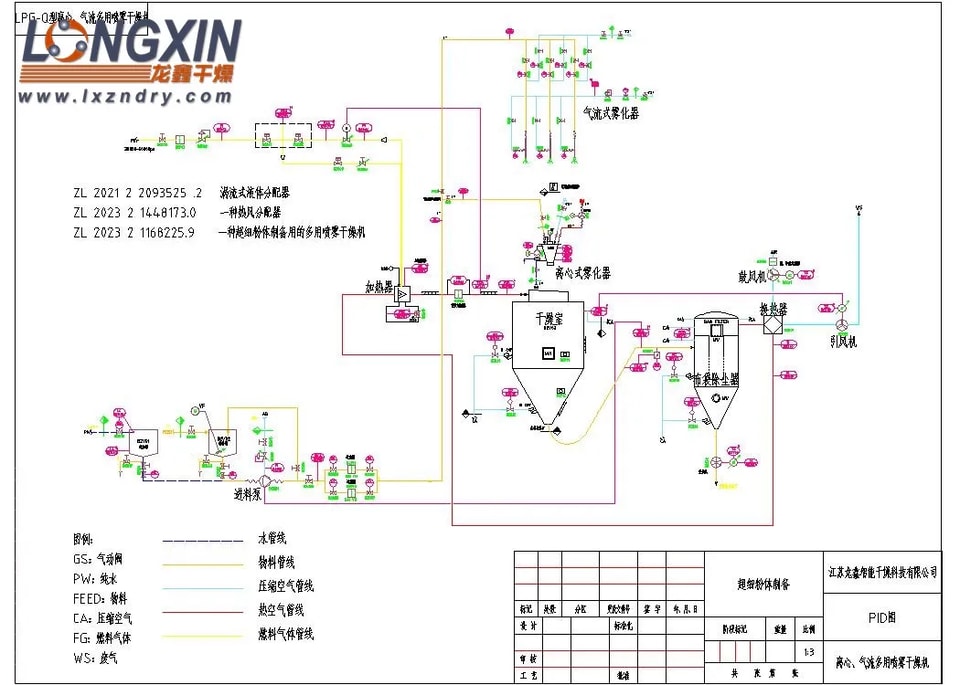
- Centrifugal atomization unit: High-speed gear-boosted atomizer achieves a disc linear velocity of 220 m/s, with adjustable rotational speeds ranging from 5,000 to 25,000 rpm via frequency converters to precisely control droplet sizes. The patented vortex liquid distribution plate (Patent No. ZL 2021 2 2093525.2) ensures uniform liquid distribution and eliminates nozzle blockages.
- Airflow atomization unit: Two-fluid atomizing nozzles operate under compressed air pressure of 0.3–0.8 MPa to atomize high-viscosity slurries (viscosity > 5,000 cP) into fine droplets. Multiple spray guns can be installed inside the hot air channel to expand production capacity when single-nozzle output is insufficient.
- Rapid mode switching: Conversion between centrifugal and airflow atomization can be completed within 30 minutes, satisfying both spherical granulation for MLCC formulation powder and fine drying of micro-nano powders.
- High-Purity & Uniformity Guarantee Technologies
- Fully sealed high-purity construction: All material contact surfaces adopt mirror-polished 316L stainless steel (Ra ≤ 0.4 μm) and zirconia ceramics. An annular air curtain lining the drying tower prevents wall adhesion of wet powder and secondary agglomeration, delivering powder purity above 99%.
- Intelligent temperature control & optimized thermal field: Multi-stage hot air distributors paired with self-adaptive PID temperature control limit temperature gradients inside the tower to ±2 °C, eliminating localized overheating risks. Optimized co-current/counter-current mixing of hot air and atomized droplets enables flexible adjustment of powder drying paths to match the thermal sensitivity of barium titanate precursors.
- Multi-stage dust removal & tail gas treatment: A high-efficiency cyclone separator paired with PTFE membrane bag filters achieves 99% dust removal efficiency, with tail gas dust content controlled below 50 mg/m³. An integrated waste heat recovery system boosts thermal efficiency by over 15%, meeting environmental protection and energy conservation standards.
- Automated & Intelligent Upgrades
- AI algorithm-driven parameter optimization: A mathematical model built on thousands of experimental datasets automatically recommends optimal drying parameters (inlet air temperature: 150–300 °C, outlet air temperature: 80–120 °C, atomization pressure, etc.) based on slurry properties including solid content, viscosity and particle size. Real-time feedback enables dynamic adjustments to guarantee consistent powder performance across all batches.
- Fault early warning & remote operation maintenance: Built-in IoT modules support remote real-time equipment monitoring. The system automatically triggers alarms and generates diagnostic reports for abnormalities such as atomizer overload or temperature deviations, lifting maintenance efficiency by 50%.
Value of Technical Innovation: Accelerating MLCC Domestic Substitution
- Cutting-Edge Performance Breakthroughs
- Particle size indicators: D50 reaches 80–100 nm with a narrower particle size distribution span than domestic competing products;
- Superior sphericity: Centrifugal granulation mode yields highly spherical powder with elevated packing density and sintered ceramic compactness;
- Premium dielectric performance: Dielectric constant, dielectric loss and temperature coefficient match top-tier international benchmarks.
- Cost Advantages for Domestic Manufacturers to Lower Costs & Boost Efficiency
- Reduced energy consumption: Energy-saving sand mill design and upgraded dryer thermal efficiency cut overall power use versus traditional processes, slashing energy costs per ton of powder;
- Higher product yield: Improved particle uniformity and powder purity raise MLCC production yields and lower manufacturing costs per ten thousand pieces;
- Optimized capital investment: The dual-mode centrifugal airflow spray dryer replaces 2–3 single-function conventional machines, cutting equipment investment by 30% and workshop footprint by 40%.
- Driving Coordinated Development of the Industrial Chain Longxin’s technical solution has been deployed at leading industry manufacturers to scale up their capacity for high-quality barium titanate powder:
- Massive capacity expansion: A single Longxin intelligent production line delivers an annual output of 5,000 tons, twice the capacity of traditional lines;
- Cross-industry technical spillover: The solution can be extended to other nano ceramic powders such as zirconia and strontium titanate, supplying core equipment for advanced materials including 5G filters and semiconductor packaging substrates.
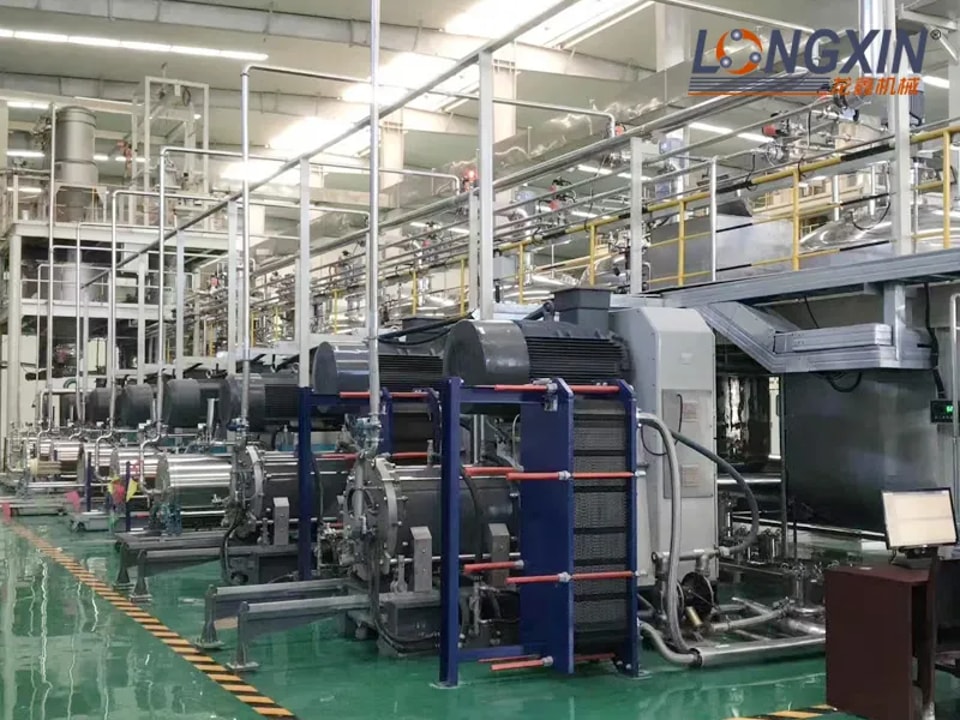
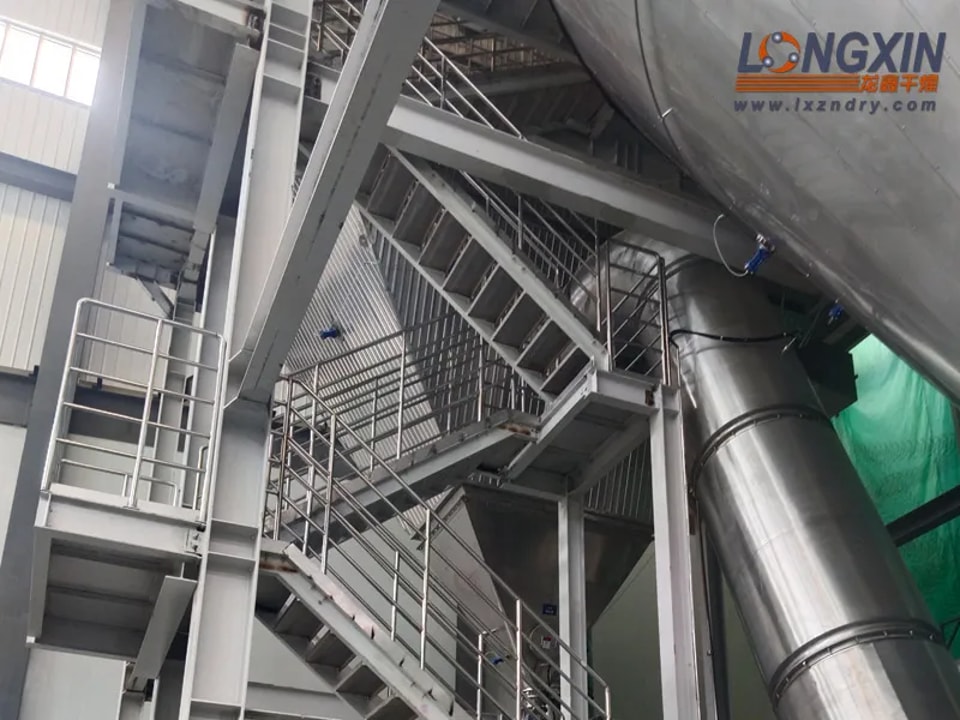
Reinforcing the Foundation of MLCC Domestic Substitution Through Technical Innovation
Contact US
×Support order samples, customization, wholesale direct, and complete payment. If the product you look for does not have corresponding customized content, pls fill out the form below to contact us, and we will reply ASAP.

- Hengshanqiao Town, Changzhou, Jiangsu Province-213119, China
- No. 2600, Zhencheng Road, Jiangyin City, Jiangsu Province, 214441, China
- 503a, 5th Floor, No.2582 Gudai Road, Minhang District, Shanghai, 201101
- techservice@longxinglobal.com.cn
 13611616575
- +86 13611616575
 +86 13611616575