
Application
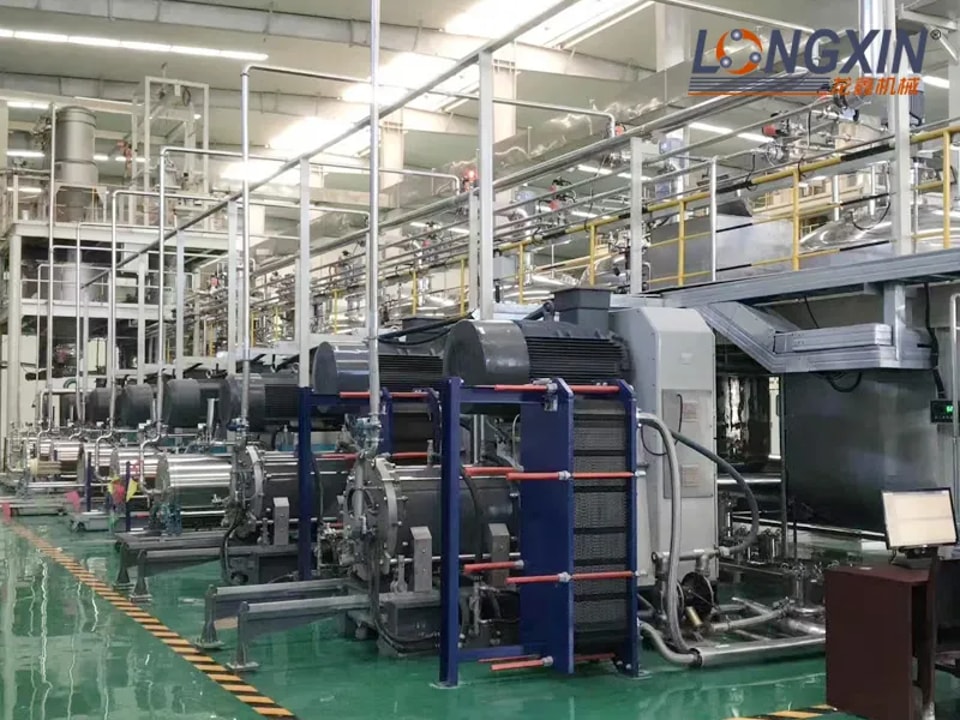 A New Journey for Fluorine Materials: Longxin Drying Boosts Efficiency in Fluoropolymer Post-TreatmentSpring brings flourishing nature and rewarding results from long-term accumulation. At Longxin Intelligent’s Pilot & Industrialization Base for Micro-Nano Material Preparation, a spray drying test for ultrafine PVDF powder used as lithium battery binders was successfully completed for a leading fluoropolymer client. From process R&D to full production line commissioning, Longxin delivers all-round drying and purification solutions for fluoropolymer post-treatment. This landmark breakthrough not only elevates Longxin’s technical prowess in high-end fluorine material equipment to new heights, but also ushers in a new era of domestic production and intelligent manufacturing for core post-treatment processes of China’s fluoropolymer industry.
Booming Market & Prominent Pain Points: Challenges Facing Fluoropolymer Post-Treatment
The rapid expansion of global new energy, semiconductor, 5G communication and aerospace industries has generated unprecedented demand for high-performance fluoropolymer materials. Fluoropolymers have become an indispensable cornerstone of strategic emerging industries, covering PVDF binders for lithium-ion batteries, perfluorosulfonic acid (PFSA) resins for proton exchange membranes at the core of hydrogen fuel cells, as well as corrosion-resistant and heat-resistant fluoroplastics including PTFE and PFA. As applications shift toward high-end scenarios, the market imposes increasingly stringent requirements on material purity, particle size distribution, flowability and batch consistency.
Despite bright market prospects, the post-treatment of fluoropolymers has long been plagued by severe bottlenecks. Traditional drying and purification processes are plagued by high energy consumption, low solvent recovery rates, severe material agglomeration and residual impurities. Especially when handling difficult materials such as PVDF slurry and suspended PTFE powder, conventional equipment cannot balance high output and superior product quality, often resulting in inconsistent material performance or even product scrapping due to cross-contamination. In addition, volatile organic solvents and wastewater generated during fluoromaterial production pose immense pressure on environmental compliance. Breaking through process bottlenecks to realize efficient, eco-friendly and intelligent post-treatment has become a critical constraint restricting high-quality development of the fluoropolymer sector.
Longxin’s Solutions: Innovative Drying Technologies Redefine Fluoropolymer Post-Treatment Standards
To address industry pain points, backed by profound technical reserves and continuous independent innovation, Longxin Drying has rolled out a full range of customized post-treatment solutions exclusively for fluoropolymers, covering the full lifecycle from laboratory R&D to large-scale industrial mass production.
1. PVDF Slurry Gas Flow Spray Dryer: An Innovative Upgrade for Battery-Grade Binders
Catering to the extreme requirements of lithium battery-grade PVDF binders for uniform particle size, low residual solvent and superior dispersibility, Longxin’s gas flow spray dryer for PVDF slurry overcomes historic process limitations and enables intelligent production lines.
Adopting exclusive gas atomization technology, the equipment precisely controls droplet size to produce powder with ideal sphericity and narrow particle size distribution after drying.
Built-in intelligent temperature control enhances the electrochemical performance and batch stability of finished products, providing solid material support for the manufacturing of high-end power batteries.
2. Gas Flow Drying System for Suspended PTFE: Resolving Contamination and Agglomeration Issues
Due to its unique suspended properties, PTFE powder is prone to agglomeration, wall adhesion and external contamination when processed with traditional drying equipment.
Longxin’s gas flow drying system for suspended PTFE features full-link optimization spanning feed pretreatment, drying, final cooling and packaging.
A specially designed gas-solid flow field maintains PTFE particles in a highly dispersed suspended state inside the drying pipeline, enabling instantaneous heat and mass exchange to eliminate caking caused by local overheating.
A fully enclosed clean design paired with an in-line filtration system completely blocks foreign impurity ingress, delivering ultra-high-purity PTFE powder that meets the demands of semiconductors and high-end anti-corrosion applications.
3. PVDF & ETFE Flash Dryers: Intelligent Upgrades Drive Cost Reduction & Productivity Growth
For fluororubbers and resins such as PVDF and ETFE, Longxin’s intelligent flash dryers integrate advanced PLC control systems and online monitoring sensors to enable real-time regulation and automatic fault diagnosis throughout the drying process.
Equipped with high-speed crushing units, the equipment leverages instant contact between fragmented wet materials and hot air to remove surface and internal moisture within a short timeframe, drastically boosting processing capacity.
Flexible parameter settings accommodate materials with varying moisture content and viscosity, cutting unit energy consumption and labor costs to help fluororubber manufacturers achieve genuine cost reduction and efficiency improvement.
4. Closed-Loop Spray Dryer for PFSA Resins: Accelerating Large-Scale Hydrogen Energy Production
As the "heart" of hydrogen fuel cells, perfluorosulfonic acid (PFSA) resins require extremely strict environmental cleanliness and solvent recovery rates during production.
Longxin’s closed-loop spray dryer for PFSA is purpose-built for scale-up production from laboratory trials to full industrialization.
Operating under an inert gas-protected closed circulation system, the equipment prevents oxidative degradation of materials while achieving near-zero organic solvent emissions and high solvent recovery efficiency.
This groundbreaking technology resolves safety and environmental challenges hindering large-scale PFSA manufacturing and speeds up the commercialization of domestically produced proton exchange membrane materials.
5. High-Purity PFA Integrated Filter-Wash-Dry Machine: A Breakthrough in Refining & Purification Processes
For high-performance fluoromaterials such as melt-processable PTFE (PFA), Longxin’s high-purity integrated filter-wash-dry machine consolidates multiple working procedures within a single vessel.
Custom stirring structures and heating modes ensure full material dispersion during washing and uniform heating during drying, effectively removing reaction byproducts and impurity ions.
The fully enclosed, dead-space-free design satisfies ultra-high purity standards for electronic-grade and medical-grade PFA resins, setting new benchmarks for fluoropolymer refining and purification processes.
Future Outlook: Customized EPC Solutions Lead Green Intelligent Manufacturing
With years of deep engagement in advanced material purification and drying, Longxin Drying has accumulated comprehensive process expertise covering all key production stages of various materials. We recognize that clients demand far more than standalone high-performance equipment—they require systematic solutions that resolve practical production challenges and strengthen overall competitiveness.
Accordingly, Longxin delivers one-stop services including process package design, core equipment fabrication, production line integration and full EPC general contracting. Our systematic solutions are fully customized to unique production tasks and client demands, guaranteeing exceptional efficiency and reliability across the entire manufacturing workflow. Whether for new factory planning or technical transformation of outdated production lines, Longxin can deliver optimal technical roadmaps.
More importantly, all Longxin solutions adhere to the philosophy of green sustainable development. Optimized thermal utilization systems and solvent recovery technology maximize raw material utilization while minimizing water and energy consumption. This not only generates substantial economic benefits for clients, but also contributes to China’s dual carbon goals and efficient utilization of environmental resources.
A Steady & Far-Reaching New Journey for Fluorine Materials
Driven by technological innovation and guided by customer demands, Longxin Drying will continue to collaborate with partners across the fluoropolymer industry to tackle persistent post-treatment challenges. We will advance China’s fluorochemical industry toward high-end, intelligent and eco-friendly development, and jointly forge a brilliant future for fluorine material innovation.Read MoreA New Journey for Fluorine Materials: Longxin Drying Boosts Efficiency in Fluoropolymer Post-TreatmentSpring brings flourishing nature and rewarding results from long-term accumulation. At Longxin Intelligent’s Pilot & Industrialization Base for Micro-Nano Material Preparation, a spray drying test for ultrafine PVDF powder used as lithium battery binders was successfully completed for a leading fluoropolymer client. From process R&D to full production line commissioning, Longxin delivers all-round drying and purification solutions for fluoropolymer post-treatment. This landmark breakthrough not only elevates Longxin’s technical prowess in high-end fluorine material equipment to new heights, but also ushers in a new era of domestic production and intelligent manufacturing for core post-treatment processes of China’s fluoropolymer industry.
Booming Market & Prominent Pain Points: Challenges Facing Fluoropolymer Post-Treatment
The rapid expansion of global new energy, semiconductor, 5G communication and aerospace industries has generated unprecedented demand for high-performance fluoropolymer materials. Fluoropolymers have become an indispensable cornerstone of strategic emerging industries, covering PVDF binders for lithium-ion batteries, perfluorosulfonic acid (PFSA) resins for proton exchange membranes at the core of hydrogen fuel cells, as well as corrosion-resistant and heat-resistant fluoroplastics including PTFE and PFA. As applications shift toward high-end scenarios, the market imposes increasingly stringent requirements on material purity, particle size distribution, flowability and batch consistency.
Despite bright market prospects, the post-treatment of fluoropolymers has long been plagued by severe bottlenecks. Traditional drying and purification processes are plagued by high energy consumption, low solvent recovery rates, severe material agglomeration and residual impurities. Especially when handling difficult materials such as PVDF slurry and suspended PTFE powder, conventional equipment cannot balance high output and superior product quality, often resulting in inconsistent material performance or even product scrapping due to cross-contamination. In addition, volatile organic solvents and wastewater generated during fluoromaterial production pose immense pressure on environmental compliance. Breaking through process bottlenecks to realize efficient, eco-friendly and intelligent post-treatment has become a critical constraint restricting high-quality development of the fluoropolymer sector.
Longxin’s Solutions: Innovative Drying Technologies Redefine Fluoropolymer Post-Treatment Standards
To address industry pain points, backed by profound technical reserves and continuous independent innovation, Longxin Drying has rolled out a full range of customized post-treatment solutions exclusively for fluoropolymers, covering the full lifecycle from laboratory R&D to large-scale industrial mass production.
1. PVDF Slurry Gas Flow Spray Dryer: An Innovative Upgrade for Battery-Grade Binders
Catering to the extreme requirements of lithium battery-grade PVDF binders for uniform particle size, low residual solvent and superior dispersibility, Longxin’s gas flow spray dryer for PVDF slurry overcomes historic process limitations and enables intelligent production lines.
Adopting exclusive gas atomization technology, the equipment precisely controls droplet size to produce powder with ideal sphericity and narrow particle size distribution after drying.
Built-in intelligent temperature control enhances the electrochemical performance and batch stability of finished products, providing solid material support for the manufacturing of high-end power batteries.
2. Gas Flow Drying System for Suspended PTFE: Resolving Contamination and Agglomeration Issues
Due to its unique suspended properties, PTFE powder is prone to agglomeration, wall adhesion and external contamination when processed with traditional drying equipment.
Longxin’s gas flow drying system for suspended PTFE features full-link optimization spanning feed pretreatment, drying, final cooling and packaging.
A specially designed gas-solid flow field maintains PTFE particles in a highly dispersed suspended state inside the drying pipeline, enabling instantaneous heat and mass exchange to eliminate caking caused by local overheating.
A fully enclosed clean design paired with an in-line filtration system completely blocks foreign impurity ingress, delivering ultra-high-purity PTFE powder that meets the demands of semiconductors and high-end anti-corrosion applications.
3. PVDF & ETFE Flash Dryers: Intelligent Upgrades Drive Cost Reduction & Productivity Growth
For fluororubbers and resins such as PVDF and ETFE, Longxin’s intelligent flash dryers integrate advanced PLC control systems and online monitoring sensors to enable real-time regulation and automatic fault diagnosis throughout the drying process.
Equipped with high-speed crushing units, the equipment leverages instant contact between fragmented wet materials and hot air to remove surface and internal moisture within a short timeframe, drastically boosting processing capacity.
Flexible parameter settings accommodate materials with varying moisture content and viscosity, cutting unit energy consumption and labor costs to help fluororubber manufacturers achieve genuine cost reduction and efficiency improvement.
4. Closed-Loop Spray Dryer for PFSA Resins: Accelerating Large-Scale Hydrogen Energy Production
As the "heart" of hydrogen fuel cells, perfluorosulfonic acid (PFSA) resins require extremely strict environmental cleanliness and solvent recovery rates during production.
Longxin’s closed-loop spray dryer for PFSA is purpose-built for scale-up production from laboratory trials to full industrialization.
Operating under an inert gas-protected closed circulation system, the equipment prevents oxidative degradation of materials while achieving near-zero organic solvent emissions and high solvent recovery efficiency.
This groundbreaking technology resolves safety and environmental challenges hindering large-scale PFSA manufacturing and speeds up the commercialization of domestically produced proton exchange membrane materials.
5. High-Purity PFA Integrated Filter-Wash-Dry Machine: A Breakthrough in Refining & Purification Processes
For high-performance fluoromaterials such as melt-processable PTFE (PFA), Longxin’s high-purity integrated filter-wash-dry machine consolidates multiple working procedures within a single vessel.
Custom stirring structures and heating modes ensure full material dispersion during washing and uniform heating during drying, effectively removing reaction byproducts and impurity ions.
The fully enclosed, dead-space-free design satisfies ultra-high purity standards for electronic-grade and medical-grade PFA resins, setting new benchmarks for fluoropolymer refining and purification processes.
Future Outlook: Customized EPC Solutions Lead Green Intelligent Manufacturing
With years of deep engagement in advanced material purification and drying, Longxin Drying has accumulated comprehensive process expertise covering all key production stages of various materials. We recognize that clients demand far more than standalone high-performance equipment—they require systematic solutions that resolve practical production challenges and strengthen overall competitiveness.
Accordingly, Longxin delivers one-stop services including process package design, core equipment fabrication, production line integration and full EPC general contracting. Our systematic solutions are fully customized to unique production tasks and client demands, guaranteeing exceptional efficiency and reliability across the entire manufacturing workflow. Whether for new factory planning or technical transformation of outdated production lines, Longxin can deliver optimal technical roadmaps.
More importantly, all Longxin solutions adhere to the philosophy of green sustainable development. Optimized thermal utilization systems and solvent recovery technology maximize raw material utilization while minimizing water and energy consumption. This not only generates substantial economic benefits for clients, but also contributes to China’s dual carbon goals and efficient utilization of environmental resources.
A Steady & Far-Reaching New Journey for Fluorine Materials
Driven by technological innovation and guided by customer demands, Longxin Drying will continue to collaborate with partners across the fluoropolymer industry to tackle persistent post-treatment challenges. We will advance China’s fluorochemical industry toward high-end, intelligent and eco-friendly development, and jointly forge a brilliant future for fluorine material innovation.Read More
A New Journey for Fluorine Materials: Longxin Drying Boosts Efficiency in Fluoropolymer Post-TreatmentSpring brings flourishing nature and rewarding results from long-term accumulation. At Longxin Intelligent’s Pilot & Industrialization Base for Micro-Nano Material Preparation, a spray drying test for ultrafine PVDF powder used as lithium battery binders was successfully completed for a leading fluoropolymer client. From process R&D to full production line commissioning, Longxin delivers all-round drying and purification solutions for fluoropolymer post-treatment. This landmark breakthrough not only elevates Longxin’s technical prowess in high-end fluorine material equipment to new heights, but also ushers in a new era of domestic production and intelligent manufacturing for core post-treatment processes of China’s fluoropolymer industry.
Booming Market & Prominent Pain Points: Challenges Facing Fluoropolymer Post-Treatment
The rapid expansion of global new energy, semiconductor, 5G communication and aerospace industries has generated unprecedented demand for high-performance fluoropolymer materials. Fluoropolymers have become an indispensable cornerstone of strategic emerging industries, covering PVDF binders for lithium-ion batteries, perfluorosulfonic acid (PFSA) resins for proton exchange membranes at the core of hydrogen fuel cells, as well as corrosion-resistant and heat-resistant fluoroplastics including PTFE and PFA. As applications shift toward high-end scenarios, the market imposes increasingly stringent requirements on material purity, particle size distribution, flowability and batch consistency.
Despite bright market prospects, the post-treatment of fluoropolymers has long been plagued by severe bottlenecks. Traditional drying and purification processes are plagued by high energy consumption, low solvent recovery rates, severe material agglomeration and residual impurities. Especially when handling difficult materials such as PVDF slurry and suspended PTFE powder, conventional equipment cannot balance high output and superior product quality, often resulting in inconsistent material performance or even product scrapping due to cross-contamination. In addition, volatile organic solvents and wastewater generated during fluoromaterial production pose immense pressure on environmental compliance. Breaking through process bottlenecks to realize efficient, eco-friendly and intelligent post-treatment has become a critical constraint restricting high-quality development of the fluoropolymer sector.
Longxin’s Solutions: Innovative Drying Technologies Redefine Fluoropolymer Post-Treatment Standards
To address industry pain points, backed by profound technical reserves and continuous independent innovation, Longxin Drying has rolled out a full range of customized post-treatment solutions exclusively for fluoropolymers, covering the full lifecycle from laboratory R&D to large-scale industrial mass production.
1. PVDF Slurry Gas Flow Spray Dryer: An Innovative Upgrade for Battery-Grade Binders
Catering to the extreme requirements of lithium battery-grade PVDF binders for uniform particle size, low residual solvent and superior dispersibility, Longxin’s gas flow spray dryer for PVDF slurry overcomes historic process limitations and enables intelligent production lines.
Adopting exclusive gas atomization technology, the equipment precisely controls droplet size to produce powder with ideal sphericity and narrow particle size distribution after drying.
Built-in intelligent temperature control enhances the electrochemical performance and batch stability of finished products, providing solid material support for the manufacturing of high-end power batteries.
2. Gas Flow Drying System for Suspended PTFE: Resolving Contamination and Agglomeration Issues
Due to its unique suspended properties, PTFE powder is prone to agglomeration, wall adhesion and external contamination when processed with traditional drying equipment.
Longxin’s gas flow drying system for suspended PTFE features full-link optimization spanning feed pretreatment, drying, final cooling and packaging.
A specially designed gas-solid flow field maintains PTFE particles in a highly dispersed suspended state inside the drying pipeline, enabling instantaneous heat and mass exchange to eliminate caking caused by local overheating.
A fully enclosed clean design paired with an in-line filtration system completely blocks foreign impurity ingress, delivering ultra-high-purity PTFE powder that meets the demands of semiconductors and high-end anti-corrosion applications.
3. PVDF & ETFE Flash Dryers: Intelligent Upgrades Drive Cost Reduction & Productivity Growth
For fluororubbers and resins such as PVDF and ETFE, Longxin’s intelligent flash dryers integrate advanced PLC control systems and online monitoring sensors to enable real-time regulation and automatic fault diagnosis throughout the drying process.
Equipped with high-speed crushing units, the equipment leverages instant contact between fragmented wet materials and hot air to remove surface and internal moisture within a short timeframe, drastically boosting processing capacity.
Flexible parameter settings accommodate materials with varying moisture content and viscosity, cutting unit energy consumption and labor costs to help fluororubber manufacturers achieve genuine cost reduction and efficiency improvement.
4. Closed-Loop Spray Dryer for PFSA Resins: Accelerating Large-Scale Hydrogen Energy Production
As the "heart" of hydrogen fuel cells, perfluorosulfonic acid (PFSA) resins require extremely strict environmental cleanliness and solvent recovery rates during production.
Longxin’s closed-loop spray dryer for PFSA is purpose-built for scale-up production from laboratory trials to full industrialization.
Operating under an inert gas-protected closed circulation system, the equipment prevents oxidative degradation of materials while achieving near-zero organic solvent emissions and high solvent recovery efficiency.
This groundbreaking technology resolves safety and environmental challenges hindering large-scale PFSA manufacturing and speeds up the commercialization of domestically produced proton exchange membrane materials.
5. High-Purity PFA Integrated Filter-Wash-Dry Machine: A Breakthrough in Refining & Purification Processes
For high-performance fluoromaterials such as melt-processable PTFE (PFA), Longxin’s high-purity integrated filter-wash-dry machine consolidates multiple working procedures within a single vessel.
Custom stirring structures and heating modes ensure full material dispersion during washing and uniform heating during drying, effectively removing reaction byproducts and impurity ions.
The fully enclosed, dead-space-free design satisfies ultra-high purity standards for electronic-grade and medical-grade PFA resins, setting new benchmarks for fluoropolymer refining and purification processes.
Future Outlook: Customized EPC Solutions Lead Green Intelligent Manufacturing
With years of deep engagement in advanced material purification and drying, Longxin Drying has accumulated comprehensive process expertise covering all key production stages of various materials. We recognize that clients demand far more than standalone high-performance equipment—they require systematic solutions that resolve practical production challenges and strengthen overall competitiveness.
Accordingly, Longxin delivers one-stop services including process package design, core equipment fabrication, production line integration and full EPC general contracting. Our systematic solutions are fully customized to unique production tasks and client demands, guaranteeing exceptional efficiency and reliability across the entire manufacturing workflow. Whether for new factory planning or technical transformation of outdated production lines, Longxin can deliver optimal technical roadmaps.
More importantly, all Longxin solutions adhere to the philosophy of green sustainable development. Optimized thermal utilization systems and solvent recovery technology maximize raw material utilization while minimizing water and energy consumption. This not only generates substantial economic benefits for clients, but also contributes to China’s dual carbon goals and efficient utilization of environmental resources.
A Steady & Far-Reaching New Journey for Fluorine Materials
Driven by technological innovation and guided by customer demands, Longxin Drying will continue to collaborate with partners across the fluoropolymer industry to tackle persistent post-treatment challenges. We will advance China’s fluorochemical industry toward high-end, intelligent and eco-friendly development, and jointly forge a brilliant future for fluorine material innovation.Read MoreA New Journey for Fluorine Materials: Longxin Drying Boosts Efficiency in Fluoropolymer Post-TreatmentSpring brings flourishing nature and rewarding results from long-term accumulation. At Longxin Intelligent’s Pilot & Industrialization Base for Micro-Nano Material Preparation, a spray drying test for ultrafine PVDF powder used as lithium battery binders was successfully completed for a leading fluoropolymer client. From process R&D to full production line commissioning, Longxin delivers all-round drying and purification solutions for fluoropolymer post-treatment. This landmark breakthrough not only elevates Longxin’s technical prowess in high-end fluorine material equipment to new heights, but also ushers in a new era of domestic production and intelligent manufacturing for core post-treatment processes of China’s fluoropolymer industry.
Booming Market & Prominent Pain Points: Challenges Facing Fluoropolymer Post-Treatment
The rapid expansion of global new energy, semiconductor, 5G communication and aerospace industries has generated unprecedented demand for high-performance fluoropolymer materials. Fluoropolymers have become an indispensable cornerstone of strategic emerging industries, covering PVDF binders for lithium-ion batteries, perfluorosulfonic acid (PFSA) resins for proton exchange membranes at the core of hydrogen fuel cells, as well as corrosion-resistant and heat-resistant fluoroplastics including PTFE and PFA. As applications shift toward high-end scenarios, the market imposes increasingly stringent requirements on material purity, particle size distribution, flowability and batch consistency.
Despite bright market prospects, the post-treatment of fluoropolymers has long been plagued by severe bottlenecks. Traditional drying and purification processes are plagued by high energy consumption, low solvent recovery rates, severe material agglomeration and residual impurities. Especially when handling difficult materials such as PVDF slurry and suspended PTFE powder, conventional equipment cannot balance high output and superior product quality, often resulting in inconsistent material performance or even product scrapping due to cross-contamination. In addition, volatile organic solvents and wastewater generated during fluoromaterial production pose immense pressure on environmental compliance. Breaking through process bottlenecks to realize efficient, eco-friendly and intelligent post-treatment has become a critical constraint restricting high-quality development of the fluoropolymer sector.
Longxin’s Solutions: Innovative Drying Technologies Redefine Fluoropolymer Post-Treatment Standards
To address industry pain points, backed by profound technical reserves and continuous independent innovation, Longxin Drying has rolled out a full range of customized post-treatment solutions exclusively for fluoropolymers, covering the full lifecycle from laboratory R&D to large-scale industrial mass production.
1. PVDF Slurry Gas Flow Spray Dryer: An Innovative Upgrade for Battery-Grade Binders
Catering to the extreme requirements of lithium battery-grade PVDF binders for uniform particle size, low residual solvent and superior dispersibility, Longxin’s gas flow spray dryer for PVDF slurry overcomes historic process limitations and enables intelligent production lines.
Adopting exclusive gas atomization technology, the equipment precisely controls droplet size to produce powder with ideal sphericity and narrow particle size distribution after drying.
Built-in intelligent temperature control enhances the electrochemical performance and batch stability of finished products, providing solid material support for the manufacturing of high-end power batteries.
2. Gas Flow Drying System for Suspended PTFE: Resolving Contamination and Agglomeration Issues
Due to its unique suspended properties, PTFE powder is prone to agglomeration, wall adhesion and external contamination when processed with traditional drying equipment.
Longxin’s gas flow drying system for suspended PTFE features full-link optimization spanning feed pretreatment, drying, final cooling and packaging.
A specially designed gas-solid flow field maintains PTFE particles in a highly dispersed suspended state inside the drying pipeline, enabling instantaneous heat and mass exchange to eliminate caking caused by local overheating.
A fully enclosed clean design paired with an in-line filtration system completely blocks foreign impurity ingress, delivering ultra-high-purity PTFE powder that meets the demands of semiconductors and high-end anti-corrosion applications.
3. PVDF & ETFE Flash Dryers: Intelligent Upgrades Drive Cost Reduction & Productivity Growth
For fluororubbers and resins such as PVDF and ETFE, Longxin’s intelligent flash dryers integrate advanced PLC control systems and online monitoring sensors to enable real-time regulation and automatic fault diagnosis throughout the drying process.
Equipped with high-speed crushing units, the equipment leverages instant contact between fragmented wet materials and hot air to remove surface and internal moisture within a short timeframe, drastically boosting processing capacity.
Flexible parameter settings accommodate materials with varying moisture content and viscosity, cutting unit energy consumption and labor costs to help fluororubber manufacturers achieve genuine cost reduction and efficiency improvement.
4. Closed-Loop Spray Dryer for PFSA Resins: Accelerating Large-Scale Hydrogen Energy Production
As the "heart" of hydrogen fuel cells, perfluorosulfonic acid (PFSA) resins require extremely strict environmental cleanliness and solvent recovery rates during production.
Longxin’s closed-loop spray dryer for PFSA is purpose-built for scale-up production from laboratory trials to full industrialization.
Operating under an inert gas-protected closed circulation system, the equipment prevents oxidative degradation of materials while achieving near-zero organic solvent emissions and high solvent recovery efficiency.
This groundbreaking technology resolves safety and environmental challenges hindering large-scale PFSA manufacturing and speeds up the commercialization of domestically produced proton exchange membrane materials.
5. High-Purity PFA Integrated Filter-Wash-Dry Machine: A Breakthrough in Refining & Purification Processes
For high-performance fluoromaterials such as melt-processable PTFE (PFA), Longxin’s high-purity integrated filter-wash-dry machine consolidates multiple working procedures within a single vessel.
Custom stirring structures and heating modes ensure full material dispersion during washing and uniform heating during drying, effectively removing reaction byproducts and impurity ions.
The fully enclosed, dead-space-free design satisfies ultra-high purity standards for electronic-grade and medical-grade PFA resins, setting new benchmarks for fluoropolymer refining and purification processes.
Future Outlook: Customized EPC Solutions Lead Green Intelligent Manufacturing
With years of deep engagement in advanced material purification and drying, Longxin Drying has accumulated comprehensive process expertise covering all key production stages of various materials. We recognize that clients demand far more than standalone high-performance equipment—they require systematic solutions that resolve practical production challenges and strengthen overall competitiveness.
Accordingly, Longxin delivers one-stop services including process package design, core equipment fabrication, production line integration and full EPC general contracting. Our systematic solutions are fully customized to unique production tasks and client demands, guaranteeing exceptional efficiency and reliability across the entire manufacturing workflow. Whether for new factory planning or technical transformation of outdated production lines, Longxin can deliver optimal technical roadmaps.
More importantly, all Longxin solutions adhere to the philosophy of green sustainable development. Optimized thermal utilization systems and solvent recovery technology maximize raw material utilization while minimizing water and energy consumption. This not only generates substantial economic benefits for clients, but also contributes to China’s dual carbon goals and efficient utilization of environmental resources.
A Steady & Far-Reaching New Journey for Fluorine Materials
Driven by technological innovation and guided by customer demands, Longxin Drying will continue to collaborate with partners across the fluoropolymer industry to tackle persistent post-treatment challenges. We will advance China’s fluorochemical industry toward high-end, intelligent and eco-friendly development, and jointly forge a brilliant future for fluorine material innovation.Read More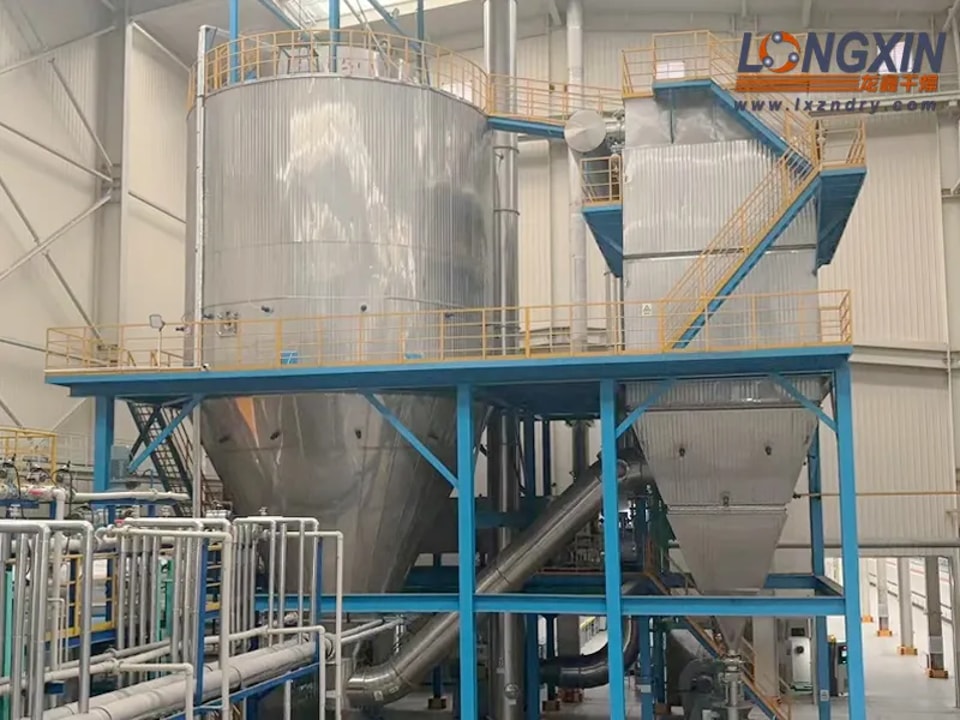 A New Journey for Fluorochemicals: Longxin Drying Elevates Post-Processing Efficiency of Fluoropolymer MaterialsSpring arrives with thriving foliage and warbling birds, a season where long-term accumulation culminates in remarkable breakthroughs. At Longxin Intelligent’s pilot base for the engineering and industrialized production of micro & nano materials, spray drying tests on ultra-fine PVDF lithium-ion battery binder powder for a leading fluoropolymer client achieved full success. From process R&D to full-line commissioning, Longxin delivers comprehensive drying and purification solutions for fluoropolymer post-processing. This landmark milestone not only marks a new leap in Longxin’s technical prowess in high-end fluoromaterial equipment, but also signals a new dawn of domestic and intelligent manufacturing for the critical post-processing links of China’s fluoropolymer industry.
Blue Ocean Market Paired with Persistent Pain Points: Challenges in Fluoropolymer Post-Processing
Currently, the rapid expansion of global new energy, semiconductor, 5G communication and aerospace industries has generated unprecedented demand for high-performance fluoropolymer materials. Ranging from PVDF binders in lithium-ion batteries, perfluorosulfonic acid resin (PFSA) proton exchange membranes — the core component of hydrogen fuel cells, to corrosion-resistant and heat-resistant fluoroplastics such as PTFE and PFA, fluoropolymer macromolecules have become an indispensable cornerstone of strategic emerging industries. As application scenarios advance toward high-end segments, the market imposes increasingly stringent standards for material purity, particle size distribution, flowability and batch consistency.
Despite broad market prospects, fluoropolymer post-processing has long been plagued by severe challenges. Conventional drying and purification processes suffer from high energy consumption, difficult solvent recovery, severe particle agglomeration and excessive residual impurities. Especially when handling difficult materials like PVDF slurry and suspended PTFE powder, existing equipment fails to balance high throughput and premium quality, often resulting in unstable product performance or even scrapped batches due to cross-contamination. In addition, volatile organic solvents and wastewater generated during fluoromaterial production impose heavy compliance burdens on environmental protection. Breaking through these process bottlenecks to realize efficient, eco-friendly and intelligent post-processing has become a critical pain point restricting the high-quality development of the fluoropolymer sector.
Longxin Custom Solutions: Innovative Drying Technology Redefines Fluoropolymer Post-Processing Standards
To address industry-wide pain points, backed by profound technical reserves and sustained independent innovation, Longxin Drying has rolled out a series of tailor-made post-processing solutions exclusively for fluoropolymers, covering the full lifecycle from laboratory R&D to large-scale industrial mass production.
1. PVDF Slurry Airflow Spray Dryer: A Revolutionary Upgrade for Battery-Grade Binders
Meeting the extreme requirements of lithium battery-grade PVDF binders for uniform particle size, low residual solvent and superior dispersibility, Longxin’s PVDF slurry airflow spray dryer transforms former process bottlenecks into intelligent production lines.
① Equipped with proprietary airflow atomization technology, it precisely controls droplet size to produce powders with ideal sphericity and narrow particle size distribution after drying.
② Built-in intelligent temperature regulation optimizes the product’s electrochemical performance and batch consistency, delivering reliable material support for high-end power battery manufacturing.
2. Suspended PTFE Airflow Drying System: Eliminating Contamination and Agglomeration Bottlenecks
Due to its unique suspended particle properties, PTFE powder is highly prone to agglomeration, wall adhesion and external contamination in traditional drying workflows.
① Longxin’s suspended PTFE airflow drying system implements full-process optimization from feed pretreatment to final cooling and packaging.
② Its specially engineered gas-solid flow field maintains PTFE particles in a highly dispersed suspended state inside the drying pipeline, enabling instant heat and mass exchange to eliminate caking caused by local overheating.
③ The fully enclosed clean design and inline filtration system completely block foreign impurity intrusion, yielding ultra-high-purity PTFE powder ideal for semiconductors and high-end anti-corrosion applications.
3. PVDF & ETFE Flash Dryer: Intelligent Upgrade for Cost Reduction & Productivity Growth
For fluororubber and resin materials including PVDF and ETFE, Longxin’s intelligent flash dryer integrates advanced PLC control systems and online monitoring sensors to enable real-time drying process adjustment and automatic fault diagnosis.
① High-speed crushing units work in tandem with instant hot air contact to rapidly remove surface and internal moisture from materials, drastically boosting processing capacity.
② Flexible parameter settings accommodate feedstock with varying moisture content and viscosity, cutting energy and labor costs per unit output and enabling genuine cost and efficiency gains for fluororubber manufacturers.
4. PFSA Closed-Circuit Spray Dryer for Perfluorosulfonic Acid Resin: Empowering Large-Scale Hydrogen Energy Production
As the "heart" of hydrogen fuel cells, the production of perfluorosulfonic acid resin (PFSA) demands near-perfect standards for environmental cleanliness and solvent recovery rates.
① Longxin’s PFSA closed-circuit spray dryer is engineered for production scaling from laboratory trials to full industrialization.
② Operating under an inert gas-protected closed circulation loop, the system prevents material oxidation and deterioration while achieving zero organic solvent emissions and ultra-high solvent recovery rates.
This groundbreaking technology resolves safety and environmental hurdles in large-scale PFSA manufacturing, accelerating the commercialization of domestically produced proton exchange membrane materials.
5. High-Purity PFA Filter-Wash-Dry All-in-One Unit: A Breakthrough for Refining & Purification Workflows
Developed for high-performance fluoromaterials such as melt-processable PTFE (PFA), Longxin’s high-purity integrated filter-wash-dry unit consolidates multiple sequential processes within a single piece of equipment.
① Its specialized stirring structure and heating design ensure full material dispersion during washing and uniform heating during drying, thoroughly removing reaction byproducts and impurity ions.
② The sealed, dead-space-free construction meets the ultra-high purity criteria for electronic-grade and medical-grade PFA resin, establishing a new benchmark for fluoropolymer refining and purification processes.
Looking to the Future: Custom EPC Solutions Lead Green Intelligent Manufacturing
With years of dedicated R&D in new material purification and drying, Longxin Drying has accumulated in-depth process expertise spanning every link of material production. We recognize that clients require far more than a single advanced machine — they demand systematic solutions that resolve practical production challenges and boost overall competitiveness.
Accordingly, Longxin delivers end-to-end services ranging from process package design and core equipment fabrication to production line integration and full EPC general contracting. Our system solutions are fully customized for specific manufacturing tasks, precisely matching unique client requirements to deliver maximum efficiency and reliability across the entire workflow. Whether planning new greenfield factories or technical retrofits for existing production lines, Longxin devises the optimal technical roadmap.
More importantly, all Longxin solutions adhere to the philosophy of green sustainable development. Optimized heat utilization systems and solvent recovery technology enable nearly complete raw material utilization while minimizing water and energy consumption. This not only delivers substantial economic benefits for clients, but also contributes to the national dual-carbon goals and efficient utilization of environmental resources.
Embark on a New Fluorochemical Journey, Forge Steady Progress for Long-Term Growth
Driven by technological innovation and guided by customer demands, Longxin Drying will continue to collaborate with partners across the fluoropolymer industry to jointly overcome post-processing challenges. We will advance China’s fluorochemical sector toward high-end, intelligent and eco-friendly manufacturing, co-creating a brilliant future for fluoromaterial development.
Translation Notes
Standard Industrial Terminology
PVDF = Polyvinylidene Fluoride; PTFE = Polytetrafluoroethylene; PFA = Perfluoroalkoxy; PFSA = Perfluorosulfonic Acid Resin; EPC = Engineering, Procurement & Construction
Slogan & Literary Adaptation
"氟启新程 行稳致远" translated as Embark on a New Fluorochemical Journey, Forge Steady Progress for Long-Term Growth to retain corporate thematic meaning for industrial marketing copy.
Typo Correction Handling
Original informal typos are converted to standard formal English without altering core technical information.
Tone Consistency
Maintained formal B2B industrial publicity style, consistent with prior powder metallurgy and fluoromaterial articles, fully retaining all technical logic and product highlights.
Industry Nomenclature Uniformity
Filter-Wash-Dry All-in-One Unit, Closed-Circuit Spray Dryer, Flash Dryer adopt globally recognized standard naming conventions for powder processing equipment.Read More
A New Journey for Fluorochemicals: Longxin Drying Elevates Post-Processing Efficiency of Fluoropolymer MaterialsSpring arrives with thriving foliage and warbling birds, a season where long-term accumulation culminates in remarkable breakthroughs. At Longxin Intelligent’s pilot base for the engineering and industrialized production of micro & nano materials, spray drying tests on ultra-fine PVDF lithium-ion battery binder powder for a leading fluoropolymer client achieved full success. From process R&D to full-line commissioning, Longxin delivers comprehensive drying and purification solutions for fluoropolymer post-processing. This landmark milestone not only marks a new leap in Longxin’s technical prowess in high-end fluoromaterial equipment, but also signals a new dawn of domestic and intelligent manufacturing for the critical post-processing links of China’s fluoropolymer industry.
Blue Ocean Market Paired with Persistent Pain Points: Challenges in Fluoropolymer Post-Processing
Currently, the rapid expansion of global new energy, semiconductor, 5G communication and aerospace industries has generated unprecedented demand for high-performance fluoropolymer materials. Ranging from PVDF binders in lithium-ion batteries, perfluorosulfonic acid resin (PFSA) proton exchange membranes — the core component of hydrogen fuel cells, to corrosion-resistant and heat-resistant fluoroplastics such as PTFE and PFA, fluoropolymer macromolecules have become an indispensable cornerstone of strategic emerging industries. As application scenarios advance toward high-end segments, the market imposes increasingly stringent standards for material purity, particle size distribution, flowability and batch consistency.
Despite broad market prospects, fluoropolymer post-processing has long been plagued by severe challenges. Conventional drying and purification processes suffer from high energy consumption, difficult solvent recovery, severe particle agglomeration and excessive residual impurities. Especially when handling difficult materials like PVDF slurry and suspended PTFE powder, existing equipment fails to balance high throughput and premium quality, often resulting in unstable product performance or even scrapped batches due to cross-contamination. In addition, volatile organic solvents and wastewater generated during fluoromaterial production impose heavy compliance burdens on environmental protection. Breaking through these process bottlenecks to realize efficient, eco-friendly and intelligent post-processing has become a critical pain point restricting the high-quality development of the fluoropolymer sector.
Longxin Custom Solutions: Innovative Drying Technology Redefines Fluoropolymer Post-Processing Standards
To address industry-wide pain points, backed by profound technical reserves and sustained independent innovation, Longxin Drying has rolled out a series of tailor-made post-processing solutions exclusively for fluoropolymers, covering the full lifecycle from laboratory R&D to large-scale industrial mass production.
1. PVDF Slurry Airflow Spray Dryer: A Revolutionary Upgrade for Battery-Grade Binders
Meeting the extreme requirements of lithium battery-grade PVDF binders for uniform particle size, low residual solvent and superior dispersibility, Longxin’s PVDF slurry airflow spray dryer transforms former process bottlenecks into intelligent production lines.
① Equipped with proprietary airflow atomization technology, it precisely controls droplet size to produce powders with ideal sphericity and narrow particle size distribution after drying.
② Built-in intelligent temperature regulation optimizes the product’s electrochemical performance and batch consistency, delivering reliable material support for high-end power battery manufacturing.
2. Suspended PTFE Airflow Drying System: Eliminating Contamination and Agglomeration Bottlenecks
Due to its unique suspended particle properties, PTFE powder is highly prone to agglomeration, wall adhesion and external contamination in traditional drying workflows.
① Longxin’s suspended PTFE airflow drying system implements full-process optimization from feed pretreatment to final cooling and packaging.
② Its specially engineered gas-solid flow field maintains PTFE particles in a highly dispersed suspended state inside the drying pipeline, enabling instant heat and mass exchange to eliminate caking caused by local overheating.
③ The fully enclosed clean design and inline filtration system completely block foreign impurity intrusion, yielding ultra-high-purity PTFE powder ideal for semiconductors and high-end anti-corrosion applications.
3. PVDF & ETFE Flash Dryer: Intelligent Upgrade for Cost Reduction & Productivity Growth
For fluororubber and resin materials including PVDF and ETFE, Longxin’s intelligent flash dryer integrates advanced PLC control systems and online monitoring sensors to enable real-time drying process adjustment and automatic fault diagnosis.
① High-speed crushing units work in tandem with instant hot air contact to rapidly remove surface and internal moisture from materials, drastically boosting processing capacity.
② Flexible parameter settings accommodate feedstock with varying moisture content and viscosity, cutting energy and labor costs per unit output and enabling genuine cost and efficiency gains for fluororubber manufacturers.
4. PFSA Closed-Circuit Spray Dryer for Perfluorosulfonic Acid Resin: Empowering Large-Scale Hydrogen Energy Production
As the "heart" of hydrogen fuel cells, the production of perfluorosulfonic acid resin (PFSA) demands near-perfect standards for environmental cleanliness and solvent recovery rates.
① Longxin’s PFSA closed-circuit spray dryer is engineered for production scaling from laboratory trials to full industrialization.
② Operating under an inert gas-protected closed circulation loop, the system prevents material oxidation and deterioration while achieving zero organic solvent emissions and ultra-high solvent recovery rates.
This groundbreaking technology resolves safety and environmental hurdles in large-scale PFSA manufacturing, accelerating the commercialization of domestically produced proton exchange membrane materials.
5. High-Purity PFA Filter-Wash-Dry All-in-One Unit: A Breakthrough for Refining & Purification Workflows
Developed for high-performance fluoromaterials such as melt-processable PTFE (PFA), Longxin’s high-purity integrated filter-wash-dry unit consolidates multiple sequential processes within a single piece of equipment.
① Its specialized stirring structure and heating design ensure full material dispersion during washing and uniform heating during drying, thoroughly removing reaction byproducts and impurity ions.
② The sealed, dead-space-free construction meets the ultra-high purity criteria for electronic-grade and medical-grade PFA resin, establishing a new benchmark for fluoropolymer refining and purification processes.
Looking to the Future: Custom EPC Solutions Lead Green Intelligent Manufacturing
With years of dedicated R&D in new material purification and drying, Longxin Drying has accumulated in-depth process expertise spanning every link of material production. We recognize that clients require far more than a single advanced machine — they demand systematic solutions that resolve practical production challenges and boost overall competitiveness.
Accordingly, Longxin delivers end-to-end services ranging from process package design and core equipment fabrication to production line integration and full EPC general contracting. Our system solutions are fully customized for specific manufacturing tasks, precisely matching unique client requirements to deliver maximum efficiency and reliability across the entire workflow. Whether planning new greenfield factories or technical retrofits for existing production lines, Longxin devises the optimal technical roadmap.
More importantly, all Longxin solutions adhere to the philosophy of green sustainable development. Optimized heat utilization systems and solvent recovery technology enable nearly complete raw material utilization while minimizing water and energy consumption. This not only delivers substantial economic benefits for clients, but also contributes to the national dual-carbon goals and efficient utilization of environmental resources.
Embark on a New Fluorochemical Journey, Forge Steady Progress for Long-Term Growth
Driven by technological innovation and guided by customer demands, Longxin Drying will continue to collaborate with partners across the fluoropolymer industry to jointly overcome post-processing challenges. We will advance China’s fluorochemical sector toward high-end, intelligent and eco-friendly manufacturing, co-creating a brilliant future for fluoromaterial development.
Translation Notes
Standard Industrial Terminology
PVDF = Polyvinylidene Fluoride; PTFE = Polytetrafluoroethylene; PFA = Perfluoroalkoxy; PFSA = Perfluorosulfonic Acid Resin; EPC = Engineering, Procurement & Construction
Slogan & Literary Adaptation
"氟启新程 行稳致远" translated as Embark on a New Fluorochemical Journey, Forge Steady Progress for Long-Term Growth to retain corporate thematic meaning for industrial marketing copy.
Typo Correction Handling
Original informal typos are converted to standard formal English without altering core technical information.
Tone Consistency
Maintained formal B2B industrial publicity style, consistent with prior powder metallurgy and fluoromaterial articles, fully retaining all technical logic and product highlights.
Industry Nomenclature Uniformity
Filter-Wash-Dry All-in-One Unit, Closed-Circuit Spray Dryer, Flash Dryer adopt globally recognized standard naming conventions for powder processing equipment.Read More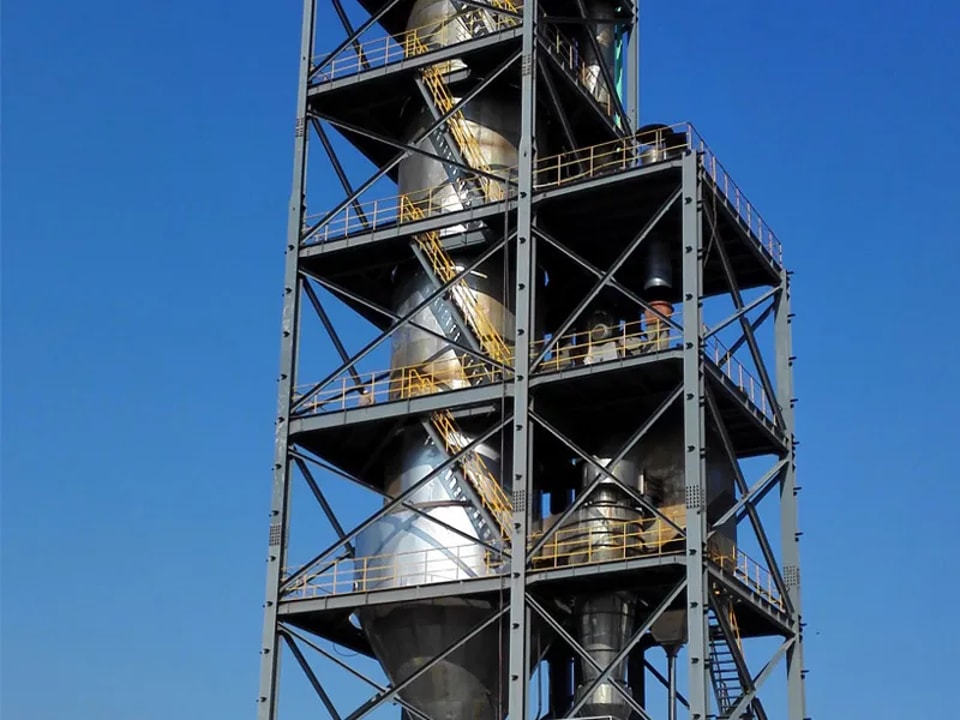 Innovative Craftsmanship Creates a Promising Future | Automated Production Line of High-Flow Disc Bead Mill and Spray Granulation Dryer Enables Mass Industrial Production of DF Dry FlowablesDriven by accelerated global agricultural modernization and increasingly stringent environmental regulations, pesticide formulations are undergoing a profound shift from traditional highly polluting, low-efficiency varieties to eco-friendly, efficient and precision-oriented products. As a premium type of water-dispersible granule, Dry Flowable (DF) features zero dust, solvent-free composition, high suspension rate and long-lasting efficacy. It has become an ideal alternative to conventional wettable powders and emulsifiable concentrates, accompanied by explosive growth in market demand.
From the market perspective, food security pressure brought by population growth fuels continuous expansion of the pesticide industry. Capable of cutting pesticide dosage and improving efficacy utilization, DF conforms to the national strategy of pesticide reduction in agriculture and is widely favored by growers. In terms of environmental policies, traditional pesticide formulations face strict restrictions due to dust pollution and volatile organic solvent emissions. In contrast, the eco-friendly properties of DF comply with regulatory standards, leading to steady expansion of its market share. Meanwhile, modern agriculture puts forward higher requirements for convenient and precise pesticide application. DF is easy to measure and compatible with various spraying methods, further expanding its application range. Widely applicable to field crops and cash crops alike, DF has evolved into one of the mainstream pesticide formulations. In the future, with continuous upgrading of core technologies including spray drying and ultrafine grinding, DF will develop toward higher purity, better stability and lower production costs. Industrial competition will center on technological innovation and mass production capacity.
Production Process Analysis of DF Dry Flowables
The manufacturing process of DF consists of four core procedures: raw material pretreatment, wet bead milling, spray granulation & drying, and post-treatment. Precise technical control of each procedure directly determines final product quality.
Raw Material Pretreatment
Strictly control the particle size and mixing ratio of pesticide technical materials and auxiliary agents. Pre-crush raw materials to meet particle size requirements, then conduct precise batching to optimize the physicochemical properties of the system, laying a solid foundation for subsequent suspension preparation.
Wet Bead Milling
This is the critical procedure to prepare fine-particle suspension. High-efficiency grinding equipment refines material particles to guarantee superior dispersibility and suspension performance of finished products.
Spray Granulation & Drying
The suspension after milling is atomized into tiny droplets via atomizers, which exchange heat and mass with hot air to form hollow spherical solid particles. This procedure requires precise control over atomization parameters, drying temperature and airflow distribution to ensure uniform and stable particles.
Post-Treatment
Remove unqualified particles through mechanical screening and air classification. A full-process quality control system is implemented to guarantee the finished products meet specified particle size distribution standards.
Breakthroughs Brought by Our Innovative Craftsmanship
Longxin Drying independently developed a complete automated production line integrating grinding and spray drying equipment for DF. It deeply combines high-flow disc bead mills and dedicated spray granulation dryers to realize full-process automatic control from raw material feeding to finished product output.
Centered on three design concepts: high efficiency, high precision and environmental protection, the line leverages process optimization and intelligent control technology to tackle persistent drawbacks of traditional production, such as low efficiency, inconsistent product quality and high pollution risks.
Equipped with an advanced real-time monitoring platform, it supports full-process digital collection and adjustment of key parameters including grinding temperature, material flow, atomization pressure, drying temperature & humidity and particle size, ensuring stable and traceable production.
The one-touch cleaning system paired with a dead-space-free design eliminates cross-contamination at the source, greatly boosting flexibility for multi-product manufacturing and delivering reliable support for large-scale industrial production.
High-Flow Disc Micron Bead Mill: High-Efficiency Milling for Superior Slurry Quality
As the core grinding equipment of the whole line, the WSP-E high-flow disc micron bead mill developed by Longxin Intelligent serves as the key facility for DF wet milling with multiple proprietary technical innovations.
It adopts a composite grinding structure of disc plates and pin rods. Disc plates break up materials and generate strong high-speed shear force, while pin rods reinforce grinding effects. Compared with traditional single-disc structures, it achieves higher grinding efficiency, eliminates most grinding dead zones and reduces material residue.
Multiple customized material options are available: ceramic, polyurethane (PU) and hardened German steel. Ceramic and PU components deliver zero metallic contamination, meeting DF’s strict purity standards and preventing impurities from damaging pesticide active ingredients.
Designed for high throughput with an increased filling rate of the grinding chamber far exceeding conventional models. Its maximum hourly processing capacity reaches 1,000 liters, greatly outperforming traditional equipment to fully satisfy mass production demands.
The jacketed cooling system realizes heat exchange with process liquid to accurately stabilize grinding temperature and effectively prevent thermal decomposition of pesticide active ingredients.
Complete safety protection configuration: an automatic pressure protection device and comprehensive electrical protection system. The machine will automatically stop and release pressure once the pressure inside the grinding chamber exceeds the preset threshold (0.2–0.4 MPa as standard). The electrical system monitors operating status in real time to guarantee safe and stable production.
The front discharge valve shortens cleaning and product switching time, improves changeover efficiency and significantly cuts time costs for multi-variety production.
Spray Granulation Dryer: Precision Drying for One-Step Pellet Forming
Custom-built for DF manufacturing, this spray granulation dryer undergoes comprehensive technical optimization targeting industry pain points, with outstanding performance in energy conservation, efficiency and product quality control.
The straight cylindrical tower body ensures uniform distribution of wind speed and heat to avoid material adhesion on tower walls.
The improved conical hot air distributor works together with baffle rectifying plates to convert hot air into stable straight airflow, reducing heat loss caused by turbulent flow and raising thermal efficiency.
Rotary pressure nozzles are adopted to solve the defects of traditional nozzles such as narrow atomization angle, short service life and high energy consumption. Droplet size can be precisely adjusted according to product requirements to ensure uniform particles.
An enlarged section or cyclone structure at the tower bottom improves material output and pellet forming rate. Matched with innovative fine powder recovery technology and dust suppression devices, it reduces material loss and optimizes the operating environment.
In terms of process control, energy utilization efficiency is maximized by optimizing the temperature difference between air inlet and outlet as well as pre-dehydration treatment. On the premise of guaranteeing product quality, the air inlet temperature can be moderately raised while exhaust temperature is lowered to reduce heat waste. Raw materials are pre-dehydrated and preheated before entering the drying tower to cut evaporation load and further improve energy-saving performance. During drying, pellet particle size can be precisely regulated by adjusting atomization pressure and hot air velocity. Combined with anti-agglomerant addition, particle adhesion is effectively inhibited, enabling finished products to feature excellent disintegration and suspension performance. Pellets produced by this dryer boast high sphericity and good flowability. They disintegrate within seconds after contacting water and maintain a high suspension rate, fully meeting core application requirements for pesticides.
Lead Industrial Transformation, Embrace a Greener Future
Featuring technological innovation as its core competitiveness, the automated DF production line combining high-flow disc bead mills and spray granulation dryers from Longxin Drying closely follows the global trend of green and reduced-dose pesticide formulations, injecting powerful momentum into agricultural green transformation. The deep integration of high-efficiency grinding and precision drying technology achieves dual improvements in DF production efficiency and product quality. Its strengths including zero metallic contamination, low energy consumption and full automation not only help manufacturers cut production costs and strengthen market competitiveness, but also drive the pesticide industry toward high-quality and sustainable development.
In the future, Longxin Drying will continue to focus on grinding and drying technology research and development. Relying on the innovation capability of its technical team, we will continuously optimize production line performance and develop more intelligent equipment tailored to diverse industrial demands. Through in-depth integration of premium equipment and self-developed proprietary processes, Longxin Drying will provide superior and more efficient solutions for the agrochemical industry, supporting more manufacturers to complete production upgrading and industrial transformation. Empowering the development of green agriculture with our innovative craftsmanship, we will write a new chapter of innovative development for the whole industry.Read More
Innovative Craftsmanship Creates a Promising Future | Automated Production Line of High-Flow Disc Bead Mill and Spray Granulation Dryer Enables Mass Industrial Production of DF Dry FlowablesDriven by accelerated global agricultural modernization and increasingly stringent environmental regulations, pesticide formulations are undergoing a profound shift from traditional highly polluting, low-efficiency varieties to eco-friendly, efficient and precision-oriented products. As a premium type of water-dispersible granule, Dry Flowable (DF) features zero dust, solvent-free composition, high suspension rate and long-lasting efficacy. It has become an ideal alternative to conventional wettable powders and emulsifiable concentrates, accompanied by explosive growth in market demand.
From the market perspective, food security pressure brought by population growth fuels continuous expansion of the pesticide industry. Capable of cutting pesticide dosage and improving efficacy utilization, DF conforms to the national strategy of pesticide reduction in agriculture and is widely favored by growers. In terms of environmental policies, traditional pesticide formulations face strict restrictions due to dust pollution and volatile organic solvent emissions. In contrast, the eco-friendly properties of DF comply with regulatory standards, leading to steady expansion of its market share. Meanwhile, modern agriculture puts forward higher requirements for convenient and precise pesticide application. DF is easy to measure and compatible with various spraying methods, further expanding its application range. Widely applicable to field crops and cash crops alike, DF has evolved into one of the mainstream pesticide formulations. In the future, with continuous upgrading of core technologies including spray drying and ultrafine grinding, DF will develop toward higher purity, better stability and lower production costs. Industrial competition will center on technological innovation and mass production capacity.
Production Process Analysis of DF Dry Flowables
The manufacturing process of DF consists of four core procedures: raw material pretreatment, wet bead milling, spray granulation & drying, and post-treatment. Precise technical control of each procedure directly determines final product quality.
Raw Material Pretreatment
Strictly control the particle size and mixing ratio of pesticide technical materials and auxiliary agents. Pre-crush raw materials to meet particle size requirements, then conduct precise batching to optimize the physicochemical properties of the system, laying a solid foundation for subsequent suspension preparation.
Wet Bead Milling
This is the critical procedure to prepare fine-particle suspension. High-efficiency grinding equipment refines material particles to guarantee superior dispersibility and suspension performance of finished products.
Spray Granulation & Drying
The suspension after milling is atomized into tiny droplets via atomizers, which exchange heat and mass with hot air to form hollow spherical solid particles. This procedure requires precise control over atomization parameters, drying temperature and airflow distribution to ensure uniform and stable particles.
Post-Treatment
Remove unqualified particles through mechanical screening and air classification. A full-process quality control system is implemented to guarantee the finished products meet specified particle size distribution standards.
Breakthroughs Brought by Our Innovative Craftsmanship
Longxin Drying independently developed a complete automated production line integrating grinding and spray drying equipment for DF. It deeply combines high-flow disc bead mills and dedicated spray granulation dryers to realize full-process automatic control from raw material feeding to finished product output.
Centered on three design concepts: high efficiency, high precision and environmental protection, the line leverages process optimization and intelligent control technology to tackle persistent drawbacks of traditional production, such as low efficiency, inconsistent product quality and high pollution risks.
Equipped with an advanced real-time monitoring platform, it supports full-process digital collection and adjustment of key parameters including grinding temperature, material flow, atomization pressure, drying temperature & humidity and particle size, ensuring stable and traceable production.
The one-touch cleaning system paired with a dead-space-free design eliminates cross-contamination at the source, greatly boosting flexibility for multi-product manufacturing and delivering reliable support for large-scale industrial production.
High-Flow Disc Micron Bead Mill: High-Efficiency Milling for Superior Slurry Quality
As the core grinding equipment of the whole line, the WSP-E high-flow disc micron bead mill developed by Longxin Intelligent serves as the key facility for DF wet milling with multiple proprietary technical innovations.
It adopts a composite grinding structure of disc plates and pin rods. Disc plates break up materials and generate strong high-speed shear force, while pin rods reinforce grinding effects. Compared with traditional single-disc structures, it achieves higher grinding efficiency, eliminates most grinding dead zones and reduces material residue.
Multiple customized material options are available: ceramic, polyurethane (PU) and hardened German steel. Ceramic and PU components deliver zero metallic contamination, meeting DF’s strict purity standards and preventing impurities from damaging pesticide active ingredients.
Designed for high throughput with an increased filling rate of the grinding chamber far exceeding conventional models. Its maximum hourly processing capacity reaches 1,000 liters, greatly outperforming traditional equipment to fully satisfy mass production demands.
The jacketed cooling system realizes heat exchange with process liquid to accurately stabilize grinding temperature and effectively prevent thermal decomposition of pesticide active ingredients.
Complete safety protection configuration: an automatic pressure protection device and comprehensive electrical protection system. The machine will automatically stop and release pressure once the pressure inside the grinding chamber exceeds the preset threshold (0.2–0.4 MPa as standard). The electrical system monitors operating status in real time to guarantee safe and stable production.
The front discharge valve shortens cleaning and product switching time, improves changeover efficiency and significantly cuts time costs for multi-variety production.
Spray Granulation Dryer: Precision Drying for One-Step Pellet Forming
Custom-built for DF manufacturing, this spray granulation dryer undergoes comprehensive technical optimization targeting industry pain points, with outstanding performance in energy conservation, efficiency and product quality control.
The straight cylindrical tower body ensures uniform distribution of wind speed and heat to avoid material adhesion on tower walls.
The improved conical hot air distributor works together with baffle rectifying plates to convert hot air into stable straight airflow, reducing heat loss caused by turbulent flow and raising thermal efficiency.
Rotary pressure nozzles are adopted to solve the defects of traditional nozzles such as narrow atomization angle, short service life and high energy consumption. Droplet size can be precisely adjusted according to product requirements to ensure uniform particles.
An enlarged section or cyclone structure at the tower bottom improves material output and pellet forming rate. Matched with innovative fine powder recovery technology and dust suppression devices, it reduces material loss and optimizes the operating environment.
In terms of process control, energy utilization efficiency is maximized by optimizing the temperature difference between air inlet and outlet as well as pre-dehydration treatment. On the premise of guaranteeing product quality, the air inlet temperature can be moderately raised while exhaust temperature is lowered to reduce heat waste. Raw materials are pre-dehydrated and preheated before entering the drying tower to cut evaporation load and further improve energy-saving performance. During drying, pellet particle size can be precisely regulated by adjusting atomization pressure and hot air velocity. Combined with anti-agglomerant addition, particle adhesion is effectively inhibited, enabling finished products to feature excellent disintegration and suspension performance. Pellets produced by this dryer boast high sphericity and good flowability. They disintegrate within seconds after contacting water and maintain a high suspension rate, fully meeting core application requirements for pesticides.
Lead Industrial Transformation, Embrace a Greener Future
Featuring technological innovation as its core competitiveness, the automated DF production line combining high-flow disc bead mills and spray granulation dryers from Longxin Drying closely follows the global trend of green and reduced-dose pesticide formulations, injecting powerful momentum into agricultural green transformation. The deep integration of high-efficiency grinding and precision drying technology achieves dual improvements in DF production efficiency and product quality. Its strengths including zero metallic contamination, low energy consumption and full automation not only help manufacturers cut production costs and strengthen market competitiveness, but also drive the pesticide industry toward high-quality and sustainable development.
In the future, Longxin Drying will continue to focus on grinding and drying technology research and development. Relying on the innovation capability of its technical team, we will continuously optimize production line performance and develop more intelligent equipment tailored to diverse industrial demands. Through in-depth integration of premium equipment and self-developed proprietary processes, Longxin Drying will provide superior and more efficient solutions for the agrochemical industry, supporting more manufacturers to complete production upgrading and industrial transformation. Empowering the development of green agriculture with our innovative craftsmanship, we will write a new chapter of innovative development for the whole industry.Read More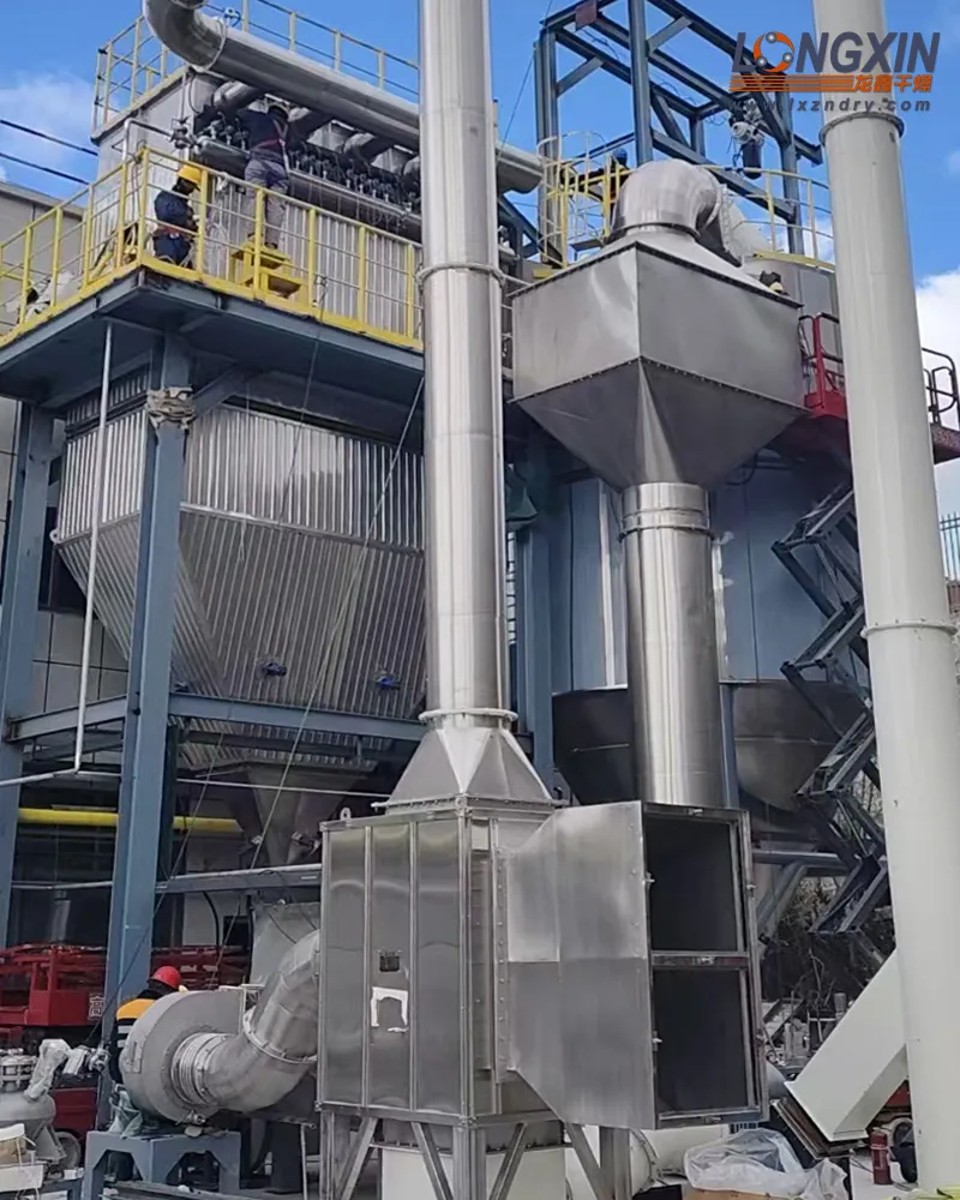 Pursuing Ultrafine & High-Purity Materials | Nano Grinding & Spray Drying Production Line for Spherical Alumina Separator Thermal Conductive Materials Boosts Lithium Battery SafetyExplosive Market Demand: Spherical Alumina Acts as Core Guarantee for Separator Thermal Conductive Materials
Amid the explosive growth of the new energy vehicle market, its whole industrial chain has entered a rapid development phase. Battery thermal management systems, the core link directly related to personal safety, are seeing exponentially rising demand for high-performance thermal conductive materials. Boasting high thermal conductivity (30–42 W/(m·K)), outstanding flowability, high filling ratio and excellent insulation & flame retardancy, spherical alumina has become the primary filler for thermal interface materials.
More crucially, in the lithium battery industry, refined alumina (including spherical alumina, boehmite, etc.) serves as an irreplaceable safety barrier as the key functional coating material for battery separators. The mainstream lithium battery separators are mainly made of polyethylene (PE) and polypropylene (PP), which feature low melting points (130–165°C) and poor thermal stability. Under high temperature or local overheating, they tend to thermally shrink or even rupture, easily triggering internal short circuits, fire hazards and explosions. Coating a layer of ultrafine high-purity alumina ceramic on one or both sides of separators can raise their heat resistance to over 500°C, effectively restrain thermal shrinkage, enhance mechanical strength and electrolyte wettability, thus drastically improving battery safety and cycle life.
As the world’s largest manufacturer of new energy vehicles and power batteries, China faces continuously surging demand for high-purity, ultrafine and spherical alumina powder, with unprecedented stringent standards on particle size distribution, purity, sphericity, dispersibility and other indicators.
High-Purity Alumina Ceramic Powder: Precision Control Chain from Raw Materials to Finished Products
The preparation of high-purity alumina ceramics constitutes a precision manufacturing chain integrating chemical purification, physical forming and high-temperature sintering, whose core lies in the ultra-fining, high-purification and spheroidization of raw powder. In traditional processes, industrial alumina has to go through multiple procedures including Bayer process purification, wet ball milling, washing & impurity removal, calcination for crystal phase transformation (α-Al₂O₃) and spray granulation to produce powder suitable for high-end ceramics or battery separator coating.
Nevertheless, conventional grinding equipment struggles to prepare nano-scale alumina slurry with D50 ≤ 1μm, narrow particle distribution, zero agglomeration and ultra-low metallic impurities. Meanwhile, traditional spray drying towers suffer from uneven atomization, turbulent hot air, low powder recovery rate and high hollow particle ratio, which severely undermine the flowability and sintering density of final powder. Therefore, the integrated production line combining nano grinding and intelligent spray drying is the key to breaking bottlenecks in manufacturing high-end alumina powder.
Longxin Intelligent: Integrated Line of High-Flow Pin-Type Nano Bead Mill & High-Temperature Spray Drying Tower for Ultrafine High-Purity Spherical Alumina Production
To address the urgent demand for high-safety battery materials in the new energy industry, Longxin Intelligent has innovatively launched an integrated production line consisting of high-flow pin-type nano bead mills and high-temperature intelligent spray drying towers. Custom-tailored for high-end powders such as spherical alumina, boehmite, activated alumina, nano alumina and high-purity granulated alumina, this line comprehensively elevates the quality of separator thermal conductive materials.
Centered on four core links: ultrafine grinding, precise separation, efficient granulation and intelligent control, the line forms a full closed-loop workflow from raw slurry to high-flow spherical powder, ensuring finished products comply with strict standards for power battery separator coating: high purity, narrow particle size distribution, high sphericity and low metallic impurity content.
How Longxin WSP Series High-Flow Pin-Type Nano Bead Mills Achieve Superior, Stable & Cost-Efficient Grinding
Longxin Intelligent WSP series high-flow pin-type nano bead mills redefine the limits of nano grinding via three core technological innovations:
Composite Turbine-Pin 3D Grinding System
Inside the silicon carbide grinding chamber, materials are subjected to dual forces of circumferential vortex flow and radial impact. Matched with 0.2–0.5 mm high-roundness zirconia beads, particles are refined through combined shear, collision and extrusion, enabling stable control of D50 between 100 nm and 2 μm.
Screenless Centrifugal Separation Technology
Fully eliminating traditional metal screens, it separates grinding media and slurry via centrifugal force fields to completely avoid screen clogging and metallic contamination. It supports ultra-long continuous operation and meets cleanliness requirements for high-purity material production.
Intelligent Closed-Loop Control System
Integrated with PLC, temperature/pressure sensors and online particle size detectors, the system can link with MES systems to realize automatic parameter adjustment, full quality traceability and flexible product changeover, compatible with multiple material systems including lithium iron phosphate, silicon-carbon anodes and boehmite.
The silicon carbide grinding chamber delivers 3 times higher thermal conductivity than stainless steel. Paired with jacket wall cooling, it maintains low discharge temperature, effectively preventing phase transformation or agglomeration of heat-sensitive materials like boehmite and stabilizing slurry performance.
High-Temperature Spray Drying Tower: CFD Simulation & Fully Self-Developed Technology for High-Sphericity Granulated Powder
Customized for high-quality slurry after nano grinding, Longxin Intelligent’s high-temperature intelligent spray drying tower features five technical highlights to guarantee flowability, sphericity and recovery rate of granulated powder:
CFD-Optimized Hot Air Distribution System
Numerical simulation precisely regulates the internal hot air flow field to realize uniform drying, eliminating local overheating or incomplete drying.
Fully Self-Developed Ultra-High-Speed Centrifugal Atomizer
Rotational speed reaches up to 20,000 rpm, generating finer atomized droplets with narrower size distribution and boosting pellet spheroidization rate.
Customizable Atomizer Disks for Multiple Scenarios
Flat disks, toothed disks and composite disks are available to adapt to alumina, boehmite and other slurries with varying viscosity and solid content.
Dual Oil-Air Cooling System with Real-Time Monitoring
Enables long-term stable operation of the atomizer under working temperatures above 200°C.
Advanced Offline Pulse Bag Dust Collector
CFD-optimized flow field structure fitted with heat-resistant filter bags (temperature resistance ≥200°C) and cold air protection system achieves powder recovery rate over 99%, minimizing loss of ultrafine powder.
Alumina powder granulated by this system boasts high sphericity and excellent flowability, which can be directly fed into automatic coating lines and greatly improve the uniformity and adhesion of separator coating layers.
Integration of Multi-Dimensional Energy-Saving Technologies: Longxin Intelligent Develops High-Efficiency Low-Consumption Spray Drying Systems
As high-energy-consuming equipment, spray drying towers usually see energy costs account for over 50% of total operating expenses. Through systematic multi-dimensional energy-saving strategies in equipment design and practical application, Longxin Intelligent effectively cuts energy consumption, lifts thermal efficiency and unifies high-efficiency drying with green manufacturing. Core energy-saving technical routes are listed below:
Hot Air Energy Management to Improve Heat Utilization Efficiency
Optimized temperature difference between air inlet and outlet: Raise inlet air temperature on the premise of qualified powder moisture content to reduce required hot air volume.
Waste heat recovery system: High-temperature exhaust gas carries 10–20% of process heat. Longxin Intelligent standardly equips air-air heat exchangers or exhaust recirculation preheating modules. Recovered waste heat can preheat fresh intake air to lower the load of main heaters, and preheat feed slurry to 40–60°C to reduce viscosity and optimize atomization effect.
Precise Regulation of Process Parameters to Cut Energy Consumption at the Source
Elevate feed solid content: Raising the solid loading of alumina slurry from 30% to 45–50% reduces water evaporation volume by nearly 30%, directly slashing energy consumption by over 20%. High-solid low-viscosity slurry produced by Longxin nano bead mills provides reliable support for high-concentration feeding.
Intelligent atomization matching: Variable-frequency centrifugal atomizers dynamically adjust rotational speed according to slurry properties to ensure uniform droplet size, avoiding secondary drying or fine powder loss caused by oversized droplets. Even atomization shortens drying duration and eliminates invalid heat loss.
Stable Continuous Feeding
High-precision screw pumps with PID flow closed-loop control eliminate temperature fluctuations induced by unstable feeding, stabilize the thermal field inside the tower and avoid repeated reheating cycles.
Optimized Equipment Structure & System Design
High-efficiency dust collection and powder recovery: Heat-resistant bag dust collectors with offline ash cleaning achieve recovery rate above 99%. Reduced material loss equals lower energy consumption per unit product. Automatic periodic ash cleaning stabilizes system pressure drop and cuts power consumption of induced draft fans.
Intelligent Control System for Dynamic Energy Conservation
3D thermal field monitoring: Multi-point sensors installed at air inlet, drying zone and air outlet build real-time thermal distribution models.
Adaptive algorithm parameter tuning: Automatically adjust inlet air temperature, atomizer rotational speed and exhaust air volume based on feed concentration and ambient temperature & humidity to keep equipment running at the minimum valid energy consumption point.
Recipe storage & one-click switching: Pre-save optimal drying curves for spherical alumina, boehmite, activated alumina and other materials to eliminate energy waste from trial-and-error process adjustment.
Intelligent Production Lines Safeguard Battery Performance: From Controllable Material Properties to Reliable System Operation
Longxin Intelligent’s integrated nano grinding & spray drying line not only solves manufacturing challenges of spherical alumina powder (ultrafine particle size, high purity and high sphericity), but also realizes batch consistency, full traceability and flexible production via full-process intelligent control. This solution has been successfully deployed in many leading battery material manufacturers to produce functional coatings such as spherical alumina and boehmite composite layers for power battery separators.
In an era prioritizing new energy safety, every micron of material precision matters to the travel safety of thousands of end users. Longxin Intelligent will keep deepening R&D of nano grinding and intelligent drying technologies, adhering to the mission of matching equipment performance with industrial demands. We deliver stable, efficient and intelligent full-process solutions for customers producing high-end powders including spherical alumina, high-purity alumina ceramic powder and boehmite, empowering the new energy industrial chain to step into a new era of higher safety and superior performance.Read More
Pursuing Ultrafine & High-Purity Materials | Nano Grinding & Spray Drying Production Line for Spherical Alumina Separator Thermal Conductive Materials Boosts Lithium Battery SafetyExplosive Market Demand: Spherical Alumina Acts as Core Guarantee for Separator Thermal Conductive Materials
Amid the explosive growth of the new energy vehicle market, its whole industrial chain has entered a rapid development phase. Battery thermal management systems, the core link directly related to personal safety, are seeing exponentially rising demand for high-performance thermal conductive materials. Boasting high thermal conductivity (30–42 W/(m·K)), outstanding flowability, high filling ratio and excellent insulation & flame retardancy, spherical alumina has become the primary filler for thermal interface materials.
More crucially, in the lithium battery industry, refined alumina (including spherical alumina, boehmite, etc.) serves as an irreplaceable safety barrier as the key functional coating material for battery separators. The mainstream lithium battery separators are mainly made of polyethylene (PE) and polypropylene (PP), which feature low melting points (130–165°C) and poor thermal stability. Under high temperature or local overheating, they tend to thermally shrink or even rupture, easily triggering internal short circuits, fire hazards and explosions. Coating a layer of ultrafine high-purity alumina ceramic on one or both sides of separators can raise their heat resistance to over 500°C, effectively restrain thermal shrinkage, enhance mechanical strength and electrolyte wettability, thus drastically improving battery safety and cycle life.
As the world’s largest manufacturer of new energy vehicles and power batteries, China faces continuously surging demand for high-purity, ultrafine and spherical alumina powder, with unprecedented stringent standards on particle size distribution, purity, sphericity, dispersibility and other indicators.
High-Purity Alumina Ceramic Powder: Precision Control Chain from Raw Materials to Finished Products
The preparation of high-purity alumina ceramics constitutes a precision manufacturing chain integrating chemical purification, physical forming and high-temperature sintering, whose core lies in the ultra-fining, high-purification and spheroidization of raw powder. In traditional processes, industrial alumina has to go through multiple procedures including Bayer process purification, wet ball milling, washing & impurity removal, calcination for crystal phase transformation (α-Al₂O₃) and spray granulation to produce powder suitable for high-end ceramics or battery separator coating.
Nevertheless, conventional grinding equipment struggles to prepare nano-scale alumina slurry with D50 ≤ 1μm, narrow particle distribution, zero agglomeration and ultra-low metallic impurities. Meanwhile, traditional spray drying towers suffer from uneven atomization, turbulent hot air, low powder recovery rate and high hollow particle ratio, which severely undermine the flowability and sintering density of final powder. Therefore, the integrated production line combining nano grinding and intelligent spray drying is the key to breaking bottlenecks in manufacturing high-end alumina powder.
Longxin Intelligent: Integrated Line of High-Flow Pin-Type Nano Bead Mill & High-Temperature Spray Drying Tower for Ultrafine High-Purity Spherical Alumina Production
To address the urgent demand for high-safety battery materials in the new energy industry, Longxin Intelligent has innovatively launched an integrated production line consisting of high-flow pin-type nano bead mills and high-temperature intelligent spray drying towers. Custom-tailored for high-end powders such as spherical alumina, boehmite, activated alumina, nano alumina and high-purity granulated alumina, this line comprehensively elevates the quality of separator thermal conductive materials.
Centered on four core links: ultrafine grinding, precise separation, efficient granulation and intelligent control, the line forms a full closed-loop workflow from raw slurry to high-flow spherical powder, ensuring finished products comply with strict standards for power battery separator coating: high purity, narrow particle size distribution, high sphericity and low metallic impurity content.
How Longxin WSP Series High-Flow Pin-Type Nano Bead Mills Achieve Superior, Stable & Cost-Efficient Grinding
Longxin Intelligent WSP series high-flow pin-type nano bead mills redefine the limits of nano grinding via three core technological innovations:
Composite Turbine-Pin 3D Grinding System
Inside the silicon carbide grinding chamber, materials are subjected to dual forces of circumferential vortex flow and radial impact. Matched with 0.2–0.5 mm high-roundness zirconia beads, particles are refined through combined shear, collision and extrusion, enabling stable control of D50 between 100 nm and 2 μm.
Screenless Centrifugal Separation Technology
Fully eliminating traditional metal screens, it separates grinding media and slurry via centrifugal force fields to completely avoid screen clogging and metallic contamination. It supports ultra-long continuous operation and meets cleanliness requirements for high-purity material production.
Intelligent Closed-Loop Control System
Integrated with PLC, temperature/pressure sensors and online particle size detectors, the system can link with MES systems to realize automatic parameter adjustment, full quality traceability and flexible product changeover, compatible with multiple material systems including lithium iron phosphate, silicon-carbon anodes and boehmite.
The silicon carbide grinding chamber delivers 3 times higher thermal conductivity than stainless steel. Paired with jacket wall cooling, it maintains low discharge temperature, effectively preventing phase transformation or agglomeration of heat-sensitive materials like boehmite and stabilizing slurry performance.
High-Temperature Spray Drying Tower: CFD Simulation & Fully Self-Developed Technology for High-Sphericity Granulated Powder
Customized for high-quality slurry after nano grinding, Longxin Intelligent’s high-temperature intelligent spray drying tower features five technical highlights to guarantee flowability, sphericity and recovery rate of granulated powder:
CFD-Optimized Hot Air Distribution System
Numerical simulation precisely regulates the internal hot air flow field to realize uniform drying, eliminating local overheating or incomplete drying.
Fully Self-Developed Ultra-High-Speed Centrifugal Atomizer
Rotational speed reaches up to 20,000 rpm, generating finer atomized droplets with narrower size distribution and boosting pellet spheroidization rate.
Customizable Atomizer Disks for Multiple Scenarios
Flat disks, toothed disks and composite disks are available to adapt to alumina, boehmite and other slurries with varying viscosity and solid content.
Dual Oil-Air Cooling System with Real-Time Monitoring
Enables long-term stable operation of the atomizer under working temperatures above 200°C.
Advanced Offline Pulse Bag Dust Collector
CFD-optimized flow field structure fitted with heat-resistant filter bags (temperature resistance ≥200°C) and cold air protection system achieves powder recovery rate over 99%, minimizing loss of ultrafine powder.
Alumina powder granulated by this system boasts high sphericity and excellent flowability, which can be directly fed into automatic coating lines and greatly improve the uniformity and adhesion of separator coating layers.
Integration of Multi-Dimensional Energy-Saving Technologies: Longxin Intelligent Develops High-Efficiency Low-Consumption Spray Drying Systems
As high-energy-consuming equipment, spray drying towers usually see energy costs account for over 50% of total operating expenses. Through systematic multi-dimensional energy-saving strategies in equipment design and practical application, Longxin Intelligent effectively cuts energy consumption, lifts thermal efficiency and unifies high-efficiency drying with green manufacturing. Core energy-saving technical routes are listed below:
Hot Air Energy Management to Improve Heat Utilization Efficiency
Optimized temperature difference between air inlet and outlet: Raise inlet air temperature on the premise of qualified powder moisture content to reduce required hot air volume.
Waste heat recovery system: High-temperature exhaust gas carries 10–20% of process heat. Longxin Intelligent standardly equips air-air heat exchangers or exhaust recirculation preheating modules. Recovered waste heat can preheat fresh intake air to lower the load of main heaters, and preheat feed slurry to 40–60°C to reduce viscosity and optimize atomization effect.
Precise Regulation of Process Parameters to Cut Energy Consumption at the Source
Elevate feed solid content: Raising the solid loading of alumina slurry from 30% to 45–50% reduces water evaporation volume by nearly 30%, directly slashing energy consumption by over 20%. High-solid low-viscosity slurry produced by Longxin nano bead mills provides reliable support for high-concentration feeding.
Intelligent atomization matching: Variable-frequency centrifugal atomizers dynamically adjust rotational speed according to slurry properties to ensure uniform droplet size, avoiding secondary drying or fine powder loss caused by oversized droplets. Even atomization shortens drying duration and eliminates invalid heat loss.
Stable Continuous Feeding
High-precision screw pumps with PID flow closed-loop control eliminate temperature fluctuations induced by unstable feeding, stabilize the thermal field inside the tower and avoid repeated reheating cycles.
Optimized Equipment Structure & System Design
High-efficiency dust collection and powder recovery: Heat-resistant bag dust collectors with offline ash cleaning achieve recovery rate above 99%. Reduced material loss equals lower energy consumption per unit product. Automatic periodic ash cleaning stabilizes system pressure drop and cuts power consumption of induced draft fans.
Intelligent Control System for Dynamic Energy Conservation
3D thermal field monitoring: Multi-point sensors installed at air inlet, drying zone and air outlet build real-time thermal distribution models.
Adaptive algorithm parameter tuning: Automatically adjust inlet air temperature, atomizer rotational speed and exhaust air volume based on feed concentration and ambient temperature & humidity to keep equipment running at the minimum valid energy consumption point.
Recipe storage & one-click switching: Pre-save optimal drying curves for spherical alumina, boehmite, activated alumina and other materials to eliminate energy waste from trial-and-error process adjustment.
Intelligent Production Lines Safeguard Battery Performance: From Controllable Material Properties to Reliable System Operation
Longxin Intelligent’s integrated nano grinding & spray drying line not only solves manufacturing challenges of spherical alumina powder (ultrafine particle size, high purity and high sphericity), but also realizes batch consistency, full traceability and flexible production via full-process intelligent control. This solution has been successfully deployed in many leading battery material manufacturers to produce functional coatings such as spherical alumina and boehmite composite layers for power battery separators.
In an era prioritizing new energy safety, every micron of material precision matters to the travel safety of thousands of end users. Longxin Intelligent will keep deepening R&D of nano grinding and intelligent drying technologies, adhering to the mission of matching equipment performance with industrial demands. We deliver stable, efficient and intelligent full-process solutions for customers producing high-end powders including spherical alumina, high-purity alumina ceramic powder and boehmite, empowering the new energy industrial chain to step into a new era of higher safety and superior performance.Read More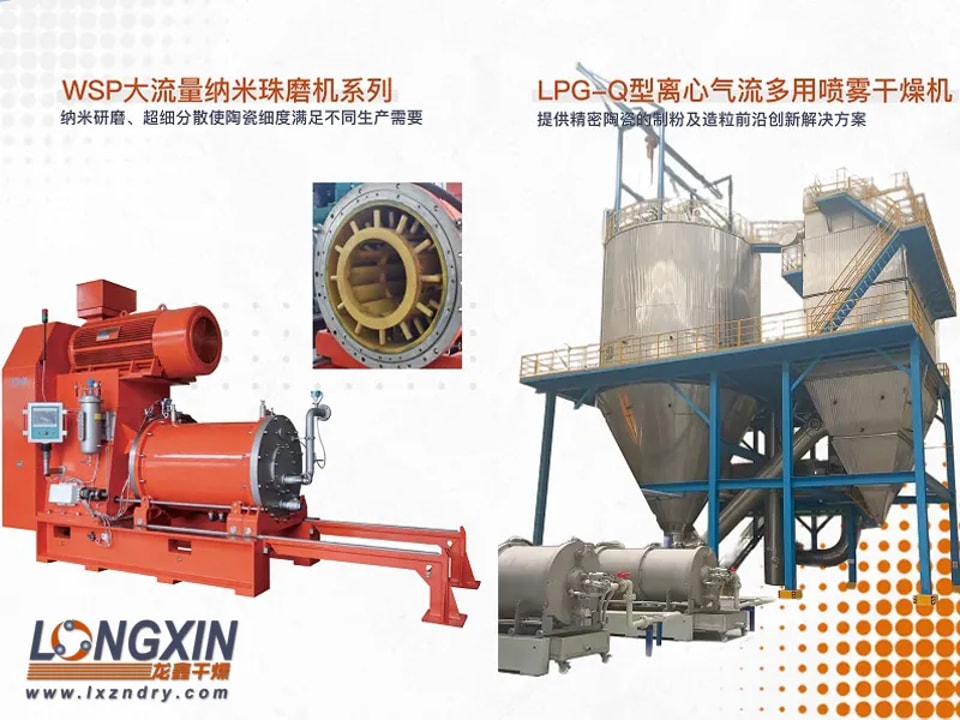 AI Fuels MLCC Market Growth; Breakthroughs in Barium Titanate Powder Spray Dryers Boost Rapid Domestic SubstitutionMarket Opportunities and Challenges of Barium Titanate Powder Amid the AI Boom
As AI technology penetrates 5G communications, IoT, automotive electronics and other sectors, demand for MLCCs, known as the "industrial staple", has exploded. Statistics show that premium 5G smartphones consume more MLCCs than their 4G counterparts, while new energy vehicles use five times as many MLCCs as conventional fuel cars in power systems, ranging from 2,000 to 2,500 pieces. The global MLCC market size is expected to exceed 149 billion RMB by 2025. As the world’s largest consumer market accounting for 45% of global demand, China boasts huge potential for domestic substitution.
As the core dielectric raw material of MLCCs, barium titanate (BaTiO₃) directly determines the dielectric constant, reliability and miniaturization potential of MLCCs. High-purity nano-sized barium titanate powder has become the mainstream market product. After sintering, it forms dense sintered bodies that enhance ceramic toughness and strength while lowering sintering temperatures. Nevertheless, the global high-end barium titanate powder market has long been monopolized by enterprises including Japan’s Sakai Chemical and U.S.-based Ferro. Domestic leading firm Sinocera holds merely 10% market share, making domestic substitution of high-performance powder an urgent priority.
Core Bottlenecks Restricting Domestic Production of Barium Titanate MLCC Powder
Liquid-phase methods (hydrothermal synthesis, sol-gel method, etc.) dominate the preparation of barium titanate MLCC powder. Grinding and drying are core processes governing powder quality, yet they are plagued by four major technical bottlenecks:
(1) Pain Points in the Grinding Stage
Severe particle agglomeration: Nano barium titanate has a large specific surface area, and van der Waals forces readily trigger hard agglomeration during grinding, worsening powder flowability and increasing porosity of sintered ceramics.
Uneven particle size distribution: Fluctuations in the rotational speed and media ratio of traditional sand mills widen the particle size span factor (ideal value < 1.2), resulting in inconsistent dielectric performance of MLCCs.
Risk of impurity contamination: Wear of grinding media and equipment surfaces easily introduces metallic impurities. Excess Fe²⁺, for instance, will degrade the insulation performance of MLCCs.
Conflict between energy consumption and efficiency: Conventional equipment requires over 8 hours of grinding to reach D50 = 100 nm, consuming massive energy and risking crystal phase transformation of barium titanate, which reduces its dielectric constant.
(2) Challenges in the Drying Stage
Thermal susceptibility defects: Barium titanate tends to undergo crystal transformation when drying temperature exceeds 200 °C, leading to higher dielectric loss.
Poor particle size control: Standard spray dryers feature a wide droplet size distribution (±10%), resulting in uneven powder particle sizes after drying and impairing uniformity during MLCC lamination molding.
Wall adhesion and contamination: Wet powder sticks to tower walls and forms secondary agglomerates. If the equipment is made of ordinary stainless steel, the leaching rate of Fe and Ni ions can reach 0.05%, lowering powder purity.
Insufficient sphericity: Traditional processes fail to achieve high spherical granulation (sphericity < 70%), leading to sintered MLCC compactness below 95% and unstable electrical performance.
Longxin Intelligent Full-Chain Solution: Disruptive Innovation Covering Grinding to Drying
To address the above pain points, Longxin Intelligent launches an integrated solution combining turbine pin-type nano dual-power sand mill and centrifugal airflow multi-purpose spray dryer, enabling precise full-process control.
Turbine Pin-Type Nano Dual-Power Sand Mill: Revolutionary Breakthrough in Grinding Technology
Dual-Power Feeding & Silicon Carbide Grinding Chamber
A combined screw pump and peristaltic pump feeding system delivers precise flow control from 50 to 1000 L/h, compatible with slurries of various solid contents. The grinding chamber lined with silicon carbide features over 10 times higher wear resistance and superior thermal conductivity compared with conventional stainless steel. It stabilizes chamber temperature within a narrow range and eliminates crystal phase transformation of barium titanate caused by overheating.
The hybrid turbine-pin disperser generates 3D turbulent flow. Raw powder with D50 = 5 μm can be refined to a smaller D50 with a low particle size span factor after treatment.
Screenless Centrifugal Separation Technology
The self-developed screenless centrifugal separator is equipped with an independent drive motor adjustable from 5,000 to 12,000 rpm. During operation, centrifugal force from the disperser pushes 99% of zirconia grinding beads toward the chamber periphery to flow alongside materials and reduce collision wear. The high-speed rotating separator generates centrifugal force exceeding pump pressure to retain zirconia beads inside the chamber, while materials flow out through the separator center. Separation efficiency hits 99.9% with minimal bead wear, completely solving screen clogging issues.
Intelligent Control System
Integrated PLC algorithms monitor multiple parameters in real time and automatically optimize grinding strategies. Variable frequency drive technology cuts energy consumption and boosts grinding efficiency, shortening processing cycles compared with traditional equipment.
Centrifugal Airflow Multi-Purpose Spray Dryer: Precision Control for Drying and Granulation
Dual-Mode Atomization System
Centrifugal atomization unit: The high-speed gear-boosted atomizer achieves a disc linear velocity of 220 m/s with adjustable rotational speed for accurate droplet size control. The patented vortex liquid distribution plate (Patent No. ZL 2021 2 2093525.2) prevents nozzle blockage and delivers high-sphericity spherical granulation.
Airflow atomization unit: Two-fluid atomizing nozzles paired with compressed air can atomize high-viscosity slurries. Multiple spray guns can be installed to expand production capacity when a single nozzle cannot meet output demands, catering to micro-nano powder manufacturing.
Switching between the two modes can be completed within 30 minutes to satisfy diverse process requirements for MLCC formulation powder.
High-Purity & Uniformity Assurance Technology
All material contact components adopt mirror-polished 316L stainless steel (low Ra value) and zirconia ceramics. An annular air curtain inside the drying tower avoids wall adhesion and secondary agglomeration, delivering powder purity above 99%.
A multi-stage hot air distributor paired with a PID temperature control system maintains precise temperature gradients inside the tower. Optimized mixing modes of hot air and liquid droplets accommodate the thermal sensitivity of barium titanate precursors.
Automation & Intelligent Upgrades
An AI model built on thousands of experimental datasets automatically recommends optimal drying parameters (inlet air temperature: 150–300 °C, outlet air temperature: 80–120 °C) and dynamically adjusts settings in real time. Built-in IoT modules support remote equipment monitoring, shorten fault early warning response time and improve maintenance efficiency.
Value of Technological Innovation: Core Engine for Domestic Substitution
Superior performance indicators: Uniform particle size, high sphericity, high dielectric constant and low dielectric loss, reaching the top-tier level of equivalent products worldwide.
Distinct cost advantages: Reduced overall energy consumption, lower production cost per ton of powder and higher MLCC manufacturing yield.
Expanded production capacity: A single intelligent production line delivers high annual output, double the capacity of traditional lines, helping electronic ceramic material manufacturers gain access to major supply chains.
Driven by the AI trend toward miniaturization and high performance of electronic components, Longxin Intelligent delivers core equipment support branded "Longxin Intelligent Manufacturing" for MLCC domestic substitution through full-chain technological breakthroughs in grinding and drying. The company accelerates the localization rate of barium titanate powder and reshapes the industrial landscape of electronic ceramic materials.
Read More
AI Fuels MLCC Market Growth; Breakthroughs in Barium Titanate Powder Spray Dryers Boost Rapid Domestic SubstitutionMarket Opportunities and Challenges of Barium Titanate Powder Amid the AI Boom
As AI technology penetrates 5G communications, IoT, automotive electronics and other sectors, demand for MLCCs, known as the "industrial staple", has exploded. Statistics show that premium 5G smartphones consume more MLCCs than their 4G counterparts, while new energy vehicles use five times as many MLCCs as conventional fuel cars in power systems, ranging from 2,000 to 2,500 pieces. The global MLCC market size is expected to exceed 149 billion RMB by 2025. As the world’s largest consumer market accounting for 45% of global demand, China boasts huge potential for domestic substitution.
As the core dielectric raw material of MLCCs, barium titanate (BaTiO₃) directly determines the dielectric constant, reliability and miniaturization potential of MLCCs. High-purity nano-sized barium titanate powder has become the mainstream market product. After sintering, it forms dense sintered bodies that enhance ceramic toughness and strength while lowering sintering temperatures. Nevertheless, the global high-end barium titanate powder market has long been monopolized by enterprises including Japan’s Sakai Chemical and U.S.-based Ferro. Domestic leading firm Sinocera holds merely 10% market share, making domestic substitution of high-performance powder an urgent priority.
Core Bottlenecks Restricting Domestic Production of Barium Titanate MLCC Powder
Liquid-phase methods (hydrothermal synthesis, sol-gel method, etc.) dominate the preparation of barium titanate MLCC powder. Grinding and drying are core processes governing powder quality, yet they are plagued by four major technical bottlenecks:
(1) Pain Points in the Grinding Stage
Severe particle agglomeration: Nano barium titanate has a large specific surface area, and van der Waals forces readily trigger hard agglomeration during grinding, worsening powder flowability and increasing porosity of sintered ceramics.
Uneven particle size distribution: Fluctuations in the rotational speed and media ratio of traditional sand mills widen the particle size span factor (ideal value < 1.2), resulting in inconsistent dielectric performance of MLCCs.
Risk of impurity contamination: Wear of grinding media and equipment surfaces easily introduces metallic impurities. Excess Fe²⁺, for instance, will degrade the insulation performance of MLCCs.
Conflict between energy consumption and efficiency: Conventional equipment requires over 8 hours of grinding to reach D50 = 100 nm, consuming massive energy and risking crystal phase transformation of barium titanate, which reduces its dielectric constant.
(2) Challenges in the Drying Stage
Thermal susceptibility defects: Barium titanate tends to undergo crystal transformation when drying temperature exceeds 200 °C, leading to higher dielectric loss.
Poor particle size control: Standard spray dryers feature a wide droplet size distribution (±10%), resulting in uneven powder particle sizes after drying and impairing uniformity during MLCC lamination molding.
Wall adhesion and contamination: Wet powder sticks to tower walls and forms secondary agglomerates. If the equipment is made of ordinary stainless steel, the leaching rate of Fe and Ni ions can reach 0.05%, lowering powder purity.
Insufficient sphericity: Traditional processes fail to achieve high spherical granulation (sphericity < 70%), leading to sintered MLCC compactness below 95% and unstable electrical performance.
Longxin Intelligent Full-Chain Solution: Disruptive Innovation Covering Grinding to Drying
To address the above pain points, Longxin Intelligent launches an integrated solution combining turbine pin-type nano dual-power sand mill and centrifugal airflow multi-purpose spray dryer, enabling precise full-process control.
Turbine Pin-Type Nano Dual-Power Sand Mill: Revolutionary Breakthrough in Grinding Technology
Dual-Power Feeding & Silicon Carbide Grinding Chamber
A combined screw pump and peristaltic pump feeding system delivers precise flow control from 50 to 1000 L/h, compatible with slurries of various solid contents. The grinding chamber lined with silicon carbide features over 10 times higher wear resistance and superior thermal conductivity compared with conventional stainless steel. It stabilizes chamber temperature within a narrow range and eliminates crystal phase transformation of barium titanate caused by overheating.
The hybrid turbine-pin disperser generates 3D turbulent flow. Raw powder with D50 = 5 μm can be refined to a smaller D50 with a low particle size span factor after treatment.
Screenless Centrifugal Separation Technology
The self-developed screenless centrifugal separator is equipped with an independent drive motor adjustable from 5,000 to 12,000 rpm. During operation, centrifugal force from the disperser pushes 99% of zirconia grinding beads toward the chamber periphery to flow alongside materials and reduce collision wear. The high-speed rotating separator generates centrifugal force exceeding pump pressure to retain zirconia beads inside the chamber, while materials flow out through the separator center. Separation efficiency hits 99.9% with minimal bead wear, completely solving screen clogging issues.
Intelligent Control System
Integrated PLC algorithms monitor multiple parameters in real time and automatically optimize grinding strategies. Variable frequency drive technology cuts energy consumption and boosts grinding efficiency, shortening processing cycles compared with traditional equipment.
Centrifugal Airflow Multi-Purpose Spray Dryer: Precision Control for Drying and Granulation
Dual-Mode Atomization System
Centrifugal atomization unit: The high-speed gear-boosted atomizer achieves a disc linear velocity of 220 m/s with adjustable rotational speed for accurate droplet size control. The patented vortex liquid distribution plate (Patent No. ZL 2021 2 2093525.2) prevents nozzle blockage and delivers high-sphericity spherical granulation.
Airflow atomization unit: Two-fluid atomizing nozzles paired with compressed air can atomize high-viscosity slurries. Multiple spray guns can be installed to expand production capacity when a single nozzle cannot meet output demands, catering to micro-nano powder manufacturing.
Switching between the two modes can be completed within 30 minutes to satisfy diverse process requirements for MLCC formulation powder.
High-Purity & Uniformity Assurance Technology
All material contact components adopt mirror-polished 316L stainless steel (low Ra value) and zirconia ceramics. An annular air curtain inside the drying tower avoids wall adhesion and secondary agglomeration, delivering powder purity above 99%.
A multi-stage hot air distributor paired with a PID temperature control system maintains precise temperature gradients inside the tower. Optimized mixing modes of hot air and liquid droplets accommodate the thermal sensitivity of barium titanate precursors.
Automation & Intelligent Upgrades
An AI model built on thousands of experimental datasets automatically recommends optimal drying parameters (inlet air temperature: 150–300 °C, outlet air temperature: 80–120 °C) and dynamically adjusts settings in real time. Built-in IoT modules support remote equipment monitoring, shorten fault early warning response time and improve maintenance efficiency.
Value of Technological Innovation: Core Engine for Domestic Substitution
Superior performance indicators: Uniform particle size, high sphericity, high dielectric constant and low dielectric loss, reaching the top-tier level of equivalent products worldwide.
Distinct cost advantages: Reduced overall energy consumption, lower production cost per ton of powder and higher MLCC manufacturing yield.
Expanded production capacity: A single intelligent production line delivers high annual output, double the capacity of traditional lines, helping electronic ceramic material manufacturers gain access to major supply chains.
Driven by the AI trend toward miniaturization and high performance of electronic components, Longxin Intelligent delivers core equipment support branded "Longxin Intelligent Manufacturing" for MLCC domestic substitution through full-chain technological breakthroughs in grinding and drying. The company accelerates the localization rate of barium titanate powder and reshapes the industrial landscape of electronic ceramic materials.
Read More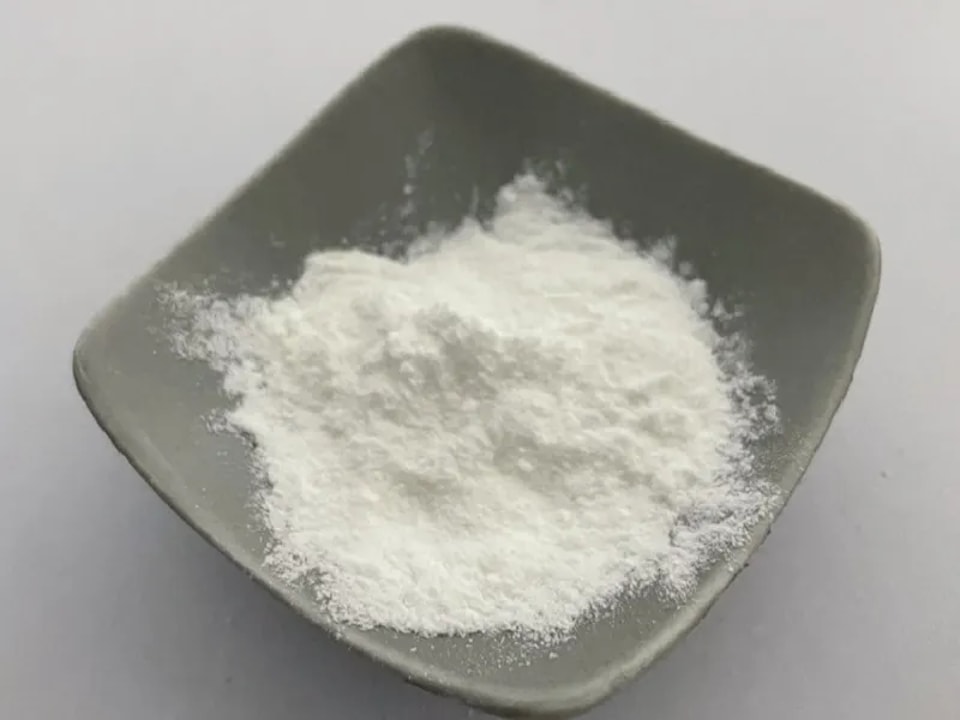 Tap into the Big Health Market: Oligosaccharide Spray Dryers Usher in a New Era of High-Quality Functional SugarsOligosaccharides: The Golden Ingredient for Functional Foods Amid the Big Health Boom
As guardians of intestinal health, functional oligosaccharides keep unlocking massive market potential thanks to their unique physiological functions and application strengths. Among them, Isomaltooligosaccharide (IMO) ranks as the most widely produced and applied functional oligosaccharide, dominating the industry with four core advantages:
Low sweetness with no health burdens to meet wellness demands
It delivers only 30%–50% of sucrose’s sweetness with a mild, non-cloying taste. It can partially replace sucrose in low-sugar and low-calorie foods, eliminating health risks brought by traditional high-sugar diets.
Anti-cavity oral protection suitable for all age groups
It cannot be broken down by oral bacteria to produce acid that erodes tooth enamel. Widely used in children’s snacks and elderly food, it addresses the cavity risks of conventional candies and baked goods.
High tolerance for broad application coverage
Most consumers will not suffer bloating or diarrhea after intake. It avoids sharp blood sugar spikes for diabetics and serves as a dairy substitute for lactose-intolerant people, catering to all age brackets.
Excellent thermal and acid stability to break process limitations
It boasts outstanding resistance to heat and acid. Its molecular structure remains intact during high-temperature baking and acidic beverage production at pH 2–12 without losing functional activity. Compatible with baking, sterilization and long-term storage, it offers food manufacturers greater room for formula innovation.
Surging Market Demand for Functional Oligosaccharides
Market demand for functional oligosaccharides is exploding. Industry statistics show the global market registers an annual growth rate well above average. As the world’s largest producer and consumer, China’s market size exceeded 8 billion RMB in 2024.
Application boundaries have expanded beyond traditional dairy and beverages to infant formula, health supplements and pharmaceutical excipients. For instance, Galactooligosaccharide (GOS) is added to infant milk powder to mimic the prebiotic benefits of breast milk; isomaltooligosaccharide acts as the core raw material for intestinal regulators in health products. Such applications raise stricter standards for oligosaccharide powder: high purity, fine particle size and zero impurities. The technical performance of spray drying equipment directly determines whether manufacturers can seize market opportunities.
Prominent Industry Pain Points: Four Core Challenges of Conventional Oligosaccharide Spray Dryers
Despite bright market prospects, traditional spray drying equipment suffers poor material adaptability, a major bottleneck restricting high-quality industrial development. Given oligosaccharide syrup’s high viscosity and strong hygroscopicity, conventional centrifugal spray dryers face four critical drawbacks:
Severe tower wall buildup leading to heavy material loss and safety hazards
High viscosity and surface tension cause atomized syrup droplets to stick to the tower inner wall, forming agglomerated powder deposits. Long-term high-temperature baking darkens and scorches the deposits. Factories must halt production every shift to clean wall buildup, then re-dissolve, concentrate and re-dry recovered materials. This pushes up labor time and energy consumption. Worse, incomplete cleaning may mix burnt particles into finished powder, forming black specks that compromise purity and food safety.
Inadequate drying leading to excessive moisture content
Conventional drying towers often feature insufficient effective volume or underpowered heating systems, failing to fully dry atomized droplets inside the tower. For example, a centrifugal spray dryer designed to produce powder with 95% dry matter often yields products exceeding moisture standards. Extra post-drying procedures cut production efficiency and risk damaging oligosaccharide functionality via secondary heating.
Flawed structural design exacerbating process defects
Many towers suffer oversized cone angles and poorly configured air outlets. Overly large cones shorten material residence time, preventing full contact with hot airflow; ill-designed outlets create turbulent air and uneven droplet distribution, worsening wall adhesion and incomplete drying.
Poor atomization resulting in inconsistent particle size
Unstable atomization and overlong spray distances of traditional centrifugal atomizers produce droplets with drastically varying diameters (some exceeding 200 μm). Tiny droplets are swept away by hot air as dust loss, while oversized droplets retain excess moisture and form wet powder. The final product features uneven particle size and poor flowability, complicating subsequent packaging and application.
These issues translate into low output, high energy consumption and high reject rates. They also fail downstream clients’ requirements for high-purity, high-activity and stable oligosaccharide powder, becoming a stumbling block for manufacturers competing in the big health market.
Against the backdrop of the in-depth implementation of the Healthy China 2030 Strategy, functional food stands among the fastest-growing segments of the food industry. Consumers’ rising demand for natural, healthy and functional ingredients drives upgrades across the food additive sector. Functional oligosaccharides such as IMO, Fructooligosaccharide (FOS) and Xylooligosaccharide (XOS), with core prebiotic properties, form a vital link connecting food manufacturing and the big health industry.
Spray drying, the core process converting oligosaccharide syrup into high-purity powder, emerges as the decisive factor governing product quality, production efficiency and market competitiveness. With years of R&D expertise in drying equipment, Longxin Drying has launched an innovative pressure spray dryer tailored to the oligosaccharide industry’s pain points. Groundbreaking technology eliminates traditional process bottlenecks and opens a new chapter of premium production for functional sugars, sugar alcohols and food additives.
Innovation Solves Industrial Difficulties: Technical Breakthroughs of Longxin’s New Pressure Spray Dryer
Drawing on decades of drying equipment R&D experience and the physical properties of oligosaccharide syrup, Longxin Drying has developed the all-new YPG Oligosaccharide-Specific Pressure Spray Dryer. Five core technical innovations eliminate inherent flaws of conventional units and deliver efficient, energy-saving, high-quality production:
Precision Atomization System: Accurate particle control to resolve incomplete drying
Customized for high-viscosity oligosaccharide syrup, the multi-channel pressure atomizer comes with interchangeable ceramic or stainless steel inserts (orifice sizes: 0.5–3.0 mm) and precisely adjustable atomization angles for tight control over average droplet size. Unlike centrifugal atomizers plagued by overlong spray distances and uneven particle distribution, this system instantly boosts droplet specific surface area for full contact with hot air and rapid moisture evaporation. It eliminates incomplete drying and excess moisture, stabilizing dry matter content of finished powder above 95% to meet high-purity standards.
Optimized Drying Tower Structure: Anti-stick design to cut material loss
Two structural breakthroughs address tower wall powder buildup:
Optimized cone angle: Set at 45°, much narrower than the 60°+ cones of traditional equipment, it extends material residence time for thorough drying. The tower body adopts mirror-polished 304 stainless steel to reduce adhesion surfaces and minimize wall deposits.
Upgraded hot air distributor: A 3D stereoscopic hot air distributor delivers uniform wind speed with minimal deviation, generating stable spiral hot airflow to avoid local overheating and burnt powder. Droplets disperse evenly without direct impact on tower walls, fundamentally reducing adhesion.
The tower is also equipped with an air-swept anti-stick system and timed air hammers to clear minor deposits in real time, removing the need for frequent production halts and lowering material loss rates.
Two-Stage Powder Recovery System: Efficient capture to boost output and purity
Conventional single-stage bag dust collectors easily suffer blocked filter bags that reduce airflow and limit throughput. Longxin adopts a dual recovery system combining two-stage cyclone separators and pulse back-blow bag dust collectors for superior powder capture efficiency.
Intelligent Temperature & Feeding System: Stable production compatible with complex processes
To preserve oligosaccharide functionality, multi-mode heating (steam, electric, gas optional) is fitted with a Siemens PLC and advanced PID intelligent algorithm for precise, adjustable inlet air temperature control. Accurate temperature regulation prevents local overheating that causes oligosaccharide hydrolysis or denaturation.
The feeding system uses positive displacement diaphragm pumps with adjustable flow rates of 0.5–20 m³/h, integrated with online viscometers and pressure sensors. It monitors feed viscosity and delivery pressure in real time and automatically adjusts feeding speed to maintain consistent atomization, accommodating oligosaccharide syrups of varying concentrations without repeated parameter tuning.
Energy-Saving & Eco-Friendly Design: Cost reduction and sustainable green production
For energy efficiency, waste heat recovery technology recycles residual heat from exhaust gas to preheat incoming fresh air, cutting overall energy consumption by 10–20% versus traditional dryers. For environmental compliance, an exhaust treatment system combining pulse dust removal and activated carbon adsorption delivers low emission concentrations to meet national environmental standards, supporting manufacturers’ green production targets amid tightening environmental regulations.
Empowering Industrial Upgrade: Longxin Technology Helps Manufacturers Capture Big Health Market Opportunities
The new Longxin pressure spray dryer resolves efficiency and quality bottlenecks in oligosaccharide production and creates multi-dimensional value for industry clients:
Premium product quality
Spherical powder with uniform particle size, excellent flowability and instant solubility is directly applicable to high-end segments including infant formula and health supplements, lifting product added value.
Higher production efficiency
Single-unit output surpasses traditional equipment, shortening annual production hours and slashing labor costs.
Expanded application scope
The dryer suits drying of various functional ingredients such as FOS, XOS and sugar alcohols. It supports both hot-air drying and cold-air granulation modes to cover beverage, baking, pharmaceutical and other production lines. One machine fulfills multiple production demands and reduces capital expenditure on separate equipment.
Tap Into the Big Health Market Through Technological Innovation
Amid the booming big health industry, functional oligosaccharides as golden ingredients hold untapped market potential. Spray drying, a core production link, forms a core competitive moat for manufacturers.
Guided by the mission of solving industrial pain points and driving industrial upgrading, Longxin Drying delivers customized, high-performance drying solutions for functional sugar, sugar alcohol and food additive manufacturers through continuous technological innovation. Moving forward, Longxin will deepen research into oligosaccharide processing technology and develop more efficient, energy-saving and intelligent equipment. We support more manufacturers to seize big health market opportunities and jointly write a new chapter of high-quality development for functional sugars.Read More
Tap into the Big Health Market: Oligosaccharide Spray Dryers Usher in a New Era of High-Quality Functional SugarsOligosaccharides: The Golden Ingredient for Functional Foods Amid the Big Health Boom
As guardians of intestinal health, functional oligosaccharides keep unlocking massive market potential thanks to their unique physiological functions and application strengths. Among them, Isomaltooligosaccharide (IMO) ranks as the most widely produced and applied functional oligosaccharide, dominating the industry with four core advantages:
Low sweetness with no health burdens to meet wellness demands
It delivers only 30%–50% of sucrose’s sweetness with a mild, non-cloying taste. It can partially replace sucrose in low-sugar and low-calorie foods, eliminating health risks brought by traditional high-sugar diets.
Anti-cavity oral protection suitable for all age groups
It cannot be broken down by oral bacteria to produce acid that erodes tooth enamel. Widely used in children’s snacks and elderly food, it addresses the cavity risks of conventional candies and baked goods.
High tolerance for broad application coverage
Most consumers will not suffer bloating or diarrhea after intake. It avoids sharp blood sugar spikes for diabetics and serves as a dairy substitute for lactose-intolerant people, catering to all age brackets.
Excellent thermal and acid stability to break process limitations
It boasts outstanding resistance to heat and acid. Its molecular structure remains intact during high-temperature baking and acidic beverage production at pH 2–12 without losing functional activity. Compatible with baking, sterilization and long-term storage, it offers food manufacturers greater room for formula innovation.
Surging Market Demand for Functional Oligosaccharides
Market demand for functional oligosaccharides is exploding. Industry statistics show the global market registers an annual growth rate well above average. As the world’s largest producer and consumer, China’s market size exceeded 8 billion RMB in 2024.
Application boundaries have expanded beyond traditional dairy and beverages to infant formula, health supplements and pharmaceutical excipients. For instance, Galactooligosaccharide (GOS) is added to infant milk powder to mimic the prebiotic benefits of breast milk; isomaltooligosaccharide acts as the core raw material for intestinal regulators in health products. Such applications raise stricter standards for oligosaccharide powder: high purity, fine particle size and zero impurities. The technical performance of spray drying equipment directly determines whether manufacturers can seize market opportunities.
Prominent Industry Pain Points: Four Core Challenges of Conventional Oligosaccharide Spray Dryers
Despite bright market prospects, traditional spray drying equipment suffers poor material adaptability, a major bottleneck restricting high-quality industrial development. Given oligosaccharide syrup’s high viscosity and strong hygroscopicity, conventional centrifugal spray dryers face four critical drawbacks:
Severe tower wall buildup leading to heavy material loss and safety hazards
High viscosity and surface tension cause atomized syrup droplets to stick to the tower inner wall, forming agglomerated powder deposits. Long-term high-temperature baking darkens and scorches the deposits. Factories must halt production every shift to clean wall buildup, then re-dissolve, concentrate and re-dry recovered materials. This pushes up labor time and energy consumption. Worse, incomplete cleaning may mix burnt particles into finished powder, forming black specks that compromise purity and food safety.
Inadequate drying leading to excessive moisture content
Conventional drying towers often feature insufficient effective volume or underpowered heating systems, failing to fully dry atomized droplets inside the tower. For example, a centrifugal spray dryer designed to produce powder with 95% dry matter often yields products exceeding moisture standards. Extra post-drying procedures cut production efficiency and risk damaging oligosaccharide functionality via secondary heating.
Flawed structural design exacerbating process defects
Many towers suffer oversized cone angles and poorly configured air outlets. Overly large cones shorten material residence time, preventing full contact with hot airflow; ill-designed outlets create turbulent air and uneven droplet distribution, worsening wall adhesion and incomplete drying.
Poor atomization resulting in inconsistent particle size
Unstable atomization and overlong spray distances of traditional centrifugal atomizers produce droplets with drastically varying diameters (some exceeding 200 μm). Tiny droplets are swept away by hot air as dust loss, while oversized droplets retain excess moisture and form wet powder. The final product features uneven particle size and poor flowability, complicating subsequent packaging and application.
These issues translate into low output, high energy consumption and high reject rates. They also fail downstream clients’ requirements for high-purity, high-activity and stable oligosaccharide powder, becoming a stumbling block for manufacturers competing in the big health market.
Against the backdrop of the in-depth implementation of the Healthy China 2030 Strategy, functional food stands among the fastest-growing segments of the food industry. Consumers’ rising demand for natural, healthy and functional ingredients drives upgrades across the food additive sector. Functional oligosaccharides such as IMO, Fructooligosaccharide (FOS) and Xylooligosaccharide (XOS), with core prebiotic properties, form a vital link connecting food manufacturing and the big health industry.
Spray drying, the core process converting oligosaccharide syrup into high-purity powder, emerges as the decisive factor governing product quality, production efficiency and market competitiveness. With years of R&D expertise in drying equipment, Longxin Drying has launched an innovative pressure spray dryer tailored to the oligosaccharide industry’s pain points. Groundbreaking technology eliminates traditional process bottlenecks and opens a new chapter of premium production for functional sugars, sugar alcohols and food additives.
Innovation Solves Industrial Difficulties: Technical Breakthroughs of Longxin’s New Pressure Spray Dryer
Drawing on decades of drying equipment R&D experience and the physical properties of oligosaccharide syrup, Longxin Drying has developed the all-new YPG Oligosaccharide-Specific Pressure Spray Dryer. Five core technical innovations eliminate inherent flaws of conventional units and deliver efficient, energy-saving, high-quality production:
Precision Atomization System: Accurate particle control to resolve incomplete drying
Customized for high-viscosity oligosaccharide syrup, the multi-channel pressure atomizer comes with interchangeable ceramic or stainless steel inserts (orifice sizes: 0.5–3.0 mm) and precisely adjustable atomization angles for tight control over average droplet size. Unlike centrifugal atomizers plagued by overlong spray distances and uneven particle distribution, this system instantly boosts droplet specific surface area for full contact with hot air and rapid moisture evaporation. It eliminates incomplete drying and excess moisture, stabilizing dry matter content of finished powder above 95% to meet high-purity standards.
Optimized Drying Tower Structure: Anti-stick design to cut material loss
Two structural breakthroughs address tower wall powder buildup:
Optimized cone angle: Set at 45°, much narrower than the 60°+ cones of traditional equipment, it extends material residence time for thorough drying. The tower body adopts mirror-polished 304 stainless steel to reduce adhesion surfaces and minimize wall deposits.
Upgraded hot air distributor: A 3D stereoscopic hot air distributor delivers uniform wind speed with minimal deviation, generating stable spiral hot airflow to avoid local overheating and burnt powder. Droplets disperse evenly without direct impact on tower walls, fundamentally reducing adhesion.
The tower is also equipped with an air-swept anti-stick system and timed air hammers to clear minor deposits in real time, removing the need for frequent production halts and lowering material loss rates.
Two-Stage Powder Recovery System: Efficient capture to boost output and purity
Conventional single-stage bag dust collectors easily suffer blocked filter bags that reduce airflow and limit throughput. Longxin adopts a dual recovery system combining two-stage cyclone separators and pulse back-blow bag dust collectors for superior powder capture efficiency.
Intelligent Temperature & Feeding System: Stable production compatible with complex processes
To preserve oligosaccharide functionality, multi-mode heating (steam, electric, gas optional) is fitted with a Siemens PLC and advanced PID intelligent algorithm for precise, adjustable inlet air temperature control. Accurate temperature regulation prevents local overheating that causes oligosaccharide hydrolysis or denaturation.
The feeding system uses positive displacement diaphragm pumps with adjustable flow rates of 0.5–20 m³/h, integrated with online viscometers and pressure sensors. It monitors feed viscosity and delivery pressure in real time and automatically adjusts feeding speed to maintain consistent atomization, accommodating oligosaccharide syrups of varying concentrations without repeated parameter tuning.
Energy-Saving & Eco-Friendly Design: Cost reduction and sustainable green production
For energy efficiency, waste heat recovery technology recycles residual heat from exhaust gas to preheat incoming fresh air, cutting overall energy consumption by 10–20% versus traditional dryers. For environmental compliance, an exhaust treatment system combining pulse dust removal and activated carbon adsorption delivers low emission concentrations to meet national environmental standards, supporting manufacturers’ green production targets amid tightening environmental regulations.
Empowering Industrial Upgrade: Longxin Technology Helps Manufacturers Capture Big Health Market Opportunities
The new Longxin pressure spray dryer resolves efficiency and quality bottlenecks in oligosaccharide production and creates multi-dimensional value for industry clients:
Premium product quality
Spherical powder with uniform particle size, excellent flowability and instant solubility is directly applicable to high-end segments including infant formula and health supplements, lifting product added value.
Higher production efficiency
Single-unit output surpasses traditional equipment, shortening annual production hours and slashing labor costs.
Expanded application scope
The dryer suits drying of various functional ingredients such as FOS, XOS and sugar alcohols. It supports both hot-air drying and cold-air granulation modes to cover beverage, baking, pharmaceutical and other production lines. One machine fulfills multiple production demands and reduces capital expenditure on separate equipment.
Tap Into the Big Health Market Through Technological Innovation
Amid the booming big health industry, functional oligosaccharides as golden ingredients hold untapped market potential. Spray drying, a core production link, forms a core competitive moat for manufacturers.
Guided by the mission of solving industrial pain points and driving industrial upgrading, Longxin Drying delivers customized, high-performance drying solutions for functional sugar, sugar alcohol and food additive manufacturers through continuous technological innovation. Moving forward, Longxin will deepen research into oligosaccharide processing technology and develop more efficient, energy-saving and intelligent equipment. We support more manufacturers to seize big health market opportunities and jointly write a new chapter of high-quality development for functional sugars.Read More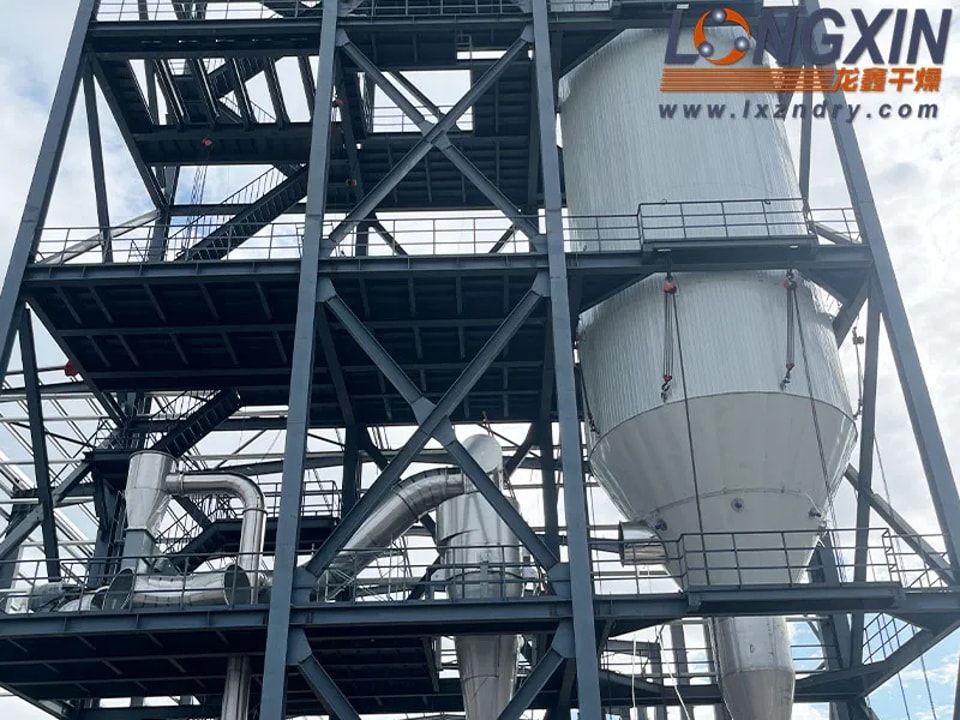 Bid Farewell to Drawbacks of Traditional Water-soluble Fertilizer Granulation & Drying Potassium Humate Spray Drying Tower Ushers in a New Production TrendBrief Analysis on the Feasibility of Superheated Steam Pneumatic Dryer
Most conventional spray granulation dryers for sodium humate adopt air as the drying medium. They suffer from prominent drawbacks including low drying rate and poor thermal efficiency. The sensible heat and latent heat contained in exhaust gas are difficult and costly to recover, involving high technical barriers. For this reason, exhaust gas is directly discharged by most such dryers currently. Industry statistics show that traditional drying processes generally have low thermal efficiency and longer drying cycles, which not only lowers productivity but also causes massive energy waste.
By contrast, the convection dryer using superheated steam as the drying medium can eliminate the above problems. It also features low net energy consumption, high heat and mass transfer efficiency, superior product quality and environmental friendliness. With high specific heat capacity and thermal conductivity, superheated steam delivers a higher heat transfer coefficient than hot air, accelerating the drying process and enabling cyclic heat reuse to improve overall thermal efficiency.
In addition, the steam atmosphere is oxygen-free, which prevents oxidative deterioration of materials. It is particularly applicable to heat-sensitive humic acid substances and keeps the product activity and color stable. The exhaust gas is treated via condensation and recovery, and the recycled water can be reused. The system achieves true zero emission with remarkable environmental benefits.
Quality Upgrade of Potassium Humate Drives Iteration of Drying Technology
(1) With the expanding application of potassium humate in agriculture, pharmaceuticals, environmental protection and other fields, the market has set higher standards for product purity, particle size uniformity and flowability. In agriculture, advanced compound fertilizers and water-soluble fertilizers impose increasingly strict requirements on the sphericity and particle size deviation of potassium humate granules, with higher standards for particle size uniformity and consistent tapped density. In the pharmaceutical sector, the retention rate of active ingredients must be kept stable to prevent performance loss caused by high-temperature oxidation. From an environmental perspective, rising costs for environmental compliance push enterprises to adopt green processes with low emissions and low energy consumption.
(2) Traditional spray dryers are prone to particle agglomeration and uneven particle size distribution, along with high energy consumption and complicated maintenance, which have become technical bottlenecks restricting industrial development. Conventional equipment fails to achieve precise temperature control during production, resulting in severe loss of active ingredients of potassium humate. This not only impairs product quality but also increases production costs. To tackle these challenges, Longxin Dressing has launched a new-generation superheated steam spray granulation and drying system based on market demands and technical expertise. Through process optimization and intelligent control, the system achieves dual improvement in product quality and production efficiency.
Technological Innovations of Longxin Drying: Superheated Steam Spray Granulation & Drying Technology for Potassium Humate
(1) Closed-loop Circulation Thermal Energy Management System for High Efficiency & Energy Saving
Longxin Drying innovatively develops a multi-stage vapor compression heat pump. The secondary steam generated during drying is compressed and reheated for recycling, which improves thermal efficiency. Combined with an intelligent waste heat recovery module, the system automatically adjusts the heat recovery ratio according to actual operating conditions, cutting energy consumption per ton of product compared with traditional processes and reducing annual operating costs substantially.
In addition, the equipment adopts a fully sealed nitrogen/steam circulation system to avoid heat dissipation and prevent external impurities from contaminating materials. This design complies with relevant safety standards and provides solid technical support for low-carbon production.
(2) Dynamic Coupling Temperature Control Technology to Guarantee Product Quality
A four-section temperature gradient control strategy is applied. By real-time adjustment of steam flow and atomization pressure, materials undergo precise treatment in three phases inside the drying tower: rapid dehydration, gradient solidification and surface activation.
In the pre-drying section, proper temperature and humidity are set for preliminary dehydration to lay a foundation for subsequent processes.
In the constant-rate drying section, temperature and airflow velocity are precisely regulated to achieve uniform drying.
In the falling-rate drying section, temperature is gradually lowered to avoid oxidative deterioration caused by overheating.
In the cooling and solidification section, dried granules are rapidly cooled to maintain stable properties.
Actual tests prove that this technology delivers stable and lower product moisture content, concentrated particle size distribution, higher sphericity and smaller particle size deviation, as well as improved flowability. It fully meets the stringent requirements of high-quality compound fertilizers and water-soluble fertilizers.
(3) Enhanced Granulation with Built-in Fluidized Bed to Solve Industrial Pain Points
Longxin Drying creatively integrates spray drying and fluidized bed technologies, with a dynamic fluidized bed installed at the bottom of the drying tower. Atomized wet materials directly enter the fluidization zone, where gas-solid two-phase turbulence realizes surface coating and densification of particles. This innovative design increases product bulk density and flowability index, and effectively solves the problem of moisture absorption and caking of potassium humate.
Before adopting our equipment, severe moisture absorption and caking troubled products, adversely affecting storage and transportation and leading to a high complaint rate. After application, the moisture absorption rate is reduced and caking is basically eliminated, greatly improving customer satisfaction.
(4) Full-process Intelligent Monitoring System for Higher Production Stability
Equipped with an Industrial Internet of Things (IIoT) platform, the system integrates multiple sensors to collect key parameters such as temperature, pressure and flow rate in real time. Digital twin models predict process deviations and perform automatic correction. Multiple safety interlock devices are configured to respond quickly to abnormal operating conditions, ensuring continuous production and personnel safety.
The Intelligent Cloud Control System builds digital twin models for the drying process to dynamically optimize spray pressure, hot air temperature and feed rate, and improve batch-to-batch consistency of finished products. Operators can monitor equipment status and remotely adjust process parameters via an intuitive interface, which greatly reduces labor costs and boosts productivity.
(5) Upgraded Safety Protection System to Ensure Operational Safety
Targeting the production characteristics of highly active substances like potassium humate, the equipment is fitted with multi-stage explosion-proof devices and an inert gas protection system. Dynamic oxygen concentration monitoring and automatic inerting technology are adopted to control the oxygen content inside the system and satisfy safety production regulations.
This solution has been successfully applied at a major domestic humic acid manufacturer, enabling long-term continuous operation with zero safety incidents and delivering reliable safeguards for safe production.
Application Cases and Industrial Value of Longxin Drying Technology
(1) After adopting Longxin drying equipment, enterprises have achieved simultaneous improvement in production efficiency and product quality. The capacity of a single unit is greatly increased compared with the original equipment, and the rate of high-grade products is elevated. The annual consumption of standard coal and carbon dioxide emissions are reduced significantly. The dust concentration in the production environment stays at a low level, fully complying with safety standards.
(2) At present, Longxin's superheated steam spray granulation equipment has been widely applied in major humic acid producing areas including Xinjiang and Inner Mongolia, serving numerous manufacturers and generating remarkable cumulative economic benefits.
(3) Driven by annual market growth, the demand for high-quality potassium humate products remains robust. Leveraging its first-mover advantages in superheated steam technology, Longxin Drying has entered strategic cooperation with multiple multinational enterprises, helping China's drying equipment technology expand into the global market.
Longxin Drying: Leading the Industry's Green Development via Technological Innovation
As a Specialized, Refined, Differential and Innovative (SRDI) "Little Giant" Enterprise, Longxin Drying owns a modern manufacturing base and a full range of precision processing equipment, and has obtained certifications for multiple management systems. Our R&D team invests a portion of annual revenue in technological innovation each year. The company has been granted numerous patents and participated in formulating a number of industrial standards.
Looking ahead, we will further promote the application of superheated steam technology in the humic acid industry. Focusing on intelligence, low carbon and customization, we deliver full life-cycle solutions covering process design, equipment manufacturing as well as operation and maintenance services, helping customers achieve the dual goals of cost reduction, efficiency improvement and green transformation.
At this critical stage when the humic acid industry is transforming toward refinement and advanced development, Longxin Drying takes superheated steam technology as a breakthrough to reshape the technical standards for potassium humate drying, and provides integrated solutions featuring high efficiency, energy conservation and environmental protection for the whole industry. Choosing Longxin Drying means choosing leading technology and reliable quality. We sincerely look forward to cooperating with more industry partners to create a promising future for the humic acid sector.Read More
Bid Farewell to Drawbacks of Traditional Water-soluble Fertilizer Granulation & Drying Potassium Humate Spray Drying Tower Ushers in a New Production TrendBrief Analysis on the Feasibility of Superheated Steam Pneumatic Dryer
Most conventional spray granulation dryers for sodium humate adopt air as the drying medium. They suffer from prominent drawbacks including low drying rate and poor thermal efficiency. The sensible heat and latent heat contained in exhaust gas are difficult and costly to recover, involving high technical barriers. For this reason, exhaust gas is directly discharged by most such dryers currently. Industry statistics show that traditional drying processes generally have low thermal efficiency and longer drying cycles, which not only lowers productivity but also causes massive energy waste.
By contrast, the convection dryer using superheated steam as the drying medium can eliminate the above problems. It also features low net energy consumption, high heat and mass transfer efficiency, superior product quality and environmental friendliness. With high specific heat capacity and thermal conductivity, superheated steam delivers a higher heat transfer coefficient than hot air, accelerating the drying process and enabling cyclic heat reuse to improve overall thermal efficiency.
In addition, the steam atmosphere is oxygen-free, which prevents oxidative deterioration of materials. It is particularly applicable to heat-sensitive humic acid substances and keeps the product activity and color stable. The exhaust gas is treated via condensation and recovery, and the recycled water can be reused. The system achieves true zero emission with remarkable environmental benefits.
Quality Upgrade of Potassium Humate Drives Iteration of Drying Technology
(1) With the expanding application of potassium humate in agriculture, pharmaceuticals, environmental protection and other fields, the market has set higher standards for product purity, particle size uniformity and flowability. In agriculture, advanced compound fertilizers and water-soluble fertilizers impose increasingly strict requirements on the sphericity and particle size deviation of potassium humate granules, with higher standards for particle size uniformity and consistent tapped density. In the pharmaceutical sector, the retention rate of active ingredients must be kept stable to prevent performance loss caused by high-temperature oxidation. From an environmental perspective, rising costs for environmental compliance push enterprises to adopt green processes with low emissions and low energy consumption.
(2) Traditional spray dryers are prone to particle agglomeration and uneven particle size distribution, along with high energy consumption and complicated maintenance, which have become technical bottlenecks restricting industrial development. Conventional equipment fails to achieve precise temperature control during production, resulting in severe loss of active ingredients of potassium humate. This not only impairs product quality but also increases production costs. To tackle these challenges, Longxin Dressing has launched a new-generation superheated steam spray granulation and drying system based on market demands and technical expertise. Through process optimization and intelligent control, the system achieves dual improvement in product quality and production efficiency.
Technological Innovations of Longxin Drying: Superheated Steam Spray Granulation & Drying Technology for Potassium Humate
(1) Closed-loop Circulation Thermal Energy Management System for High Efficiency & Energy Saving
Longxin Drying innovatively develops a multi-stage vapor compression heat pump. The secondary steam generated during drying is compressed and reheated for recycling, which improves thermal efficiency. Combined with an intelligent waste heat recovery module, the system automatically adjusts the heat recovery ratio according to actual operating conditions, cutting energy consumption per ton of product compared with traditional processes and reducing annual operating costs substantially.
In addition, the equipment adopts a fully sealed nitrogen/steam circulation system to avoid heat dissipation and prevent external impurities from contaminating materials. This design complies with relevant safety standards and provides solid technical support for low-carbon production.
(2) Dynamic Coupling Temperature Control Technology to Guarantee Product Quality
A four-section temperature gradient control strategy is applied. By real-time adjustment of steam flow and atomization pressure, materials undergo precise treatment in three phases inside the drying tower: rapid dehydration, gradient solidification and surface activation.
In the pre-drying section, proper temperature and humidity are set for preliminary dehydration to lay a foundation for subsequent processes.
In the constant-rate drying section, temperature and airflow velocity are precisely regulated to achieve uniform drying.
In the falling-rate drying section, temperature is gradually lowered to avoid oxidative deterioration caused by overheating.
In the cooling and solidification section, dried granules are rapidly cooled to maintain stable properties.
Actual tests prove that this technology delivers stable and lower product moisture content, concentrated particle size distribution, higher sphericity and smaller particle size deviation, as well as improved flowability. It fully meets the stringent requirements of high-quality compound fertilizers and water-soluble fertilizers.
(3) Enhanced Granulation with Built-in Fluidized Bed to Solve Industrial Pain Points
Longxin Drying creatively integrates spray drying and fluidized bed technologies, with a dynamic fluidized bed installed at the bottom of the drying tower. Atomized wet materials directly enter the fluidization zone, where gas-solid two-phase turbulence realizes surface coating and densification of particles. This innovative design increases product bulk density and flowability index, and effectively solves the problem of moisture absorption and caking of potassium humate.
Before adopting our equipment, severe moisture absorption and caking troubled products, adversely affecting storage and transportation and leading to a high complaint rate. After application, the moisture absorption rate is reduced and caking is basically eliminated, greatly improving customer satisfaction.
(4) Full-process Intelligent Monitoring System for Higher Production Stability
Equipped with an Industrial Internet of Things (IIoT) platform, the system integrates multiple sensors to collect key parameters such as temperature, pressure and flow rate in real time. Digital twin models predict process deviations and perform automatic correction. Multiple safety interlock devices are configured to respond quickly to abnormal operating conditions, ensuring continuous production and personnel safety.
The Intelligent Cloud Control System builds digital twin models for the drying process to dynamically optimize spray pressure, hot air temperature and feed rate, and improve batch-to-batch consistency of finished products. Operators can monitor equipment status and remotely adjust process parameters via an intuitive interface, which greatly reduces labor costs and boosts productivity.
(5) Upgraded Safety Protection System to Ensure Operational Safety
Targeting the production characteristics of highly active substances like potassium humate, the equipment is fitted with multi-stage explosion-proof devices and an inert gas protection system. Dynamic oxygen concentration monitoring and automatic inerting technology are adopted to control the oxygen content inside the system and satisfy safety production regulations.
This solution has been successfully applied at a major domestic humic acid manufacturer, enabling long-term continuous operation with zero safety incidents and delivering reliable safeguards for safe production.
Application Cases and Industrial Value of Longxin Drying Technology
(1) After adopting Longxin drying equipment, enterprises have achieved simultaneous improvement in production efficiency and product quality. The capacity of a single unit is greatly increased compared with the original equipment, and the rate of high-grade products is elevated. The annual consumption of standard coal and carbon dioxide emissions are reduced significantly. The dust concentration in the production environment stays at a low level, fully complying with safety standards.
(2) At present, Longxin's superheated steam spray granulation equipment has been widely applied in major humic acid producing areas including Xinjiang and Inner Mongolia, serving numerous manufacturers and generating remarkable cumulative economic benefits.
(3) Driven by annual market growth, the demand for high-quality potassium humate products remains robust. Leveraging its first-mover advantages in superheated steam technology, Longxin Drying has entered strategic cooperation with multiple multinational enterprises, helping China's drying equipment technology expand into the global market.
Longxin Drying: Leading the Industry's Green Development via Technological Innovation
As a Specialized, Refined, Differential and Innovative (SRDI) "Little Giant" Enterprise, Longxin Drying owns a modern manufacturing base and a full range of precision processing equipment, and has obtained certifications for multiple management systems. Our R&D team invests a portion of annual revenue in technological innovation each year. The company has been granted numerous patents and participated in formulating a number of industrial standards.
Looking ahead, we will further promote the application of superheated steam technology in the humic acid industry. Focusing on intelligence, low carbon and customization, we deliver full life-cycle solutions covering process design, equipment manufacturing as well as operation and maintenance services, helping customers achieve the dual goals of cost reduction, efficiency improvement and green transformation.
At this critical stage when the humic acid industry is transforming toward refinement and advanced development, Longxin Drying takes superheated steam technology as a breakthrough to reshape the technical standards for potassium humate drying, and provides integrated solutions featuring high efficiency, energy conservation and environmental protection for the whole industry. Choosing Longxin Drying means choosing leading technology and reliable quality. We sincerely look forward to cooperating with more industry partners to create a promising future for the humic acid sector.Read More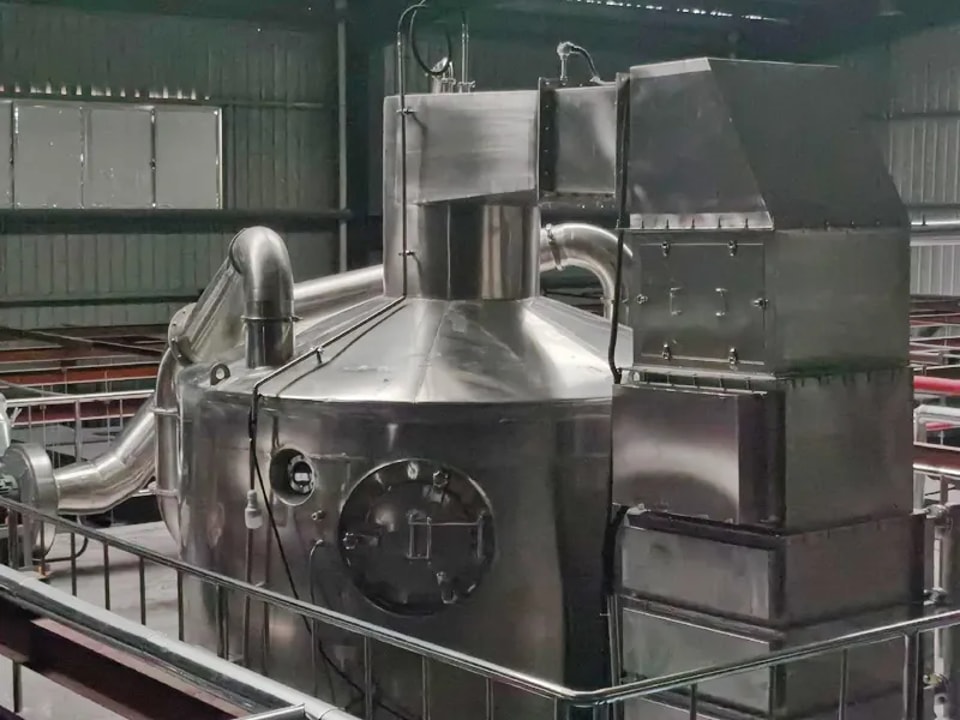 Multi-stage Fluidized Granulation Spray Dryer: Unlock the Secrets to Efficient Production of Instant Granules of Enzymatically Hydrolyzed Protein PeptidesInstant Granules of Enzymatically Hydrolyzed Protein Peptides adopt advanced enzymatic hydrolysis technology to efficiently break down proteins into small molecular peptides and amino acids, which are further processed into granular products.
Compared with intact proteins, these small molecular peptides and amino acids feature high bioavailability. They can quickly enter the blood circulation and deliver nutritional effects in a short period. Rich in essential amino acids — the building blocks of human proteins — the product actively participates in key physiological processes including metabolism, immune regulation and muscle repair. It also contains biologically active peptide fragments with antioxidant, anti-fatigue and hypotensive properties, which exert targeted physiological regulatory effects in the human body.
In the health product sector, the granules containing specific peptide fragments help middle-aged and elderly people regulate blood pressure and blood lipids, and assist in the prevention of cardiovascular diseases. For people with low immunity, they can remarkably boost immune function and the body's disease resistance.
In the pharmaceutical industry, thanks to its excellent solubility and biocompatibility, the product serves as a drug carrier to encapsulate drug molecules, greatly enhancing drug stability and bioavailability.
As public health awareness continues to rise, the demand for nutritional supplements and health foods keeps growing. As an easily absorbable protein source, instant granules of enzymatically hydrolyzed protein peptides fully meet the demands of sports nutrition, daily health care and other diverse fields, showing a strong upward market trend in food, beverage and health product industries. Its promising market prospects have attracted extensive attention from numerous enterprises. Traditional food and health product manufacturers as well as emerging biotechnology companies have increased investment in R&D, production and marketing in this sector, leading to increasingly fierce market competition. Against this backdrop, improving product quality has become the core factor for enterprises to stand out from the competition.
Process Flow of Multi-stage Fluidized Granulation Spray Dryer
(1) Raw Material Pretreatment
The enzymatically hydrolyzed protein peptide solution undergoes precision filtration, high-efficiency concentration and other pretreatment processes to adjust its concentration, viscosity and other parameters to the optimal standards for spray drying. The treated material is then accurately delivered to the feeding system of the dryer via pipelines.
(2) Hot Air Generation
Ambient air is heated by high-efficiency heaters to form hot air at a specified temperature. The hot air is delivered to the top of the drying tower and the bottom of the fluidized bed respectively, passing through distribution plates to make full contact with materials and fluidize them. It creates the required thermal and airflow conditions for subsequent drying and granulation.
(3) Slurry Atomization
The liquid material in the feeding system is pumped into the drying tower at a precisely controlled pressure by diaphragm pumps and other equipment. Pressure energy is efficiently converted into kinetic energy. The slurry is ejected upward at high speed from the nozzles to form a high-velocity liquid film, which quickly breaks into fine droplets. The droplet size is inversely proportional to the operating pressure, while the production capacity of the nozzle is proportional to the square of the pressure.
(4) Drying and Spheroidization of Droplets
Atomized droplets and hot air work in an optimized mixed flow inside the drying tower. Hot air evenly enters the tower through the top air distributor and forms a stable downward laminar airflow, while droplets are sprayed upward against the hot air stream. Thanks to the large specific surface area of droplets, internal moisture evaporates rapidly under the action of hot air. Driven by surface tension, droplets shrink into spherical shapes and finally solidify into dry spherical particles. The particles gradually settle in the tower and separate efficiently from hot air.
(5) Fluidized Granulation
Fine powder lifted upward by hot airflow inside the fluidized bed collides with falling wet fine particles in the specially designed atomization and granulation zone. Particles grow gradually through physical effects such as coating and adhesion. Mother liquor or binder is accurately conveyed to atomizing nozzles by pressure pumps. After atomization, it evenly coats the surface of fluidized particles or bonds particles together. Through continuous fluidization, coating and drying, particles keep growing until reaching the target particle size.
(6) Discharge and Collection of Particles
Particles reaching the preset particle size are smoothly discharged from the fluidized bed outlet and sent to high-precision finished product collection devices. Fine particles, together with drying air, are extracted by exhaust fans connected to the funnel-shaped upper section and delivered to the professional dust removal system.
(7) Dust Removal and Exhaust Gas Treatment
The dust removal system consists of core equipment including high-efficiency cyclone separators and centrifugal fans. The exhaust fan delivers air containing fine particles into the cyclone separator for efficient separation. Collected fine particles fall to the bottom of the separator and are accurately returned to the atomization zone of the tower via rotary valves for recycling as seed crystals. The remaining waste gas containing trace ultrafine particles is further purified by water film dust collectors to achieve harmless treatment. The treated gas that meets emission standards is finally discharged through the chimney in compliance with regulations.
(8) System Monitoring and Control
The advanced electrical system is composed of an electric control cabinet and high-precision on-site temperature sensors installed at air inlets and material outlets. It conducts real-time monitoring and precise control over key links and core parameters of the entire dryer, including temperature, pressure, air velocity and material flow rate, so as to ensure stable equipment operation and consistent product quality.
Performance Advantages of Multi-stage Fluidized Granulation Spray Dryer for Instant Granules of Enzymatically Hydrolyzed Protein Peptides
(1) Excellent Product Quality
Superior particle performance
The equipment produces granules with highly uniform particle size. The finished products feature outstanding flowability, solubility and dispersibility. During processing and application of enzymatically hydrolyzed protein peptides, the granules can mix efficiently, dissolve rapidly and exert full efficacy, greatly improving user experience.
High product purity
Drying is completed instantly with rapid moisture evaporation throughout the low-temperature process, which effectively prevents thermal deterioration of materials. The final products boast remarkably high purity and stable quality, fully complying with the stringent quality requirements for enzymatically hydrolyzed protein peptides.
Complete retention of active ingredients
The ultra-fast drying process greatly shortens the exposure time of heat-sensitive substances such as enzymatically hydrolyzed protein peptides to high temperature. It minimizes material deterioration and decomposition, and fully retains active components and nutrients, which is essential for maintaining the product’s functional and nutritional values.
(2) High Production Efficiency
Fast drying speed
The feed liquid is atomized into a large number of fine droplets with a sharply increased specific surface area. Moisture evaporates in an extremely short time upon contact with hot air, and drying is finished within ten to dozens of seconds. It greatly improves production efficiency and perfectly adapts to large-scale industrial production.
Continuous production
The equipment operates stably and reliably and supports automated continuous mass production. Precise adjustment of relevant parameters enables accurate control over production procedures and product quality to guarantee consistency. It effectively cuts labor costs and workload, and significantly boosts production efficiency and economic benefits.
(3) Streamlined Production Process
One-step granulation
It innovatively integrates drying and granulation into one single process, directly converting liquid materials into granular products. Complicated follow-up procedures such as crushing and sieving are eliminated, which simplifies the workflow and reduces floor space and equipment investment. Meanwhile, it avoids dust pollution and material loss caused by crushing and screening, and improves production safety and environmental performance.
(4) High Energy Efficiency & Environmental Protection
High energy utilization rate
The drying process runs at a low exhaust air temperature. Compared with other drying technologies, it reduces heat loss effectively, raises energy utilization efficiency and lowers energy consumption and production costs.
Low dust content in exhaust gas
Equipped with high-efficiency dust removal systems including cyclone separators and bag filters, the equipment efficiently separates and collects dust in exhaust gas. The exhaust gas has extremely low dust content and meets strict emission standards, reducing environmental pollution and realizing clean production.
(5) Easy Operation & Maintenance
Simple operation
The equipment is easy to operate and learn. Supported by advanced interfaces such as large color LCD touch screens, it flexibly combines automatic and manual control for personalized adjustment according to production demands. The operating status can be monitored and adjusted in real time via professional instruments to ensure stable production.
Convenient maintenance
The equipment adopts a scientific and rational structural design. Major components are easy to disassemble and clean for routine maintenance. It effectively reduces maintenance costs and downtime, and extends the service life of the equipment.
Technical Upgrades of Multi-stage Fluidized Granulation Spray Dryer for Instant Granules of Enzymatically Hydrolyzed Protein Peptides
(1) Upgrades to Atomization System
Optimized nozzle design
Adopting new-type atomizing nozzles such as two-fluid atomizing nozzles and pressure atomizing nozzles, the equipment atomizes feed liquid into fine droplets more evenly, greatly enlarging the contact area with hot air and improving drying efficiency. Precise adjustment of nozzle angle, aperture, shape and other key parameters further optimizes atomization effect and reduces wall sticking. The upgraded nozzle structure for centrifugal spray dryers almost completely eliminates wall sticking.
Precise feed rate control
High-precision metering pumps and flow control systems are installed to accurately regulate the feeding speed and flow rate of feed liquid in accordance with technical requirements. It ensures stable atomization and avoids uneven drying and unstable product quality caused by abnormal feed volume.
(2) Upgrades to Drying System
Improved hot air distribution uniformity
Optimizing the structure and design of hot air distributors enables more even distribution of hot air inside the drying chamber. Every droplet can be fully exposed to hot air to enhance drying uniformity and efficiency, and prevent quality defects such as irregular particle shape and uneven moisture content caused by local overheating or underheating.
Application of multi-stage drying technology
Additional multi-stage drying processes are added to the original workflow. An integrated fluidized bed at the tower bottom is used for secondary low-temperature fluidized drying and cooling. This further reduces residual moisture, improves product stability and solubility, and achieves precise control over particle size distribution and morphology to produce more uniform and regular granules.
(3) Upgrades to Granulation System
Enhanced agglomeration granulation performance
Optimized airflow and temperature fields inside the drying chamber promote agglomeration and fusion of droplets to form larger and more uniform particles. In addition, fine powder collected by cyclone separators is conveyed back by air for re-agglomeration with droplets, which increases particle size and strength, reduces fine powder generation and raises product yield.
Controlled particle size distribution
Advanced particle size analyzers and control systems are introduced to monitor and feed back particle size distribution in real time. The system automatically adjusts operating parameters including feed rate, atomization pressure and hot air temperature according to the preset target particle size range. It realizes precise control over particle size distribution and produces instant granules of enzymatically hydrolyzed protein peptides for diverse application requirements.
(4) Upgrades to Control System
Intelligent control
Advanced automatic control systems such as PLC and touch screen interfaces are adopted to realize precise control and real-time monitoring of all operating sections of the dryer. Based on preset process parameters and control programs, the equipment automatically adjusts feed rate, atomizer speed, hot air temperature, air volume and other parameters to ensure stable drying processes and consistent product quality.
Remote monitoring and diagnosis
Connected with a remote monitoring center via Internet of Things (IoT) technology, the dryer allows operators to remotely check equipment operating status anytime and anywhere through mobile phones, computers and other terminals, including real-time data of temperature, pressure, flow rate, rotational speed and equipment fault alarms. Remote fault diagnosis and maintenance guidance are also available. Technical personnel can quickly and accurately identify fault causes based on remotely acquired data and provide effective solutions for on-site maintenance, improving maintenance efficiency and equipment operational reliability.
(5) Energy-saving & Environmental Protection Upgrades
High-efficiency heat recovery system
Heat recovery units are added to recycle waste heat from exhaust gas. The recovered heat is used to preheat incoming cold air or feed liquid, which improves energy utilization efficiency, cuts energy consumption and production costs, and reduces environmental thermal pollution.
Optimized exhaust gas treatment
The exhaust gas treatment system is further upgraded with high-efficiency cyclone separators, bag filters and other new dust removal equipment to improve dust collection efficiency. The dust content of exhaust gas is further reduced to meet stricter environmental emission standards. Harmful gases in exhaust are also treated to mitigate air pollution.
Read More
Multi-stage Fluidized Granulation Spray Dryer: Unlock the Secrets to Efficient Production of Instant Granules of Enzymatically Hydrolyzed Protein PeptidesInstant Granules of Enzymatically Hydrolyzed Protein Peptides adopt advanced enzymatic hydrolysis technology to efficiently break down proteins into small molecular peptides and amino acids, which are further processed into granular products.
Compared with intact proteins, these small molecular peptides and amino acids feature high bioavailability. They can quickly enter the blood circulation and deliver nutritional effects in a short period. Rich in essential amino acids — the building blocks of human proteins — the product actively participates in key physiological processes including metabolism, immune regulation and muscle repair. It also contains biologically active peptide fragments with antioxidant, anti-fatigue and hypotensive properties, which exert targeted physiological regulatory effects in the human body.
In the health product sector, the granules containing specific peptide fragments help middle-aged and elderly people regulate blood pressure and blood lipids, and assist in the prevention of cardiovascular diseases. For people with low immunity, they can remarkably boost immune function and the body's disease resistance.
In the pharmaceutical industry, thanks to its excellent solubility and biocompatibility, the product serves as a drug carrier to encapsulate drug molecules, greatly enhancing drug stability and bioavailability.
As public health awareness continues to rise, the demand for nutritional supplements and health foods keeps growing. As an easily absorbable protein source, instant granules of enzymatically hydrolyzed protein peptides fully meet the demands of sports nutrition, daily health care and other diverse fields, showing a strong upward market trend in food, beverage and health product industries. Its promising market prospects have attracted extensive attention from numerous enterprises. Traditional food and health product manufacturers as well as emerging biotechnology companies have increased investment in R&D, production and marketing in this sector, leading to increasingly fierce market competition. Against this backdrop, improving product quality has become the core factor for enterprises to stand out from the competition.
Process Flow of Multi-stage Fluidized Granulation Spray Dryer
(1) Raw Material Pretreatment
The enzymatically hydrolyzed protein peptide solution undergoes precision filtration, high-efficiency concentration and other pretreatment processes to adjust its concentration, viscosity and other parameters to the optimal standards for spray drying. The treated material is then accurately delivered to the feeding system of the dryer via pipelines.
(2) Hot Air Generation
Ambient air is heated by high-efficiency heaters to form hot air at a specified temperature. The hot air is delivered to the top of the drying tower and the bottom of the fluidized bed respectively, passing through distribution plates to make full contact with materials and fluidize them. It creates the required thermal and airflow conditions for subsequent drying and granulation.
(3) Slurry Atomization
The liquid material in the feeding system is pumped into the drying tower at a precisely controlled pressure by diaphragm pumps and other equipment. Pressure energy is efficiently converted into kinetic energy. The slurry is ejected upward at high speed from the nozzles to form a high-velocity liquid film, which quickly breaks into fine droplets. The droplet size is inversely proportional to the operating pressure, while the production capacity of the nozzle is proportional to the square of the pressure.
(4) Drying and Spheroidization of Droplets
Atomized droplets and hot air work in an optimized mixed flow inside the drying tower. Hot air evenly enters the tower through the top air distributor and forms a stable downward laminar airflow, while droplets are sprayed upward against the hot air stream. Thanks to the large specific surface area of droplets, internal moisture evaporates rapidly under the action of hot air. Driven by surface tension, droplets shrink into spherical shapes and finally solidify into dry spherical particles. The particles gradually settle in the tower and separate efficiently from hot air.
(5) Fluidized Granulation
Fine powder lifted upward by hot airflow inside the fluidized bed collides with falling wet fine particles in the specially designed atomization and granulation zone. Particles grow gradually through physical effects such as coating and adhesion. Mother liquor or binder is accurately conveyed to atomizing nozzles by pressure pumps. After atomization, it evenly coats the surface of fluidized particles or bonds particles together. Through continuous fluidization, coating and drying, particles keep growing until reaching the target particle size.
(6) Discharge and Collection of Particles
Particles reaching the preset particle size are smoothly discharged from the fluidized bed outlet and sent to high-precision finished product collection devices. Fine particles, together with drying air, are extracted by exhaust fans connected to the funnel-shaped upper section and delivered to the professional dust removal system.
(7) Dust Removal and Exhaust Gas Treatment
The dust removal system consists of core equipment including high-efficiency cyclone separators and centrifugal fans. The exhaust fan delivers air containing fine particles into the cyclone separator for efficient separation. Collected fine particles fall to the bottom of the separator and are accurately returned to the atomization zone of the tower via rotary valves for recycling as seed crystals. The remaining waste gas containing trace ultrafine particles is further purified by water film dust collectors to achieve harmless treatment. The treated gas that meets emission standards is finally discharged through the chimney in compliance with regulations.
(8) System Monitoring and Control
The advanced electrical system is composed of an electric control cabinet and high-precision on-site temperature sensors installed at air inlets and material outlets. It conducts real-time monitoring and precise control over key links and core parameters of the entire dryer, including temperature, pressure, air velocity and material flow rate, so as to ensure stable equipment operation and consistent product quality.
Performance Advantages of Multi-stage Fluidized Granulation Spray Dryer for Instant Granules of Enzymatically Hydrolyzed Protein Peptides
(1) Excellent Product Quality
Superior particle performance
The equipment produces granules with highly uniform particle size. The finished products feature outstanding flowability, solubility and dispersibility. During processing and application of enzymatically hydrolyzed protein peptides, the granules can mix efficiently, dissolve rapidly and exert full efficacy, greatly improving user experience.
High product purity
Drying is completed instantly with rapid moisture evaporation throughout the low-temperature process, which effectively prevents thermal deterioration of materials. The final products boast remarkably high purity and stable quality, fully complying with the stringent quality requirements for enzymatically hydrolyzed protein peptides.
Complete retention of active ingredients
The ultra-fast drying process greatly shortens the exposure time of heat-sensitive substances such as enzymatically hydrolyzed protein peptides to high temperature. It minimizes material deterioration and decomposition, and fully retains active components and nutrients, which is essential for maintaining the product’s functional and nutritional values.
(2) High Production Efficiency
Fast drying speed
The feed liquid is atomized into a large number of fine droplets with a sharply increased specific surface area. Moisture evaporates in an extremely short time upon contact with hot air, and drying is finished within ten to dozens of seconds. It greatly improves production efficiency and perfectly adapts to large-scale industrial production.
Continuous production
The equipment operates stably and reliably and supports automated continuous mass production. Precise adjustment of relevant parameters enables accurate control over production procedures and product quality to guarantee consistency. It effectively cuts labor costs and workload, and significantly boosts production efficiency and economic benefits.
(3) Streamlined Production Process
One-step granulation
It innovatively integrates drying and granulation into one single process, directly converting liquid materials into granular products. Complicated follow-up procedures such as crushing and sieving are eliminated, which simplifies the workflow and reduces floor space and equipment investment. Meanwhile, it avoids dust pollution and material loss caused by crushing and screening, and improves production safety and environmental performance.
(4) High Energy Efficiency & Environmental Protection
High energy utilization rate
The drying process runs at a low exhaust air temperature. Compared with other drying technologies, it reduces heat loss effectively, raises energy utilization efficiency and lowers energy consumption and production costs.
Low dust content in exhaust gas
Equipped with high-efficiency dust removal systems including cyclone separators and bag filters, the equipment efficiently separates and collects dust in exhaust gas. The exhaust gas has extremely low dust content and meets strict emission standards, reducing environmental pollution and realizing clean production.
(5) Easy Operation & Maintenance
Simple operation
The equipment is easy to operate and learn. Supported by advanced interfaces such as large color LCD touch screens, it flexibly combines automatic and manual control for personalized adjustment according to production demands. The operating status can be monitored and adjusted in real time via professional instruments to ensure stable production.
Convenient maintenance
The equipment adopts a scientific and rational structural design. Major components are easy to disassemble and clean for routine maintenance. It effectively reduces maintenance costs and downtime, and extends the service life of the equipment.
Technical Upgrades of Multi-stage Fluidized Granulation Spray Dryer for Instant Granules of Enzymatically Hydrolyzed Protein Peptides
(1) Upgrades to Atomization System
Optimized nozzle design
Adopting new-type atomizing nozzles such as two-fluid atomizing nozzles and pressure atomizing nozzles, the equipment atomizes feed liquid into fine droplets more evenly, greatly enlarging the contact area with hot air and improving drying efficiency. Precise adjustment of nozzle angle, aperture, shape and other key parameters further optimizes atomization effect and reduces wall sticking. The upgraded nozzle structure for centrifugal spray dryers almost completely eliminates wall sticking.
Precise feed rate control
High-precision metering pumps and flow control systems are installed to accurately regulate the feeding speed and flow rate of feed liquid in accordance with technical requirements. It ensures stable atomization and avoids uneven drying and unstable product quality caused by abnormal feed volume.
(2) Upgrades to Drying System
Improved hot air distribution uniformity
Optimizing the structure and design of hot air distributors enables more even distribution of hot air inside the drying chamber. Every droplet can be fully exposed to hot air to enhance drying uniformity and efficiency, and prevent quality defects such as irregular particle shape and uneven moisture content caused by local overheating or underheating.
Application of multi-stage drying technology
Additional multi-stage drying processes are added to the original workflow. An integrated fluidized bed at the tower bottom is used for secondary low-temperature fluidized drying and cooling. This further reduces residual moisture, improves product stability and solubility, and achieves precise control over particle size distribution and morphology to produce more uniform and regular granules.
(3) Upgrades to Granulation System
Enhanced agglomeration granulation performance
Optimized airflow and temperature fields inside the drying chamber promote agglomeration and fusion of droplets to form larger and more uniform particles. In addition, fine powder collected by cyclone separators is conveyed back by air for re-agglomeration with droplets, which increases particle size and strength, reduces fine powder generation and raises product yield.
Controlled particle size distribution
Advanced particle size analyzers and control systems are introduced to monitor and feed back particle size distribution in real time. The system automatically adjusts operating parameters including feed rate, atomization pressure and hot air temperature according to the preset target particle size range. It realizes precise control over particle size distribution and produces instant granules of enzymatically hydrolyzed protein peptides for diverse application requirements.
(4) Upgrades to Control System
Intelligent control
Advanced automatic control systems such as PLC and touch screen interfaces are adopted to realize precise control and real-time monitoring of all operating sections of the dryer. Based on preset process parameters and control programs, the equipment automatically adjusts feed rate, atomizer speed, hot air temperature, air volume and other parameters to ensure stable drying processes and consistent product quality.
Remote monitoring and diagnosis
Connected with a remote monitoring center via Internet of Things (IoT) technology, the dryer allows operators to remotely check equipment operating status anytime and anywhere through mobile phones, computers and other terminals, including real-time data of temperature, pressure, flow rate, rotational speed and equipment fault alarms. Remote fault diagnosis and maintenance guidance are also available. Technical personnel can quickly and accurately identify fault causes based on remotely acquired data and provide effective solutions for on-site maintenance, improving maintenance efficiency and equipment operational reliability.
(5) Energy-saving & Environmental Protection Upgrades
High-efficiency heat recovery system
Heat recovery units are added to recycle waste heat from exhaust gas. The recovered heat is used to preheat incoming cold air or feed liquid, which improves energy utilization efficiency, cuts energy consumption and production costs, and reduces environmental thermal pollution.
Optimized exhaust gas treatment
The exhaust gas treatment system is further upgraded with high-efficiency cyclone separators, bag filters and other new dust removal equipment to improve dust collection efficiency. The dust content of exhaust gas is further reduced to meet stricter environmental emission standards. Harmful gases in exhaust are also treated to mitigate air pollution.
Read More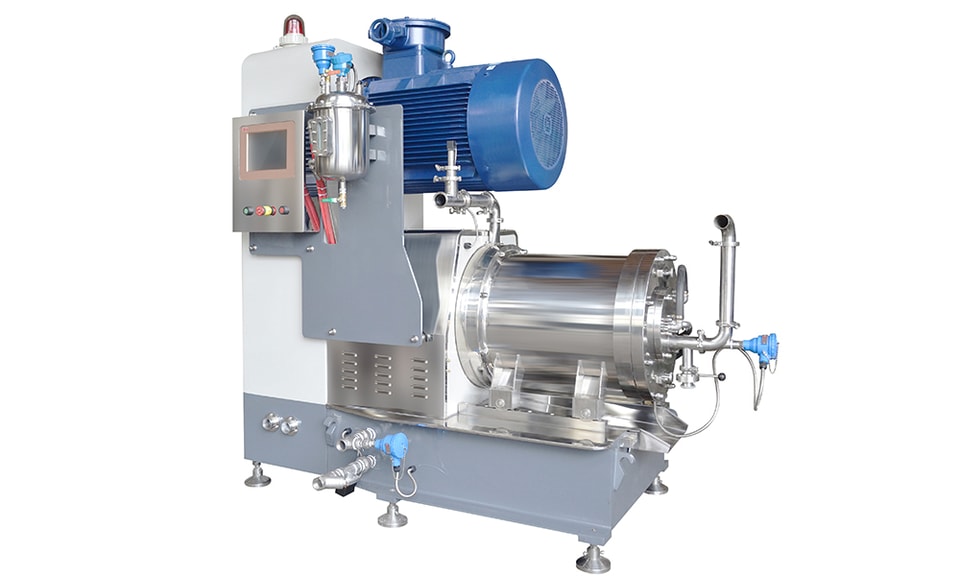 Ceramic industry - sand millThe ceramic industry faces some unique challenges in the grinding process due to its material characteristics and application fields: high hardness and thermal sensitivity .In addition, the ceramic industry is known for its high requirements for material fineness and uniformity .In this area, the application of sanding machines is crucial to ensure the fine grinding of ceramic raw materials, thereby improving the quality and consistency of the finished product. To address these challenges, our sanders are specially designed with wear-resistant materials, precise temperature control systems, and optimized grinding media and processes.Our sanders are designed for the ceramic industry with the following features:1. Special interior design.Special rotor structure design, number and volume, to achieve the maximum specific grinding energy, can improve the grinding efficiency of materials; The mixing rod is a bar type rather than a cylinder type, so that the grinding bead more fully impact the material, so that the contact area between the mixing rod and the grinding bead is larger, so that the fineness is better; The rotor is assembled, convenient maintenance, low cost;Special structure of stirring rod Due to the special design of the stirring rod, it produces the thrust of the feed port during the grinding process, so that the grinding beads are not easy to accumulate in the discharge port, the grinding beads are evenly distributed, and the grinding efficiency is more balanced. There is a hollow rotor outside the filter screen, and there is a centrifugal groove on the rotor, which produces an outward centrifugal force during the rotation process, and large particles are thrown outward without contacting the filter screen, while small materials are discharged through the screen.2. High precision grinding: Advanced grinding technology is used to ensure that ceramic raw materials reach the required fineness and meet the high standards of ceramic products. The material can reach the nanometer level, and the minimum fineness can reach less than 80nm by the third party Marvin laser particle size tester, and the particle is stable. Smaller grinding beads can be added with non-screen equipment: 0.03mm, the bead filling rate can reach 80-85%, the higher the filling rate, the energy density of the grinding equipment will also increase. In the same volume of grinding cavity, the higher the bead filling rate, the better the fineness, and the higher the line speed. Linear velocity is the category that determines the particle size of the grinding material.3. Uniform dispersion: The sand mill can achieve uniform dispersion of the material, avoid agglomeration phenomenon, and ensure the stability of the ceramic slurry.4. Corrosion-resistant material: Considering the chemical properties of ceramic raw materials, our equipment uses corrosion-resistant materials to extend the service life of the equipment.5. Energy saving and high efficiency: optimized grinding process design, reduce energy consumption, improve production efficiency, reduce production costs.
Activated carbon flash dryer
Activated carbon flash dryer
Water treatment agent disc continuous dryer
Centrifugal spray dryer for salty liquid wastewater
Centrifugal spray dryer for salty liquid wastewaterRead More
Ceramic industry - sand millThe ceramic industry faces some unique challenges in the grinding process due to its material characteristics and application fields: high hardness and thermal sensitivity .In addition, the ceramic industry is known for its high requirements for material fineness and uniformity .In this area, the application of sanding machines is crucial to ensure the fine grinding of ceramic raw materials, thereby improving the quality and consistency of the finished product. To address these challenges, our sanders are specially designed with wear-resistant materials, precise temperature control systems, and optimized grinding media and processes.Our sanders are designed for the ceramic industry with the following features:1. Special interior design.Special rotor structure design, number and volume, to achieve the maximum specific grinding energy, can improve the grinding efficiency of materials; The mixing rod is a bar type rather than a cylinder type, so that the grinding bead more fully impact the material, so that the contact area between the mixing rod and the grinding bead is larger, so that the fineness is better; The rotor is assembled, convenient maintenance, low cost;Special structure of stirring rod Due to the special design of the stirring rod, it produces the thrust of the feed port during the grinding process, so that the grinding beads are not easy to accumulate in the discharge port, the grinding beads are evenly distributed, and the grinding efficiency is more balanced. There is a hollow rotor outside the filter screen, and there is a centrifugal groove on the rotor, which produces an outward centrifugal force during the rotation process, and large particles are thrown outward without contacting the filter screen, while small materials are discharged through the screen.2. High precision grinding: Advanced grinding technology is used to ensure that ceramic raw materials reach the required fineness and meet the high standards of ceramic products. The material can reach the nanometer level, and the minimum fineness can reach less than 80nm by the third party Marvin laser particle size tester, and the particle is stable. Smaller grinding beads can be added with non-screen equipment: 0.03mm, the bead filling rate can reach 80-85%, the higher the filling rate, the energy density of the grinding equipment will also increase. In the same volume of grinding cavity, the higher the bead filling rate, the better the fineness, and the higher the line speed. Linear velocity is the category that determines the particle size of the grinding material.3. Uniform dispersion: The sand mill can achieve uniform dispersion of the material, avoid agglomeration phenomenon, and ensure the stability of the ceramic slurry.4. Corrosion-resistant material: Considering the chemical properties of ceramic raw materials, our equipment uses corrosion-resistant materials to extend the service life of the equipment.5. Energy saving and high efficiency: optimized grinding process design, reduce energy consumption, improve production efficiency, reduce production costs.
Activated carbon flash dryer
Activated carbon flash dryer
Water treatment agent disc continuous dryer
Centrifugal spray dryer for salty liquid wastewater
Centrifugal spray dryer for salty liquid wastewaterRead More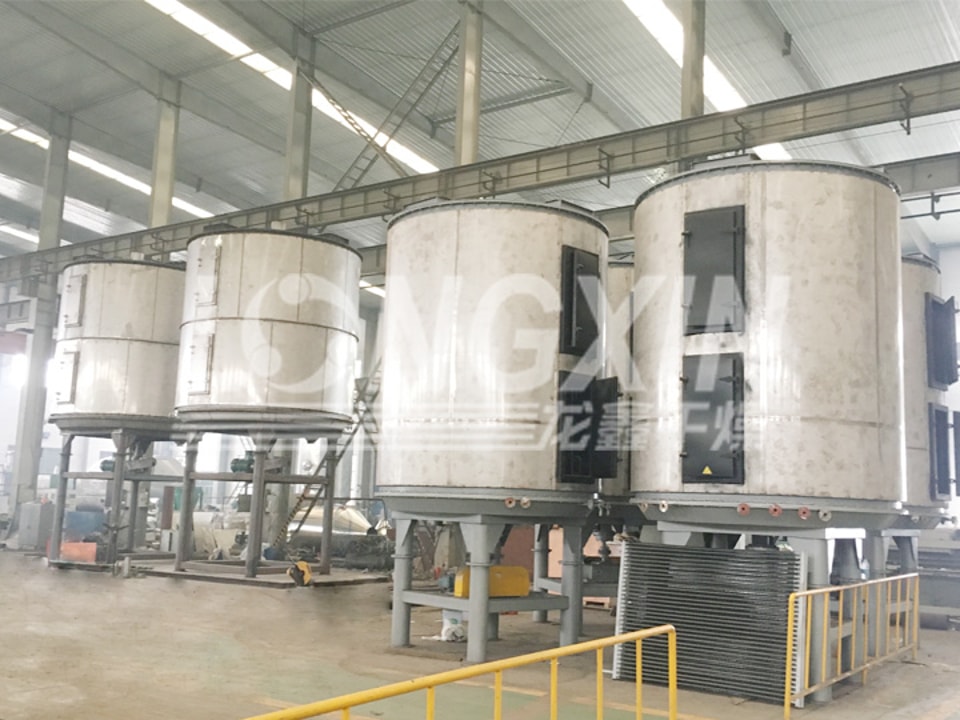 Ammonium chloride pan dryerBrief introduction of the case :The ammonium chloride disc dryer passes the heat carrier into the fixed multi-layer hollow disc, indirectly heating the wet material of ammonium chloride in contact on the metal disc by means of conduction, and under the action of mechanical stirring similar to the plow blade, the water in the moving ammonium chloride is evaporated and vaporized at the boiling point when it is in the operating state, and the moisture leaves the equipment through the moisture discharge port .Thus, a qualified ammonium chloride dry product is obtained at the bottom.Ammonium chloride, abbreviated as ammonium chloride. It refers to the ammonium salt of hydrochloric acid, mostly a by-product of the alkali industry, ammonium chloride, referred to as ammonium chloride. Ammonium salt refers to hydrochloric acid, mostly a by-product of the alkali industry. Ammonium chloride has a high and stable fertilizer effect in rice fields, because C1 can inhibit nitrification in rice fields, and is conducive to the formation of rice stalk fiber, increase toughness, and reduce lodging and infestation of rice diseases and insects.Ammonium chloride preparation process:The hydrogen chloride gas is in contact with the mother liquor - the ammonium chloride mother liquor is saturated with hydrogen chloride - and the ammonia gas is neutralized - the ammonium chloride saturated solution is generated - the cooling crystallizer is cooled to 30 ~ 45 ° C - The supersaturated ammonium chloride crystal is precipitated - the crystal slurry is thickened by the thickening device - the ammonium chloride product is driedAmmonium chloride pan dryer equipment principle:The heat carrier is passed into a fixed multi-layer hollow disk, and the wet material of ammonium chloride in contact on the metal disk is heated indirectly by conduction, and under the action of mechanical agitation similar to the plow blade, the water in the moving ammonium chloride is continuously turned forward and vaporized at the boiling point when it is in the operating state, and the moisture leaves the equipment from the wet outlet, thereby obtaining qualified ammonium chloride dry finished products at the bottom.Ammonium chloride pan dryer workflow:The hydrogen chloride is continuously added to the drying disc of the first layer above the dryer by the feeder, and the rake arm with the rake blade makes the rake blade continuously turn over the hydrogen chloride. The hydrogen chloride flows through the surface of the drying pan along the exponential helix, and the hydrogen chloride on the small drying pan is transferred to the outer edge, and at the outer edge falls to the outer edge of the large drying pan below, and the hydrogen chloride moves inward on the large drying pan and falls into the next layer of small drying pan through the middle blanking port. The size of the drying tray is arranged alternately up and down, so that hydrogen chloride can flow continuously through the entire dryer. The heating medium is fed into the hollow drying disc, and the heating medium has saturated steam, hot water and thermal oil. The heating medium enters from one end of the drying disc and is exported from the other end. The dried hydrogen chloride falls to the bottom of the shell from the drying pan of the latter layer, and is then transferred to the discharge port by the rake leaf. The moisture content escapes from the hydrogen chloride and is discharged by the moisture outlet located on the top cover, and the hydrogen chloride discharged from the bottom layer can be directly packaged.Ammonium chloride pan dryer equipment features:1. Easy regulation and strong applicabilityThe drying process can be achieved by adjusting the thickness of the material layer, the spindle speed, the number of rake arms, the type and size of rake blades.Each layer of drying disc can be separately passed into the hot medium or cold medium, heating or cooling the material, the material temperature control is accurate and easy;The residence time of the material can be precisely adjusted;Single material flow, no back mixing phenomenon, uniform drying, stable quality.2. Easy to operateThe dryer is very simple to start and stop.After the feed is stopped, the transfer dirt rake can quickly empty the material in the dryer.Through the special large view door of the sight mirror, the equipment can be carefully cleaned and observed. 3. Low energy consumptionThe material layer is very thin, the spindle speed is low, and the power required for the material transfer system is small;Conduction heat for drying, high thermal efficiency, low energy consumption;4. Easy installation, small footprintThe dryer is delivered as a whole, transported as a whole, only need to be hoisted into place, and installation and positioning is very easy; Because of the drying tray layer arrangement and vertical installation, even if the drying area is large, the floor area is small;Disc dryer is a multi-layer disc, rotary rake stirring, vertical continuous drying device, belongs to the conduction drying mainly contact dryer. The equipment is continuously improved and developed on the basis of fixed bed conduction dryer and stirring dryer such as rake type, which is suitable for occasions with good heating conditions and materials allowing longer time contact heating. It is suitable for handling very fine powders and granular materials with wide particle size distribution that can flow freely and not bond.Read More
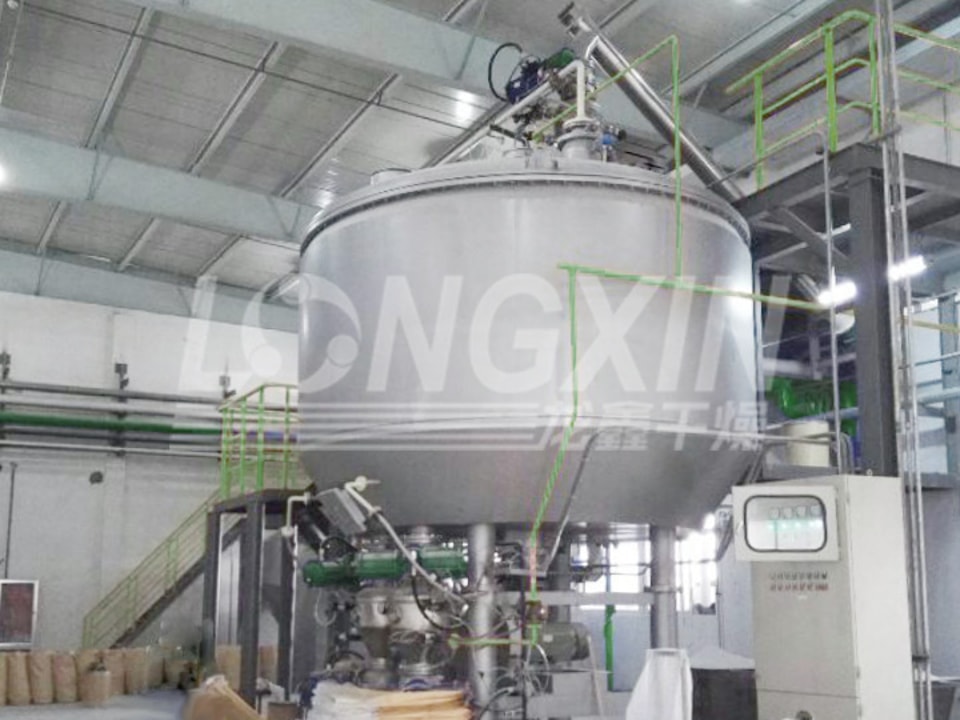 Hydrazine-based tray dryerCase description: In the drying work of hydrazine base, the hydrazine wet material self-feeder is continuously added to the drying disc of the first layer of the drying machine, and the rake arm with the rake blade is rotated to make the rake blade continuously turn over the hydrazine wet material. The hydrazine group flows through the surface of the drying pan along the exponential helix, and the hydrazine group on the small drying pan is transferred to the outer edge, and falls on the outer edge of the large drying pan below, where the material moves inward.Also known as 4-methyl-2-hydrazyl benzothiazole, is an important intermediate of the fungicide tricyclazole, and its melting point is 168℃~169℃. Tricyclazole is a kind of highly effective internal fungicide with high biological activity and unique mechanism of action. It has been proved by experiments in many countries that the preventive effect of the drug reaches 80%-90%, which is an ideal agent for the prevention and control of rice blast. The mechanism of tricyclazole is to inhibit the formation of spores, and to prevent the spread and spore production of disease spots, thus inhibiting re-infection. As domestic and foreign users continue to improve the quality requirements of tricyclazole fungicide, in the industrial production, it is necessary to obtain high quality hydrazine compounds.Hydrazine-based tray continuous dryer is an efficient conductive continuous drying equipment. Its unique structure and working principle determine that it has the characteristics of high thermal efficiency, low energy consumption, small footprint, simple configuration, convenient operation and control, good operating environment and so on.When the hydrazine compound is drying, the hydrazine compound wet material self-feeder is continuously added to the drying disc of the first layer of the dryer, and the rake arm with the rake blade is rotated to make the rake blade continuously turn over the hydrazine compound wet material. The hydrazine compounds flow through the surface of the drying pan along the exponential helix, and the hydrazine compounds on the small drying pan are transferred to the outer edge, and on the outer edge falls to the outer edge of the large drying pan below, where the material moves inward and falls through the middle blanking port into the next layer of small drying pan. The size of the drying tray is arranged alternately up and down, so that the hydrazine group can flow continuously through the entire dryer.The heating medium in the form of saturated steam, hot water, heat conduction oil and high temperature molten salt is passed into the hollow drying tray. The heating medium enters from one end of the drying tray and is exported from the other end. The dried hydrazine group falls to the aggregate tray from the latter drying pan and is then transferred to the discharge port by the rake leaf. The wet content spills from the hydrazine group and is discharged by the wet outlet located on the top cover, and the dry material discharged from the bottom can be directly packaged.Hydrazine-based tray dryer equipment advantages:(1) Easy regulation and control1. By adjusting the thickness of the material layer, the spindle speed, the number of rake arms, the type and size of rake blades, the drying process can be achieved.2. Each layer of drying disc can be separately passed into the cold and hot medium to cool or heat the material, accurately and easily control the temperature of the material.3. Accurately adjust the residence time of the material.4. The material flow is single, no back mixing phenomenon, uniform drying, no need to mix.(2) Easy to operate1. The driving and parking operation of the dryer is very simple.2. After the feed is stopped, the transfer material dirt rake blade can quickly empty the material in the dryer.3. Through the special large-size inspection door mirror, the equipment can be carefully cleaned and observed.(3) Low energy consumption1. The material layer is very thin, the spindle speed is low, the material transfer system requires little power and less power consumption.2. Drying by conduction heat, high thermal efficiency and low energy consumption.(4) Environmental protection1. Atmospheric pressure type: the airflow speed in the equipment is low, and the humidity in the equipment is low, and the dust is difficult to float to the top of the equipment, so the exhaust gas discharged from the top wet outlet almost does not contain dust.2. Closed type: equipped with solvent recovery device, can easily recover the organic solvent in the wet gas. Solvent recovery device is simple, high recovery rate, for flammable, explosive, toxic and easily oxidized materials, the protective gas can be used as a wet gas for closed cycle, so that it is safe to operate. Especially suitable for the drying of flammable, explosive and toxic materials.3. Vacuum type: disk dryer operated under vacuum, especially suitable for drying heat-sensitive materials.(5) Easy installation1. The dryer is delivered as a whole, transported as a whole, just need to be hoisted into place, and installation and positioning is very easy.2. Due to the drying tray layer arrangement, vertical installation, even if the drying area is large, the floor area is small.Hydrazine-based tray dryer equipment features: (A) drying tray ◎ Design pressure: generally 0.4MPa, up to 1.6MPa.◎ Use pressure: generally ≤0.4MPa, up to 1.6MPa.◎ Heating medium: steam, hot water, thermal oil, drying pan temperature 100℃ use hot water heating, 100℃ ~ 150℃ with ≤0.4MPa saturated water steam or superheated steam heating, 150℃ ~ 320℃ with thermal oil heating, > 320℃ can be heated by electricity, thermal oil, molten salt and other ways.(2) Material transfer system ◎ Spindle speed: 1 ~ 10 RPM, electromagnetic or variable frequency stepless speed regulation.◎ Rake arm: There are 2 ~ 8 rake arms fixed on the main shaft on each layer of drying disc.◎ Rake blade: twisted on the rake arm, can float up and down with the disk surface to maintain contact, there are many forms.◎ Rolling: For materials that are easy to caking and need to be crushed, adding rolling in the appropriate position can strengthen the heat transfer and drying process.
(3) The shell has three types of atmospheric pressure, closed and vacuum ◎ Atmospheric pressure type: cylinder or octagonal prism type, there are two kinds of structure: integral and split. Heating medium inlet and outlet main pipe can be in the shell, can also be outside the shell.◎ Closed type: cylindrical shell, can withstand 5Kpa internal pressure, heating medium inlet and outlet main pipe can be in the shell, can also be outside the shell.◎ Vacuum type: cylindrical shell, design pressure is 0.1Mpa, heating medium inlet and outlet main pipe in the shell.
(4) Air heaterIt is generally used in the case of large evaporation to enhance drying efficiency.The continuous disc dryer does not need to be equipped with the cyclone dust collector that must be configured for spray drying, and does not use hot air as the heating medium, so there will be no product loss caused by bad separation of hot air and dust with tail gas entrainment.The new type continuous disc dryer is widely used in chemical industry, medicine, pesticide, food, feed, agricultural and sideline products processing and other drying operations.Read More
Hydrazine-based tray dryerCase description: In the drying work of hydrazine base, the hydrazine wet material self-feeder is continuously added to the drying disc of the first layer of the drying machine, and the rake arm with the rake blade is rotated to make the rake blade continuously turn over the hydrazine wet material. The hydrazine group flows through the surface of the drying pan along the exponential helix, and the hydrazine group on the small drying pan is transferred to the outer edge, and falls on the outer edge of the large drying pan below, where the material moves inward.Also known as 4-methyl-2-hydrazyl benzothiazole, is an important intermediate of the fungicide tricyclazole, and its melting point is 168℃~169℃. Tricyclazole is a kind of highly effective internal fungicide with high biological activity and unique mechanism of action. It has been proved by experiments in many countries that the preventive effect of the drug reaches 80%-90%, which is an ideal agent for the prevention and control of rice blast. The mechanism of tricyclazole is to inhibit the formation of spores, and to prevent the spread and spore production of disease spots, thus inhibiting re-infection. As domestic and foreign users continue to improve the quality requirements of tricyclazole fungicide, in the industrial production, it is necessary to obtain high quality hydrazine compounds.Hydrazine-based tray continuous dryer is an efficient conductive continuous drying equipment. Its unique structure and working principle determine that it has the characteristics of high thermal efficiency, low energy consumption, small footprint, simple configuration, convenient operation and control, good operating environment and so on.When the hydrazine compound is drying, the hydrazine compound wet material self-feeder is continuously added to the drying disc of the first layer of the dryer, and the rake arm with the rake blade is rotated to make the rake blade continuously turn over the hydrazine compound wet material. The hydrazine compounds flow through the surface of the drying pan along the exponential helix, and the hydrazine compounds on the small drying pan are transferred to the outer edge, and on the outer edge falls to the outer edge of the large drying pan below, where the material moves inward and falls through the middle blanking port into the next layer of small drying pan. The size of the drying tray is arranged alternately up and down, so that the hydrazine group can flow continuously through the entire dryer.The heating medium in the form of saturated steam, hot water, heat conduction oil and high temperature molten salt is passed into the hollow drying tray. The heating medium enters from one end of the drying tray and is exported from the other end. The dried hydrazine group falls to the aggregate tray from the latter drying pan and is then transferred to the discharge port by the rake leaf. The wet content spills from the hydrazine group and is discharged by the wet outlet located on the top cover, and the dry material discharged from the bottom can be directly packaged.Hydrazine-based tray dryer equipment advantages:(1) Easy regulation and control1. By adjusting the thickness of the material layer, the spindle speed, the number of rake arms, the type and size of rake blades, the drying process can be achieved.2. Each layer of drying disc can be separately passed into the cold and hot medium to cool or heat the material, accurately and easily control the temperature of the material.3. Accurately adjust the residence time of the material.4. The material flow is single, no back mixing phenomenon, uniform drying, no need to mix.(2) Easy to operate1. The driving and parking operation of the dryer is very simple.2. After the feed is stopped, the transfer material dirt rake blade can quickly empty the material in the dryer.3. Through the special large-size inspection door mirror, the equipment can be carefully cleaned and observed.(3) Low energy consumption1. The material layer is very thin, the spindle speed is low, the material transfer system requires little power and less power consumption.2. Drying by conduction heat, high thermal efficiency and low energy consumption.(4) Environmental protection1. Atmospheric pressure type: the airflow speed in the equipment is low, and the humidity in the equipment is low, and the dust is difficult to float to the top of the equipment, so the exhaust gas discharged from the top wet outlet almost does not contain dust.2. Closed type: equipped with solvent recovery device, can easily recover the organic solvent in the wet gas. Solvent recovery device is simple, high recovery rate, for flammable, explosive, toxic and easily oxidized materials, the protective gas can be used as a wet gas for closed cycle, so that it is safe to operate. Especially suitable for the drying of flammable, explosive and toxic materials.3. Vacuum type: disk dryer operated under vacuum, especially suitable for drying heat-sensitive materials.(5) Easy installation1. The dryer is delivered as a whole, transported as a whole, just need to be hoisted into place, and installation and positioning is very easy.2. Due to the drying tray layer arrangement, vertical installation, even if the drying area is large, the floor area is small.Hydrazine-based tray dryer equipment features: (A) drying tray ◎ Design pressure: generally 0.4MPa, up to 1.6MPa.◎ Use pressure: generally ≤0.4MPa, up to 1.6MPa.◎ Heating medium: steam, hot water, thermal oil, drying pan temperature 100℃ use hot water heating, 100℃ ~ 150℃ with ≤0.4MPa saturated water steam or superheated steam heating, 150℃ ~ 320℃ with thermal oil heating, > 320℃ can be heated by electricity, thermal oil, molten salt and other ways.(2) Material transfer system ◎ Spindle speed: 1 ~ 10 RPM, electromagnetic or variable frequency stepless speed regulation.◎ Rake arm: There are 2 ~ 8 rake arms fixed on the main shaft on each layer of drying disc.◎ Rake blade: twisted on the rake arm, can float up and down with the disk surface to maintain contact, there are many forms.◎ Rolling: For materials that are easy to caking and need to be crushed, adding rolling in the appropriate position can strengthen the heat transfer and drying process.
(3) The shell has three types of atmospheric pressure, closed and vacuum ◎ Atmospheric pressure type: cylinder or octagonal prism type, there are two kinds of structure: integral and split. Heating medium inlet and outlet main pipe can be in the shell, can also be outside the shell.◎ Closed type: cylindrical shell, can withstand 5Kpa internal pressure, heating medium inlet and outlet main pipe can be in the shell, can also be outside the shell.◎ Vacuum type: cylindrical shell, design pressure is 0.1Mpa, heating medium inlet and outlet main pipe in the shell.
(4) Air heaterIt is generally used in the case of large evaporation to enhance drying efficiency.The continuous disc dryer does not need to be equipped with the cyclone dust collector that must be configured for spray drying, and does not use hot air as the heating medium, so there will be no product loss caused by bad separation of hot air and dust with tail gas entrainment.The new type continuous disc dryer is widely used in chemical industry, medicine, pesticide, food, feed, agricultural and sideline products processing and other drying operations.Read MoreContact US
×Support order samples, customization, wholesale direct, and complete payment. If the product you look for does not have corresponding customized content, pls fill out the form below to contact us, and we will reply ASAP.

- Hengshanqiao Town, Changzhou, Jiangsu Province-213119, China
- No. 2600, Zhencheng Road, Jiangyin City, Jiangsu Province, 214441, China
- 503a, 5th Floor, No.2582 Gudai Road, Minhang District, Shanghai, 201101
- techservice@longxinglobal.com.cn
 13611616575
- +86 13611616575
 +86 13611616575