EN
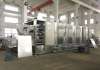
XSG Spin Flash Dryer


XSG Spin Flash Dryer

description1
Zipper closure
1/5 zip athletic pullovers for men. Stretchy, lightweight, fast-drying
fabric for superior performance.
REGULAR FIT - US standard sizes. An athletic fit that sits close to the
body
for a wide range of motion, designed for optimal performance and all day
comfort.
FEATURES - Quarter zip closure;Thumbholes on long sleeves to keep them
in
place during workout
Product Details
Overview of XSG Rotary Flash Dryer
The rotary flash dryer is an innovative continuous drying equipment integrating drying, crushing and screening functions. It is specially designed for filter cake, paste and slurry materials, ideal for materials requiring rapid drying treatment.
Wet materials stay inside the drying tower for merely dozens of seconds with instant moisture evaporation. Final product quality is closely affected by drying temperature, wind speed, air volume and crushing speed.
With proprietary innovative design, the machine adjusts tangential inlet wind speed, air flow and crushing speed to control finished particle size and final moisture content.

Working Principle of XSG Rotary Flash Dryer
Hot air enters the dryer bottom tangentially and forms a powerful rotating airflow field driven by the agitator. Materials are fed into the dryer via a screw feeder. Under intense impact, friction and shear force generated by high-speed rotating paddles, bulk materials are crushed and dispersed thoroughly, making full contact with hot air for heating and drying.
Low-moisture fine particles rise with swirling airflow and flow into the separator for gas-solid separation. Finished products are collected and packaged, while exhaust gas is discharged after dust removal treatment.
-
Material Feeding Undried materials including wet granules, powder and pastes are delivered into the dryer through the feeding port.
-
Crushing and Dispersion High-speed rotating crushing components such as propellers, blades and hammers break materials into fine particles, expanding specific surface area and accelerating drying efficiency.
-
Hot Air Drying Hot air is injected into the drying chamber with adjustable temperature based on material properties and finished product standards. Moisture and solvent are rapidly evaporated through sufficient contact between hot air and crushed materials.
-
Classification and Collection Dried materials are carried to classifying equipment, generally cyclone separators. Qualified fine powder is separated and discharged. Oversized unqualified particles return to the drying zone for reprocessing until meeting requirements.
-
Waste Gas Treatment Exhaust gas containing vapor and volatile substances passes through dust removal facilities like bag filters to eliminate solid particles before atmospheric discharge.
-
Control System It regulates drying temperature, air volume and other parameters to maintain stable operation and consistent product quality.

Features of XSG Rotary Flash Dryer
Boasting high-efficiency and rapid drying performance, the dryer excels in scenarios requiring fast dehydration.- High efficiency & fast processing Drying finishes within an extremely short period, ideal for mass production.
- Wide material adaptability Suitable for heat-sensitive, agglomeration-prone and various types of materials.
- Flexible operation Hot air temperature, air volume and crushing speed are adjustable to match diverse drying demands.
- Easy maintenance Simple structure facilitates routine inspection and servicing.
Application Scope
- Organic substances Atrazine, cadmium laurate, benzoic acid, fungicide, sodium oxalate, cellulose acetate, organic pigments, etc.
- Dyestuffs Anthraquinone, black iron oxide, indigo pigment, butyric acid, titanium hydroxide, zinc sulfide, various azo dye intermediates.
- Inorganic substances Borax, calcium carbonate, hydroxide, copper sulfate, iron oxide, barium carbonate, antimony trioxide, metal hydroxides, heavy metal salts, synthetic cryolite, etc.
- Food industry Soy protein, gelatinized starch, distillers' grains, wheat sugar, wheat starch, etc.
Technical Improvements
Rotary flash dryer is one of our core products. Our equipment has been widely used nationwide across pigment, dyestuff, petroleum, building material, food, feed, pesticide and related intermediate industries. We have successfully solved numerous tough problems regarding feeding, drying and separation via scientific analysis and repeated tests. Customized drying solutions are available for materials of varied properties to meet customer requirements.- Multiple feeding devices optional for steady continuous feeding without bridging.
- Special cooling structure installed at the dryer bottom to prevent material deterioration under high temperature.
- Exclusive pneumatic sealing and bearing cooling design extends service life of transmission components.
- Optimized air distribution unit reduces operational resistance and balances internal airflow velocity.
- Classifying ring and swirling blades equipped to regulate finished fineness and residual moisture content.
- High circumferential air speed and short material residence time avoid wall adhesion and deterioration of heat-sensitive materials.
Process Flow Chart 1 of XSG Rotary Flash Dryer — Bag Dust Collector Process Flow Chart 2 of XSG Rotary Flash Dryer — Cyclone + Bag + Water Film Dust Collector
Related Products


.jpg?x-oss-process=image/resize,w_100/quality,q_100)
.jpg?x-oss-process=image/resize,w_100/quality,q_100)



CONTACT US
Contact US
Product Information
Quantity
Unit
Piece
Support order samples, customization, wholesale direct, and complete payment. If the product you look for does not have corresponding customized content, pls fill out the form below to contact us, and we will reply ASAP.