
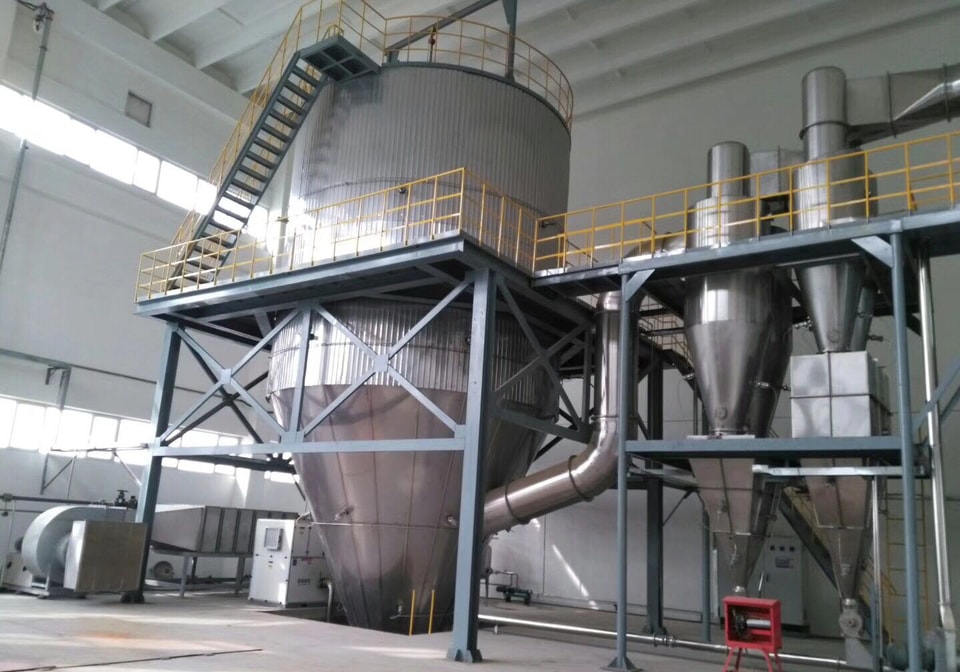
LPG Rotary Atomizer Spray Dryer
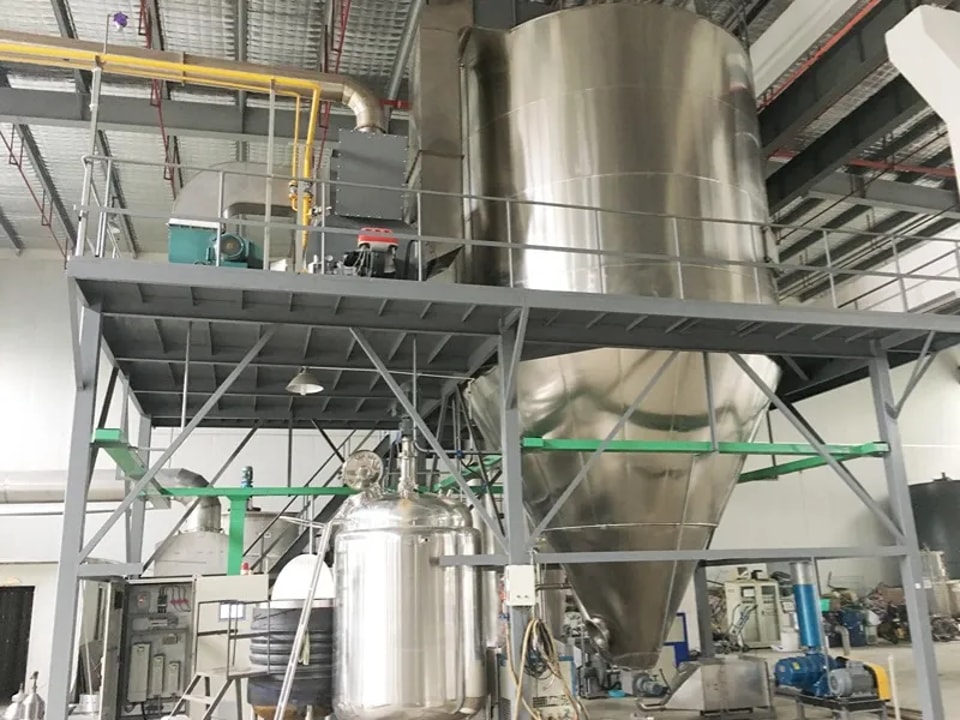
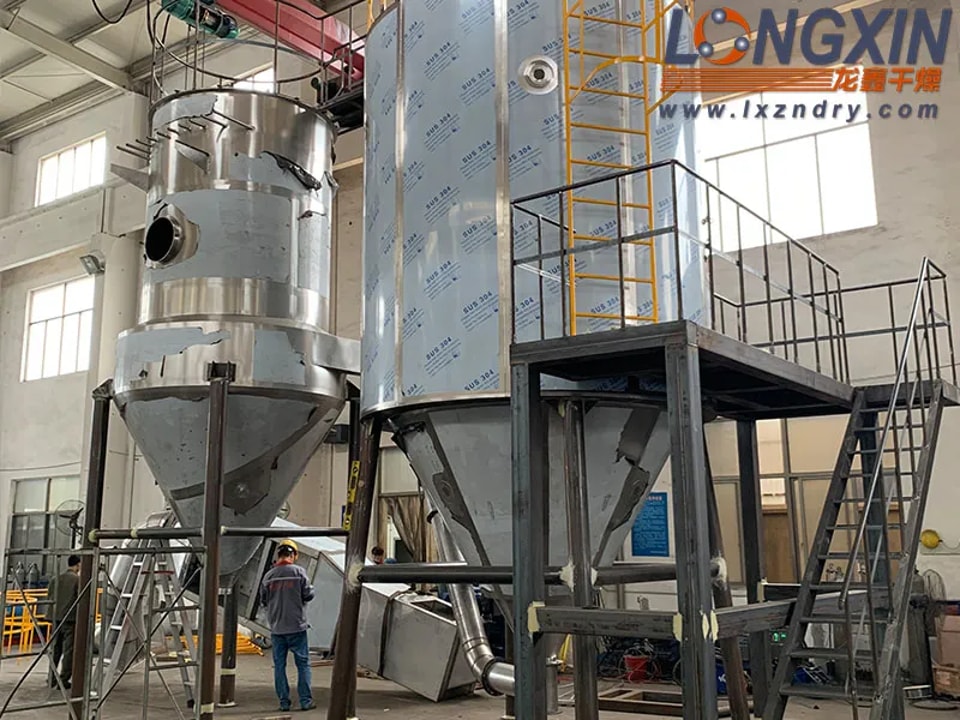
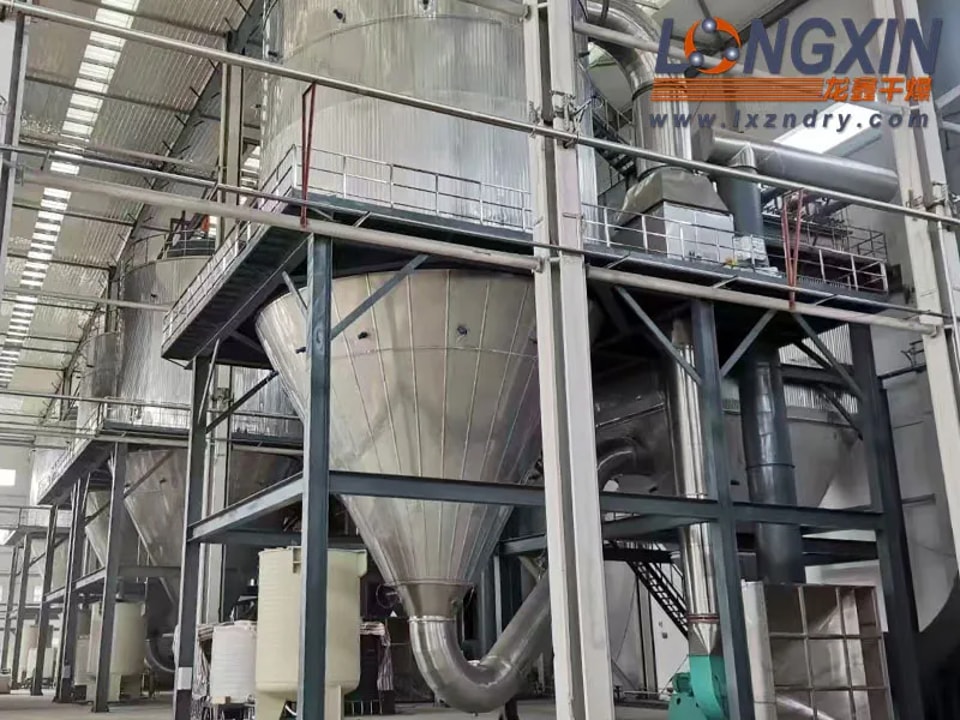
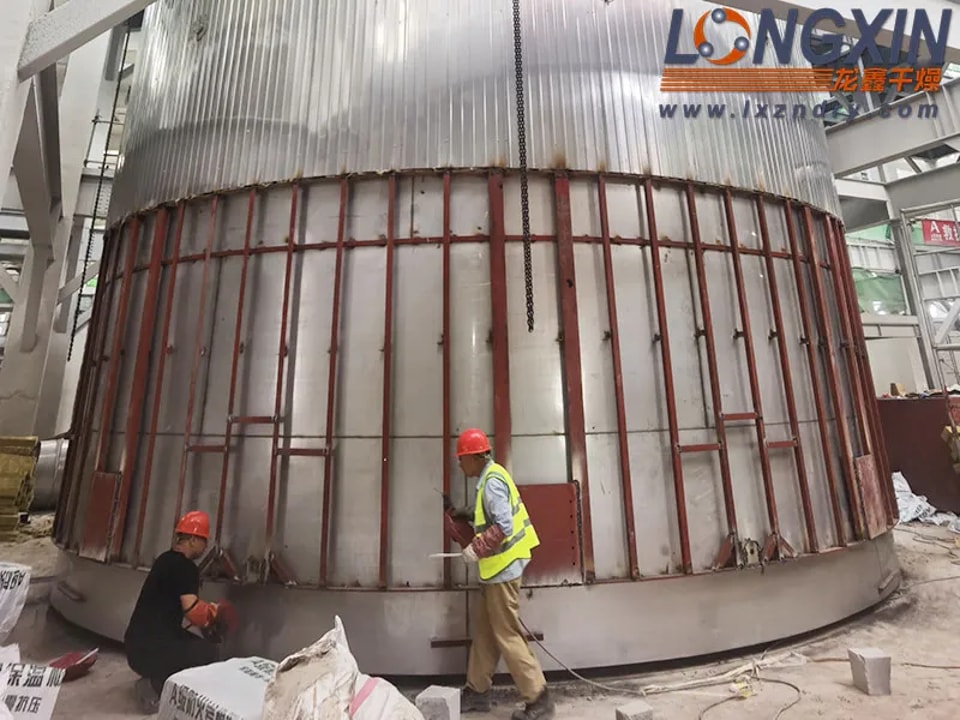
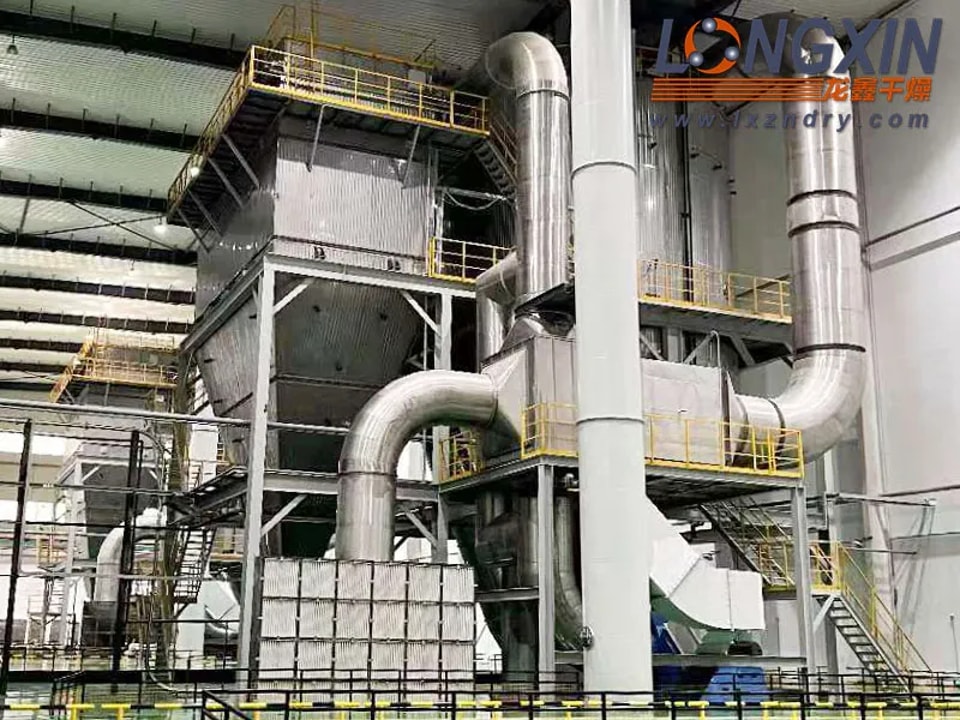
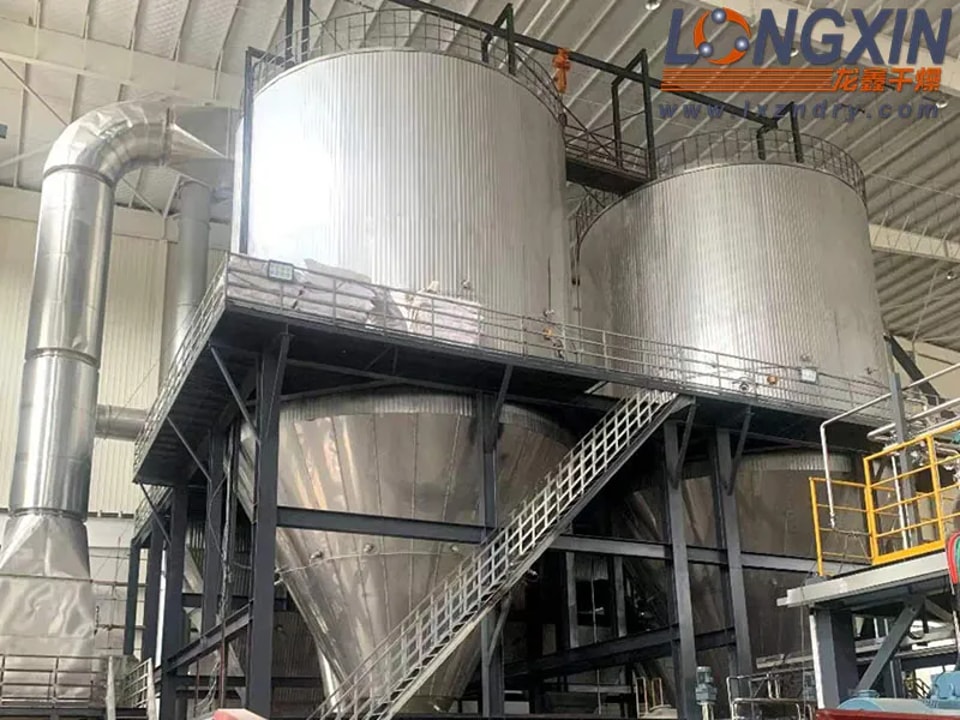
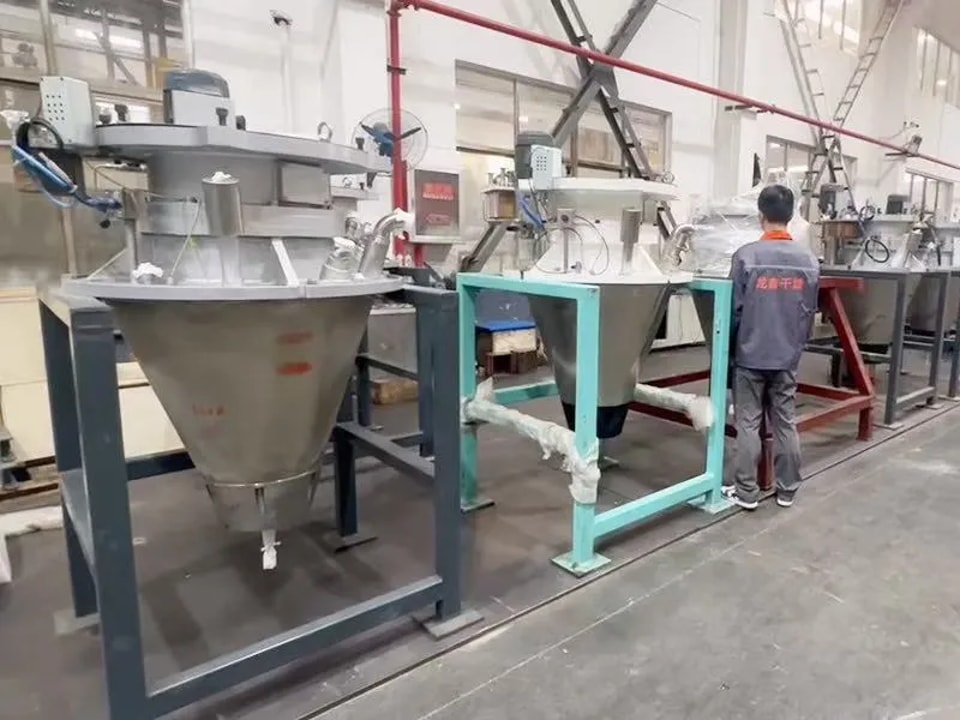
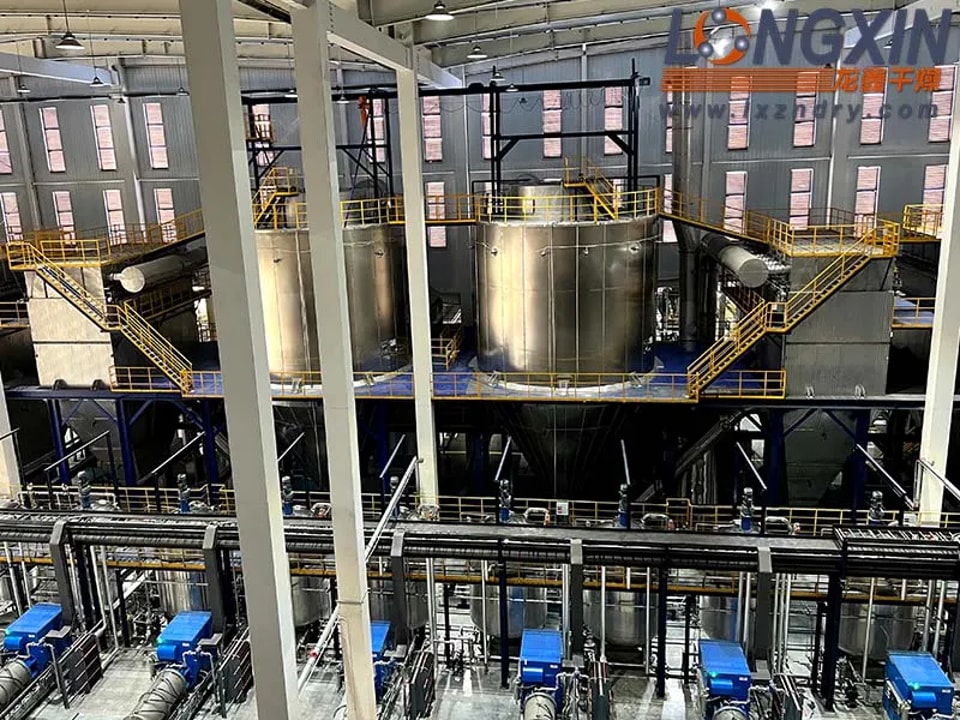
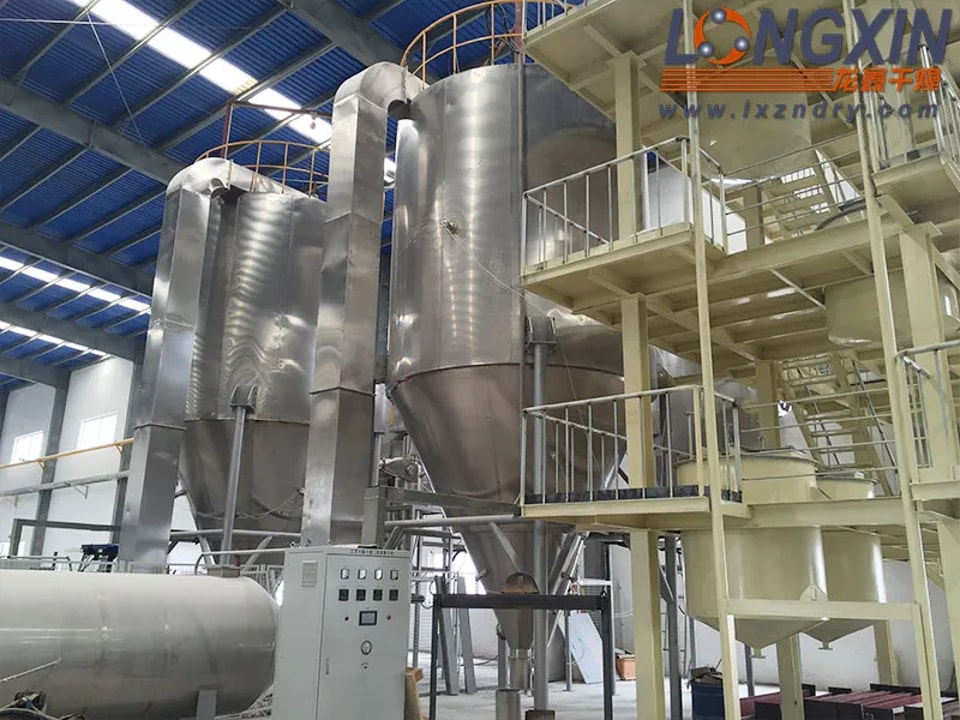
LPG Rotary Atomizer Spray Dryer
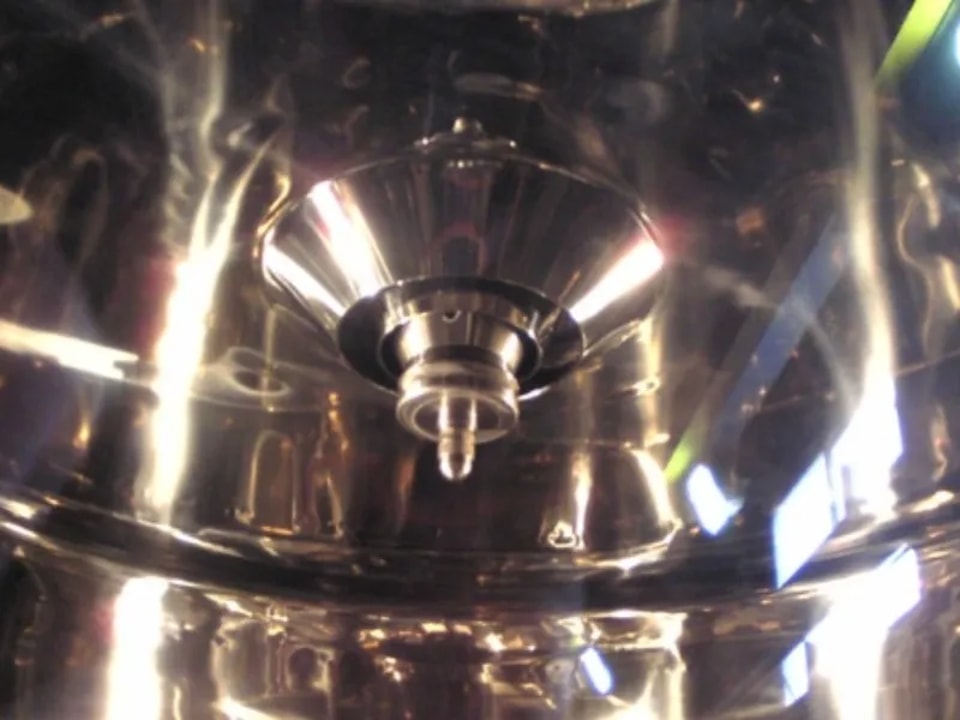
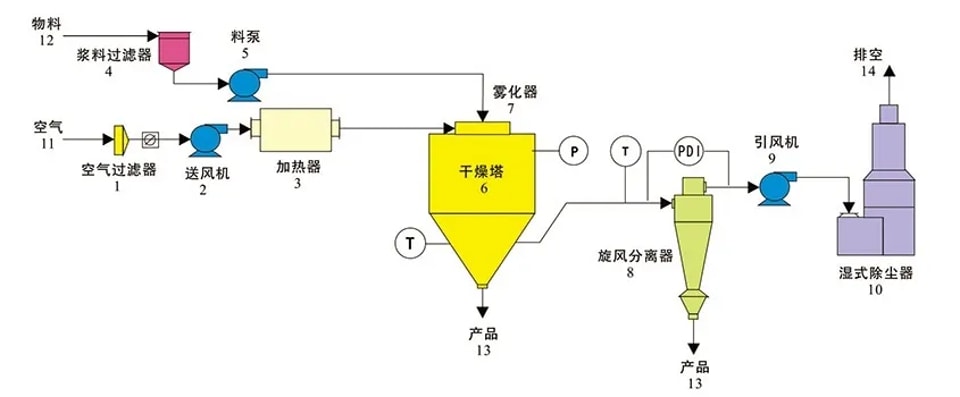
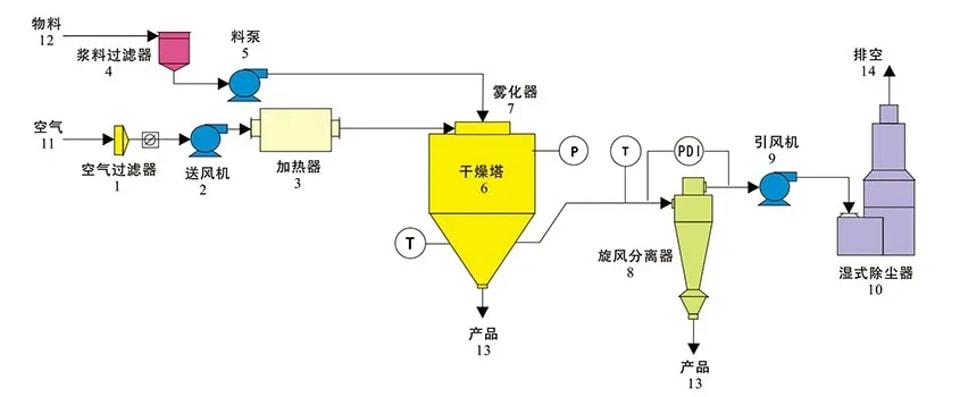
Working Principle of Centrifugal Spray Dryer
Features of Centrifugal Spray Dryer
- Fast drying speed. Atomization greatly expands material surface area. Around 95% to 98% moisture evaporates instantly upon contact with hot air within several seconds, making it ideal for heat-sensitive materials.
- Drying takes place in hot air, so finished products maintain spherical shape similar to original droplets with excellent dispersibility, fluidity and solubility. The machine runs steadily with easy parameter adjustment and automatic operation access.
- Simplified production process and convenient operation. Liquid materials with moisture content from 40% to 60%, up to 90% for special materials, can be dried into powder and granules in one pass. No crushing or screening is required afterwards, cutting working procedures and improving product purity. It creates clean working conditions and effectively prevents dust dispersion.
- Product particle size, bulk density and moisture content can be adjusted within a certain range by modifying operating parameters for simple control and management.
- It processes diverse raw materials such as solutions, slurry, emulsions, suspensions, pastes, melts and filter cakes.
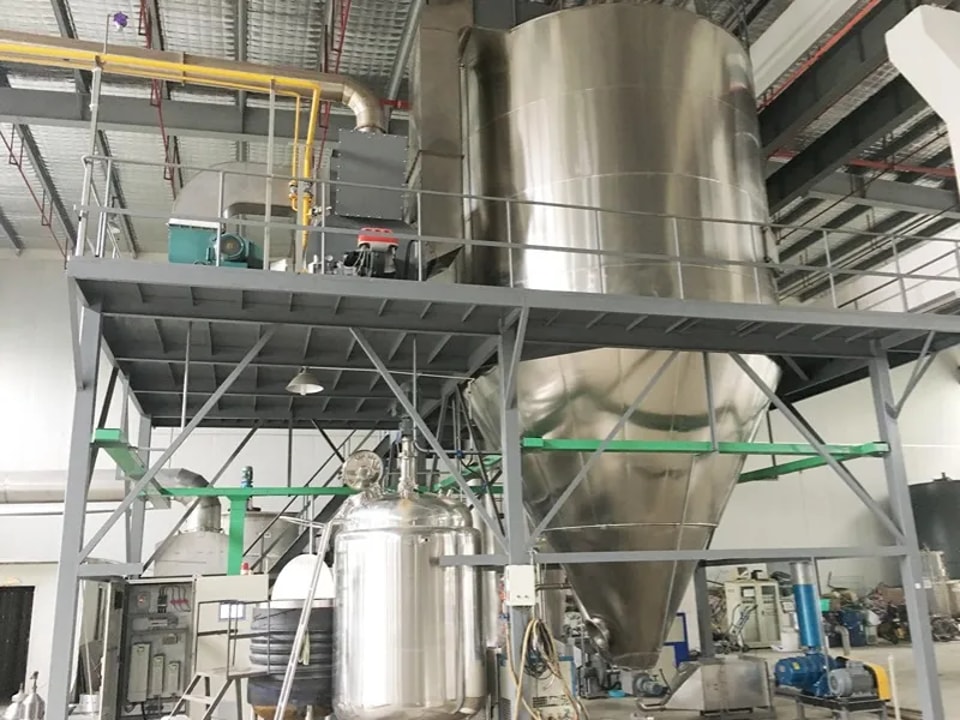 Application Scope of Centrifugal Spray Dryer
- Chemical Products Polyaluminium chloride, disperse dye, reactive dye, organic catalyst, white carbon black, laundry detergent, zinc sulfate, silicon dioxide, sodium metasilicate, potassium fluoride, calcium carbonate, potassium sulfate, inorganic catalyst, various waste liquids
- Food Industry Whole milk powder, casein, cocoa milk powder, milk substitute powder, egg white & yolk powder; Oatmeal, chicken essence, instant tea, condiment, meat extract, protein, soybean protein, peanut protein, protein hydrolysate; Corn steep liquor, corn starch, glucose, pectin, maltose, potassium sorbate, pumpkin powder
- Pharmaceuticals Chinese herbal extract, medicinal glue, yeast, vitamin, antibiotic, amylase, lipase
- Plastic Resins AB latex, ABS latex, urea-formaldehyde resin, phenolic resin, melamine formaldehyde resin, polyethylene, polyvinyl chloride
- Detergents High-grade laundry powder, ordinary washing powder, soap powder, soda powder, emulsifier, whitening agent, phosphate agent
- Ceramics Alumina, zirconia, magnesium oxide, titanium oxide, magnesium titanate, kaolin, various ferrites and metal oxides
Technical Parameters of Centrifugal Spray Dryer
| Model / Parameter | LPG-5 | LPG-25 | LPG-50 | LPG-100 | LPG-150 | LPG-200 | LPG-500 | LPG-800 | LPG-1000 | LPG-2000 | LPG-3000 | LPG-4500 | LPG-6500 |
|---|---|---|---|---|---|---|---|---|---|---|---|---|---|
| Inlet Temperature (°C) | 140-350 (automatic control) | ||||||||||||
| Outlet Temperature (°C) | 80-90 | ||||||||||||
| Atomization Type | High-speed centrifugal atomizer (mechanical drive or infinitely variable frequency speed control optional) | ||||||||||||
| Water Evaporation (kg/h) | 5 | 25 | 50 | 100 | 150 | 200 | 500 | 800 | 1000 | 2000 | 3000 | 4500 | 6500 |
| Atomizer Speed (rpm) | 25000 | 18000 | 18000 | 18000 | 18000 | 15000-18000 | 13000-18000 | ||||||
| Atomizer Disc Diameter (mm) | 60 | 120 | 150 | 180-210 | Determined according to process requirements | ||||||||
| Max. Electric Heating Power (kW) | 8 | 31.5 | 120 | 81 | 99 | - | |||||||
| Powder Recovery Rate (%) | ≥95 | ||||||||||||
| Occupied Length (m) | 1.6 | 4 | 4.5 | 5.2 | 7 | 7.5 | 12.5 | 13.5 | 14.5 | - | |||
| Occupied Width (m) | 1.1 | 2.7 | 2.8 | 3.5 | 5.5 | 6 | 8 | 12 | 14 | Determined according to process flow, plant conditions and user requirements | |||
| Tower Body Height (m) | 1.75 | 4.5 | 5.5 | 6.7 | 7.2 | 8 | 10 | 11 | 15 | ||||
| Nozzle Hoisting Height (m) | -- | 2.5 | 2.5 | 3.2 | 3.2 | 3.2 | 3.2 | 3.2 | 3.2 | ||||
Note: The water evaporation capacity is related to material properties, hot air inlet temperature and outlet temperature. When the outlet temperature is 90℃, the water evaporation curve is shown in the figure above (for model selection reference only). Parameters are subject to change without prior notice due to continuous product updates.
Order Instructions for Centrifugal Spray Dryer
- Name and physical properties of liquid material: solid content (or moisture content), viscosity, surface tension, pH value, etc.
- Product characteristics: bulk density of dried powder, allowable residual moisture content, particle size range, maximum tolerable temperature.
- Special requirements (if any): specific gravity range, color, fragrance and others.
- Production capacity and daily working hours.
- Available energy sources: steam pressure, electricity, coal, fuel oil, natural gas, liquefied gas and other combustibles.
- Control requirements: control modes of inlet & outlet air temperature, feeding system and air hammer, as well as overall system control scheme.
- Material collection requirements: select cyclone separator, bag filter, wet dust collector and other devices according to product features and site conditions.
- Other special demands: workshop space, height limit, special power supply specifications, etc.
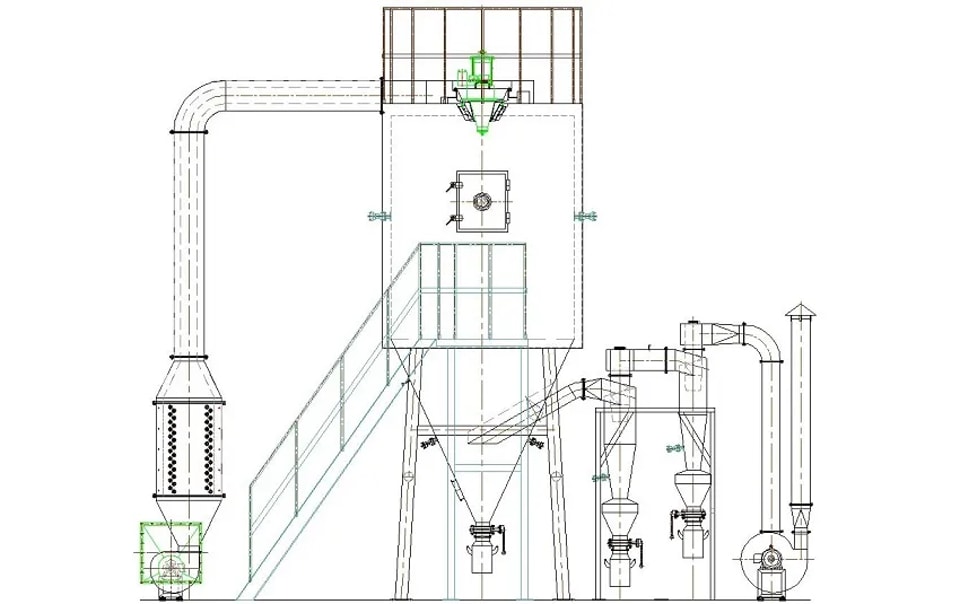
Process Flow Chart 1 - Standard Type
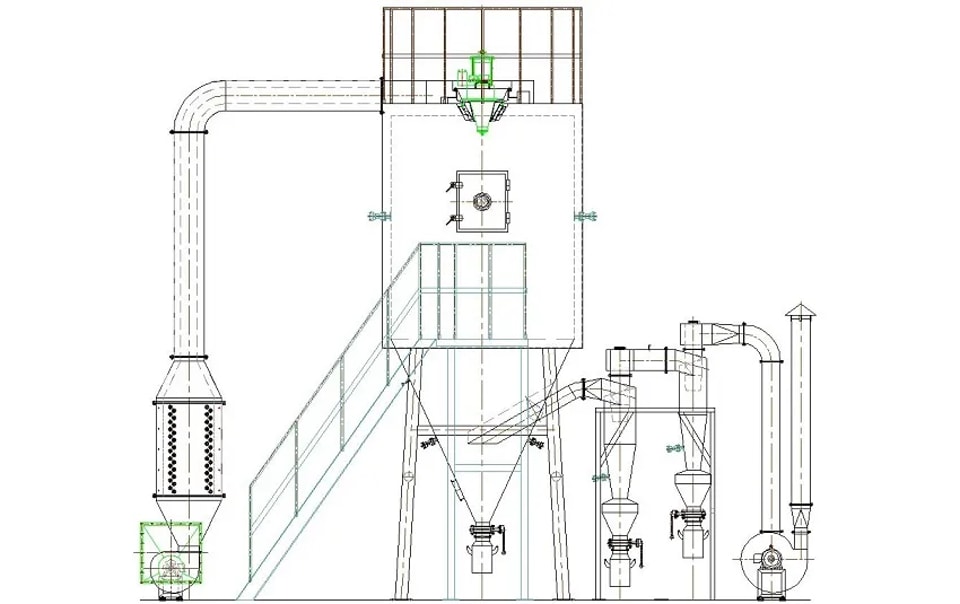
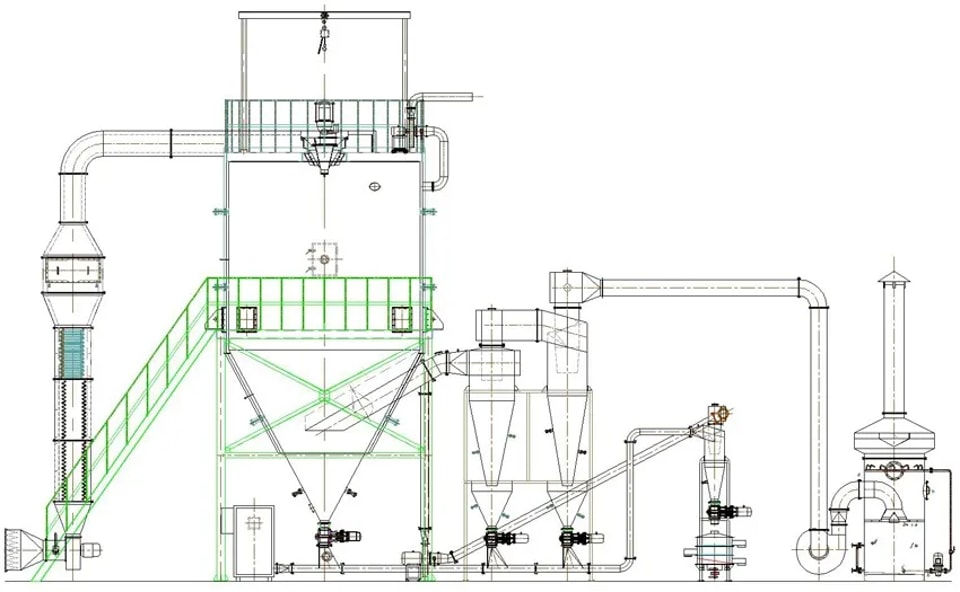
Process Flow Chart 2 - Cooling Conveying & Centralized Collecting
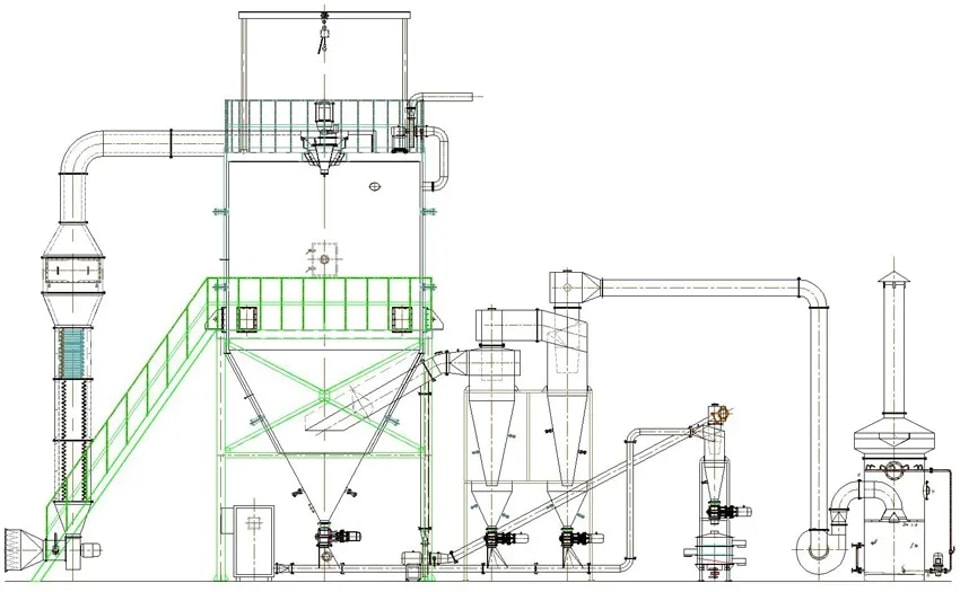
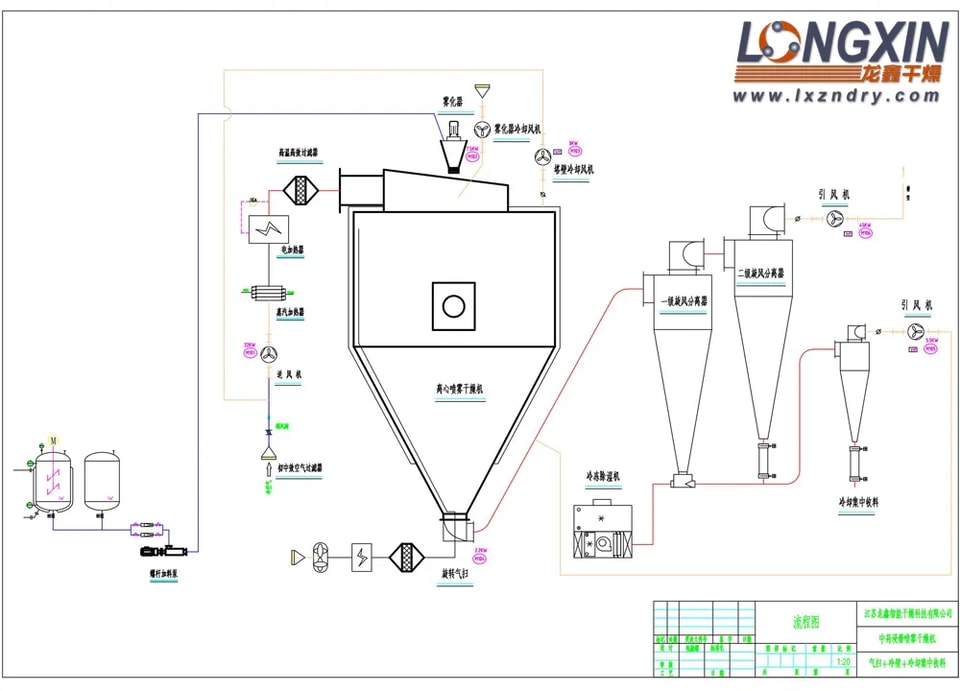
Process Flow Chart 3 - Cold Wall & Air Sweeping & Cooling Conveying & Centralized Collecting
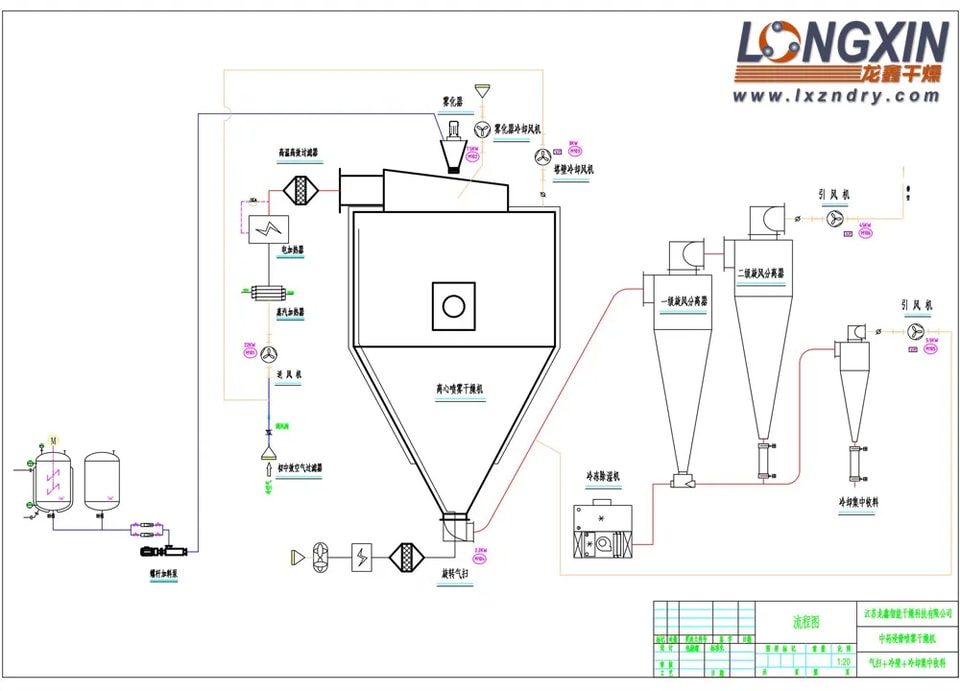
.jpg)
CONTACT US
Contact US
×Support order samples, customization, wholesale direct, and complete payment. If the product you look for does not have corresponding customized content, pls fill out the form below to contact us, and we will reply ASAP.

- Hengshanqiao Town, Changzhou, Jiangsu Province-213119, China
- No. 2600, Zhencheng Road, Jiangyin City, Jiangsu Province, 214441, China
- 503a, 5th Floor, No.2582 Gudai Road, Minhang District, Shanghai, 201101
- techservice@longxinglobal.com.cn
 13611616575
- +86 13611616575
 +86 13611616575